
Category
Engineering
Software engineering and architecture — application modernization, microservices, platform engineering, and the practices behind shipping reliable systems.
-

Hire Kotlin developers in 2026: the API 36 floor is now live
Google Play's API 36 submission floor took effect on 31 August 2026. Twelve days on, Google's own pages still describe the extension to 1 November 2026 in future tense. How to hire against it.
 Manu Shukla
 -
AWS Lambda resource policies now need 3 IAM permissions, and the docs disagree on RevisionId
Lambda full IAM resource-based policies shipped on 25 August 2026 at no extra charge. The launch adds three APIs on a new 2026-07-09 path, keeps the old 20 KB ceiling, and leaves two AWS pages in conflict.
Manu Shukla -
Sentence Transformers 6.0 shipped ColBERT retrieval on 18 August 2026 and a 42x index
Sentence Transformers 6.0 published 18 August 2026 adds ColBERT-style late interaction. The gain is about one NDCG point on NanoBEIR. The cost is 311.5 MB where a dense index used 7.5 MB.
Manu Shukla -
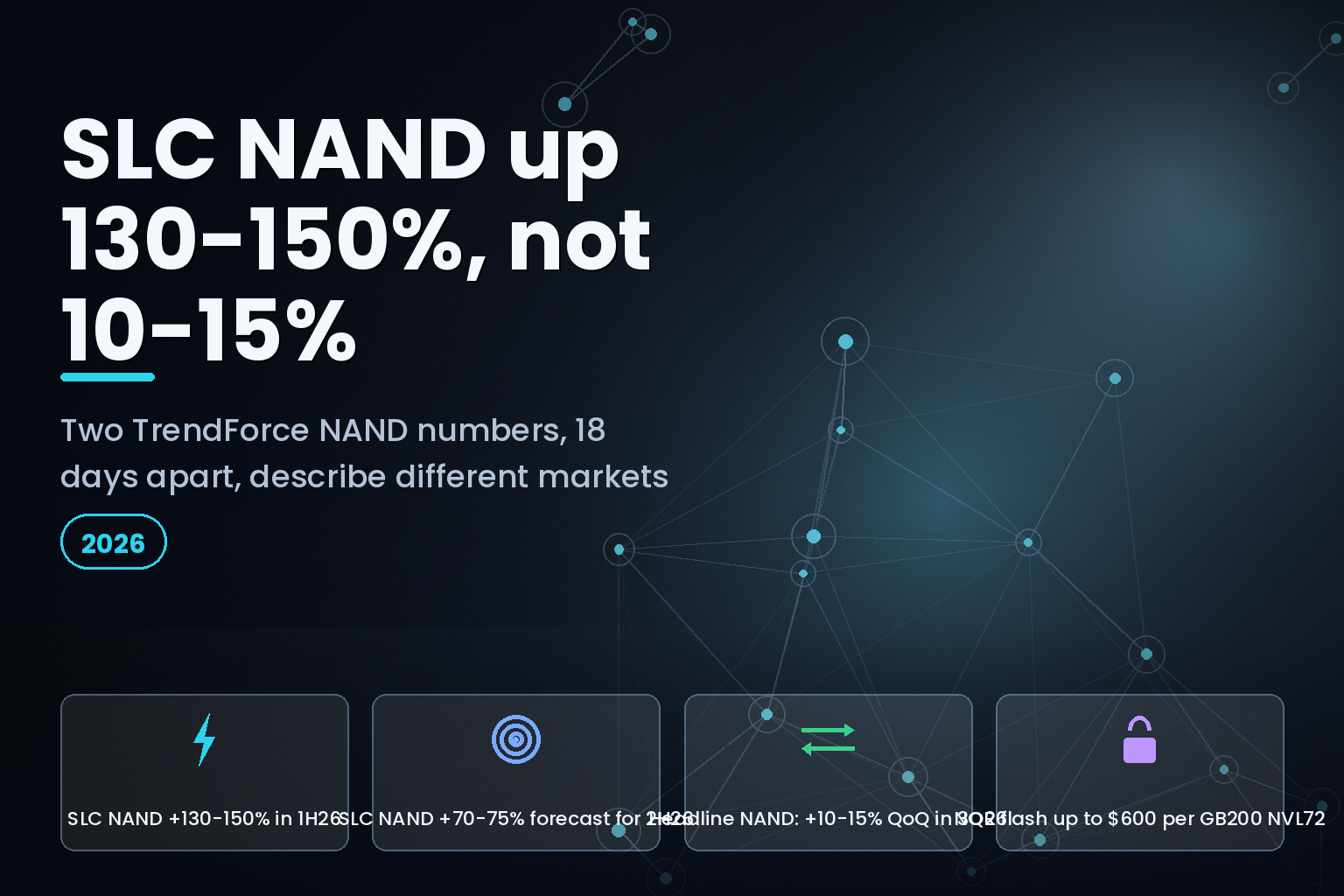
SLC NAND rose 130-150% in 1H26 and TrendForce's headline NAND number still said 10-15%
TrendForce published two NAND numbers 18 days apart in 2026: 10-15% QoQ for 3Q26, and 70-75% for SLC NAND across 2H26. Budget an industrial BOM off the first and you are wrong by five times.
Manu Shukla -
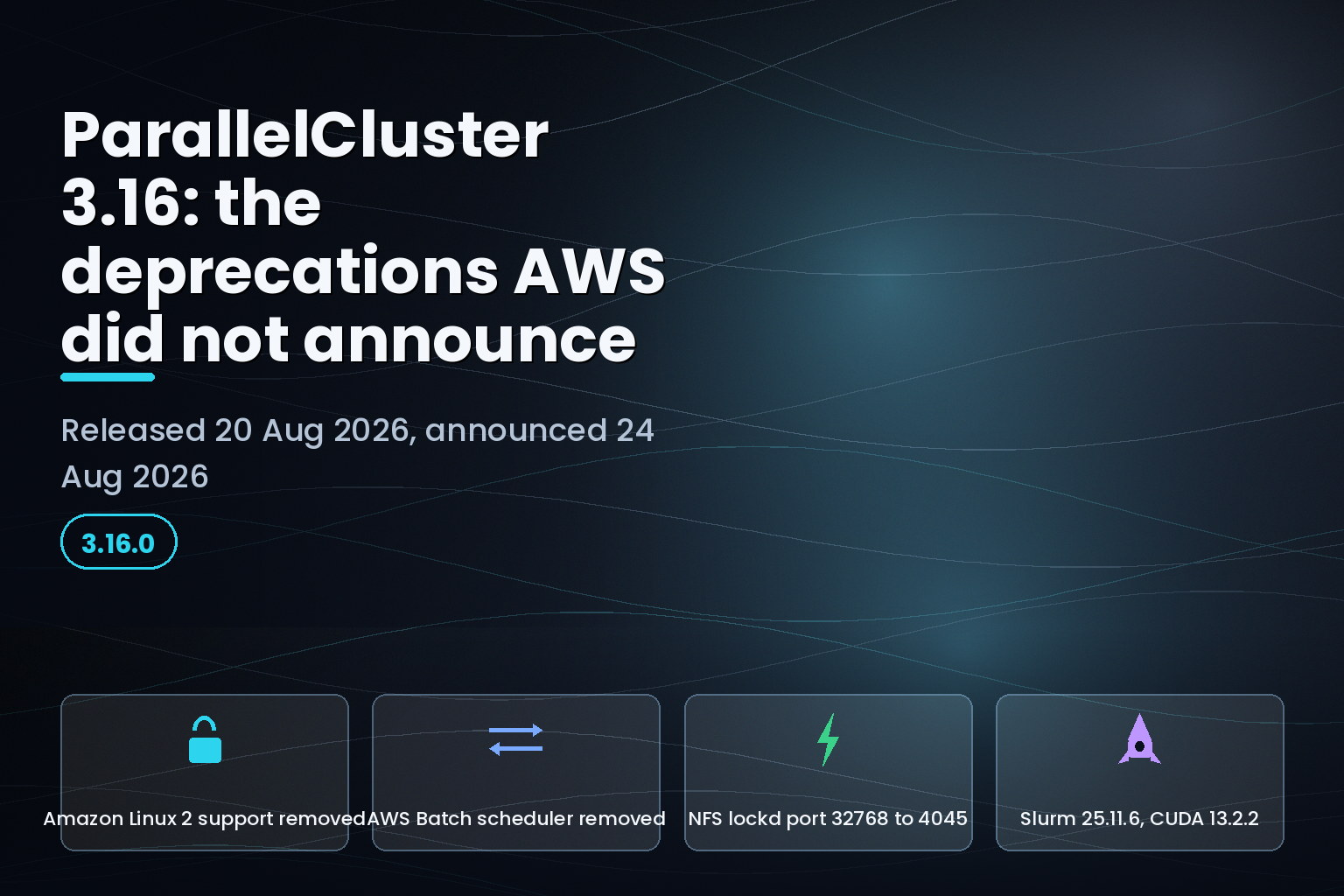
ParallelCluster 3.16 drops Amazon Linux 2 and AWS Batch, 20 Aug 2026
AWS ParallelCluster 3.16.0 shipped on 20 August 2026 and was announced on 24 August as an on-node diagnostics tool. Two deprecations and an NFS port change in the same release will stop clusters.
Manu Shukla -
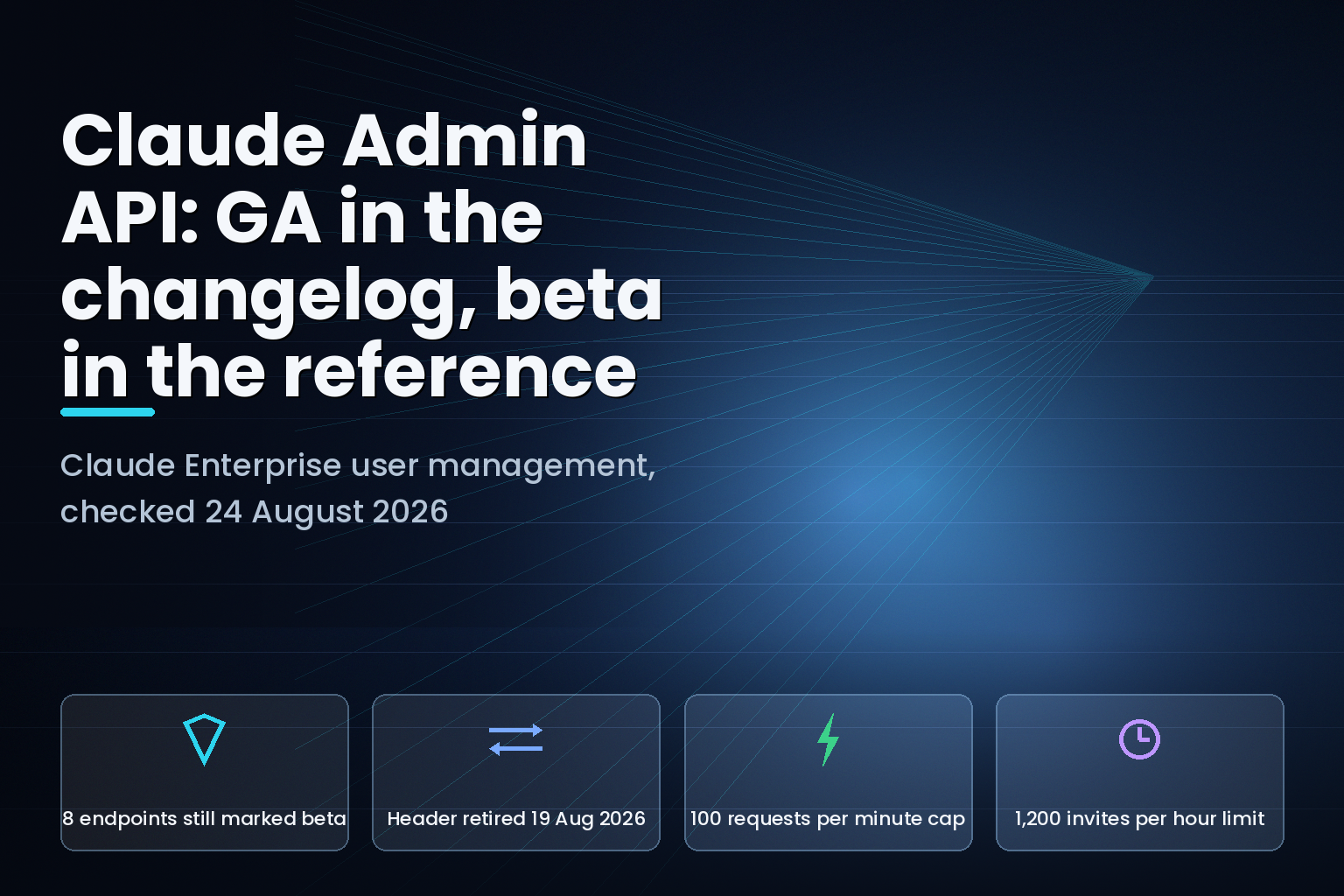
Claude Admin API user management went GA on 19 August 2026, but 8 endpoints still read beta
Anthropic's 19 August 2026 note retired the ce-user-management beta header, yet the Admin API reference still labels all 8 member and invite endpoints beta. Two header rules, two pagination styles, one API.
Manu Shukla -
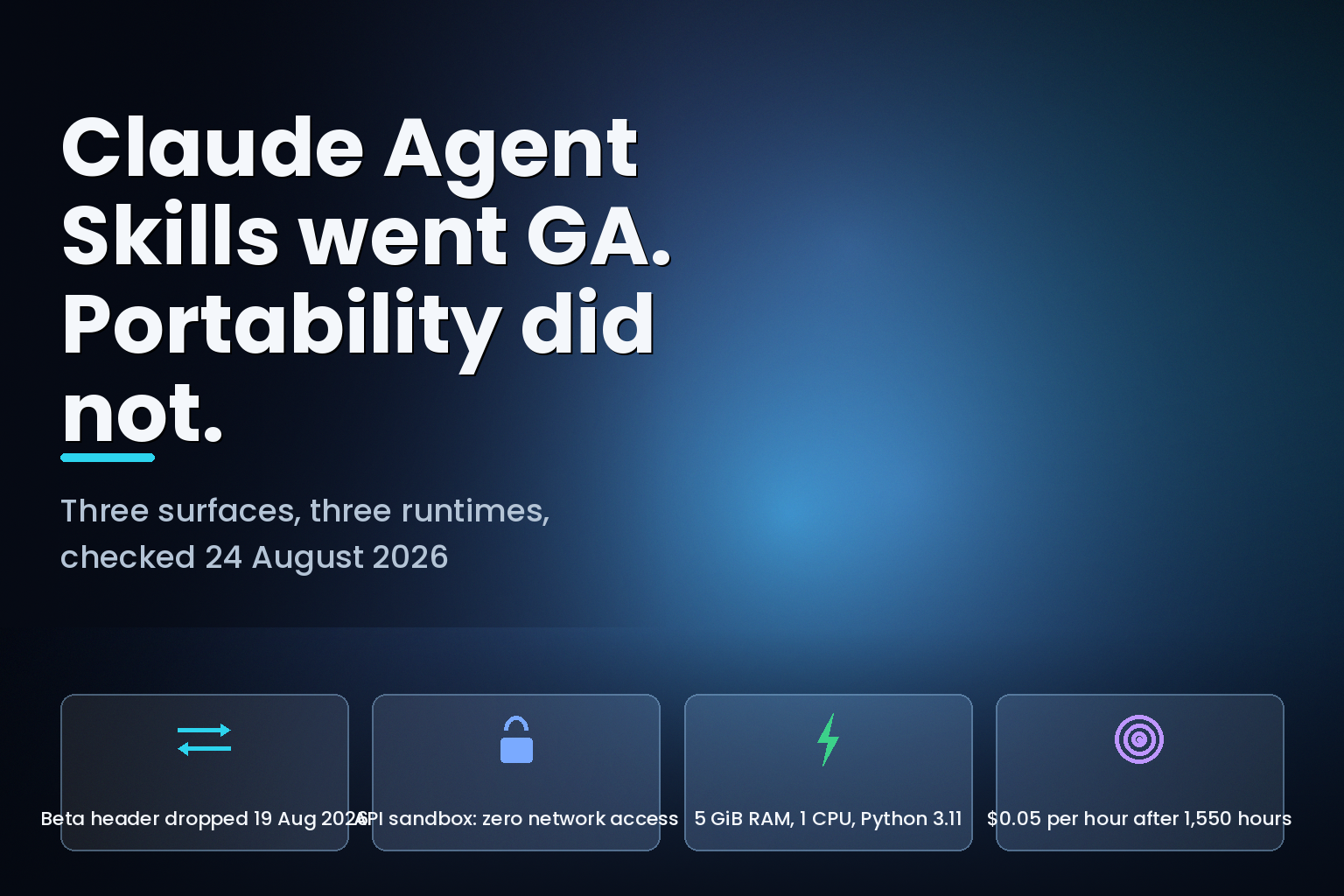
Claude Agent Skills left beta on 19 August 2026, and a Skill still runs 3 different ways
The skills-2025-10-02 header is gone, but a Claude Skill written for Claude Code will not run on the API: no network, no package installs, 5 GiB RAM, and no sync between the three surfaces.
Manu Shukla -
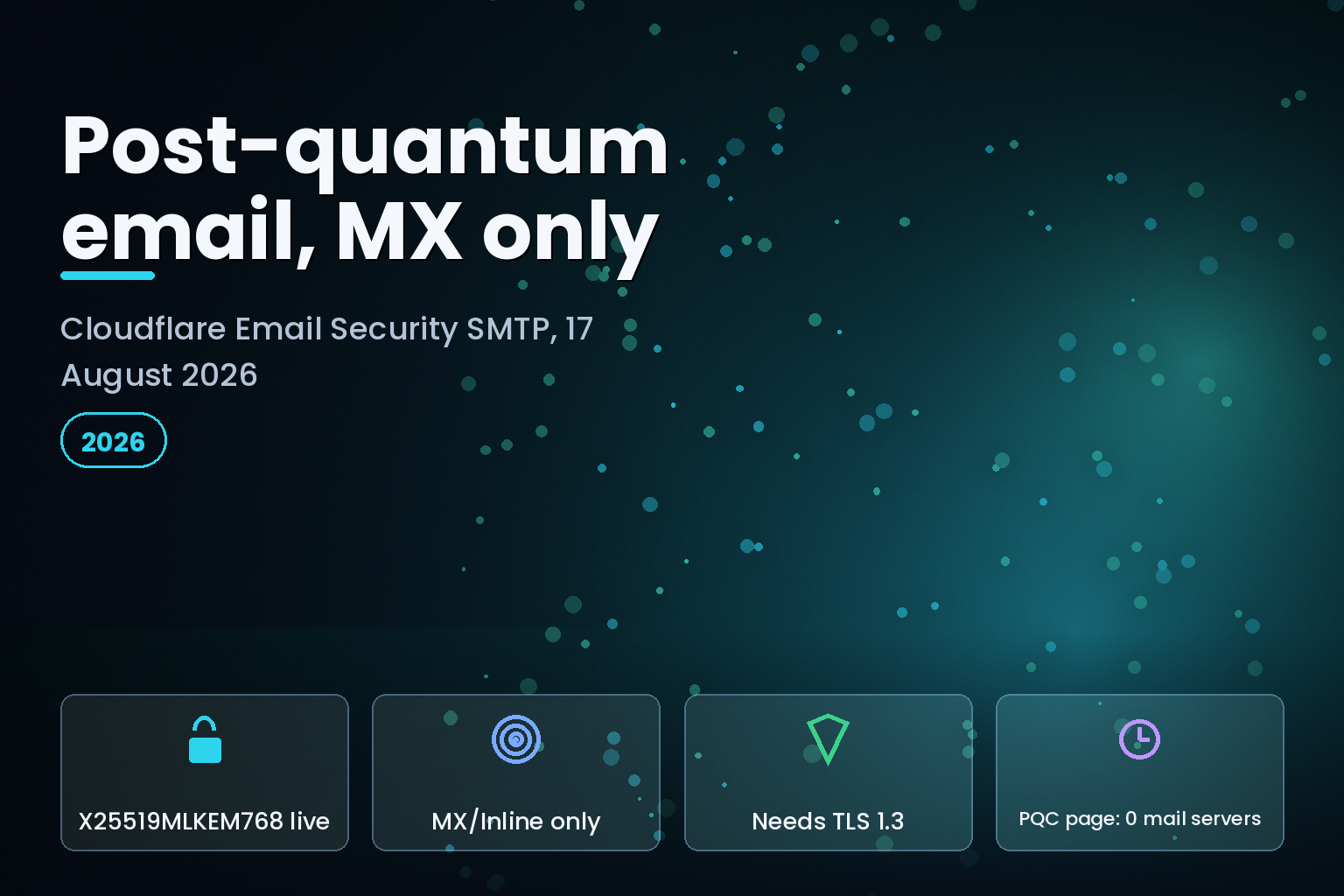
Cloudflare's 17 August 2026 post-quantum email change reaches MX deployments only, not BCC or API
Cloudflare says post-quantum key exchange for Email Security is enabled automatically for all customers, but only pre-delivery MX/Inline deployment puts Cloudflare in the SMTP chain at all.
Manu Shukla -
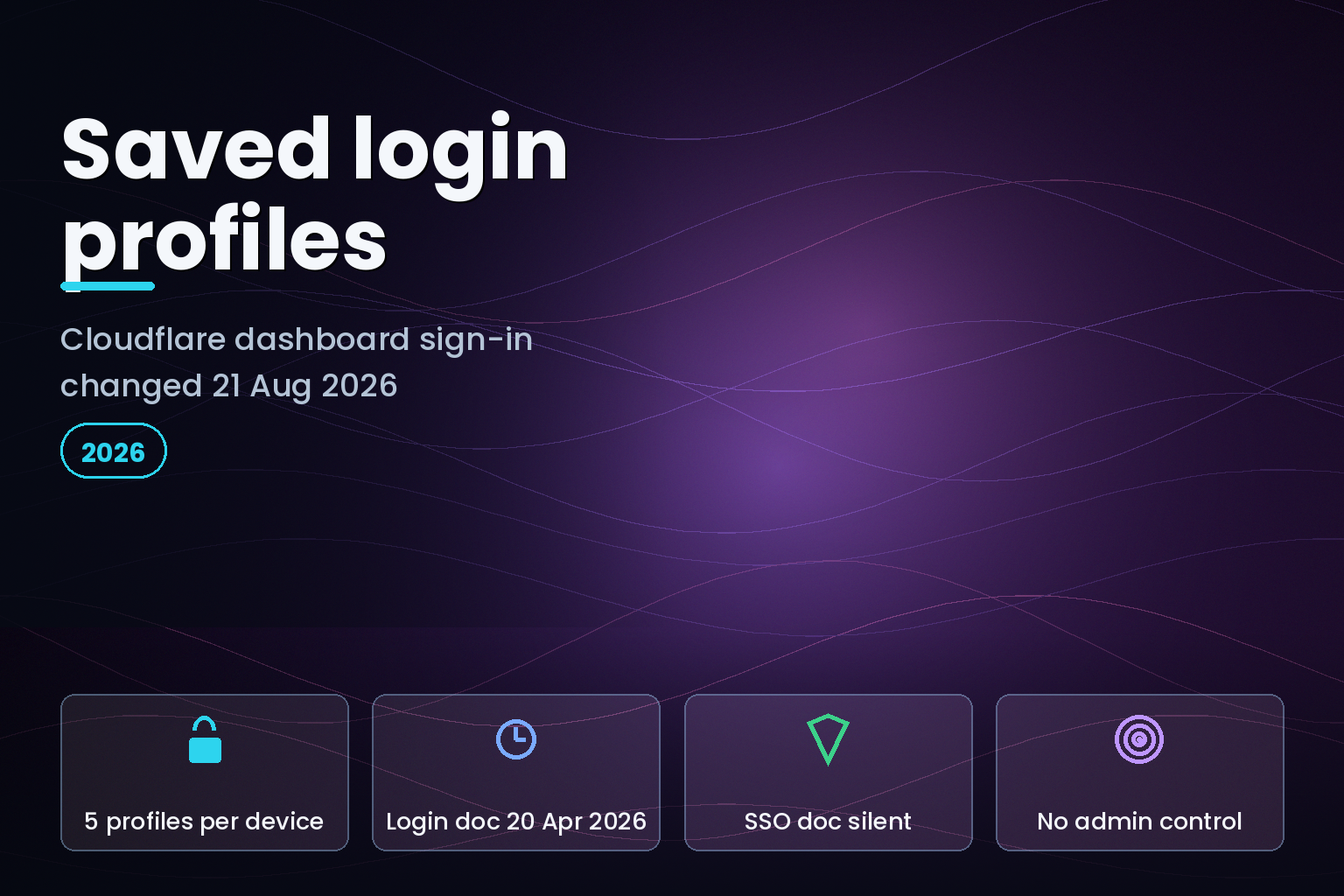
Cloudflare saved login profiles: 5 per device, and 3 docs that never mention them
Cloudflare's dashboard now stores your email, login method and last-used profile in the browser, up to 5 per device. The login, SSO and account-security docs it links to never mention the feature.
Manu Shukla -
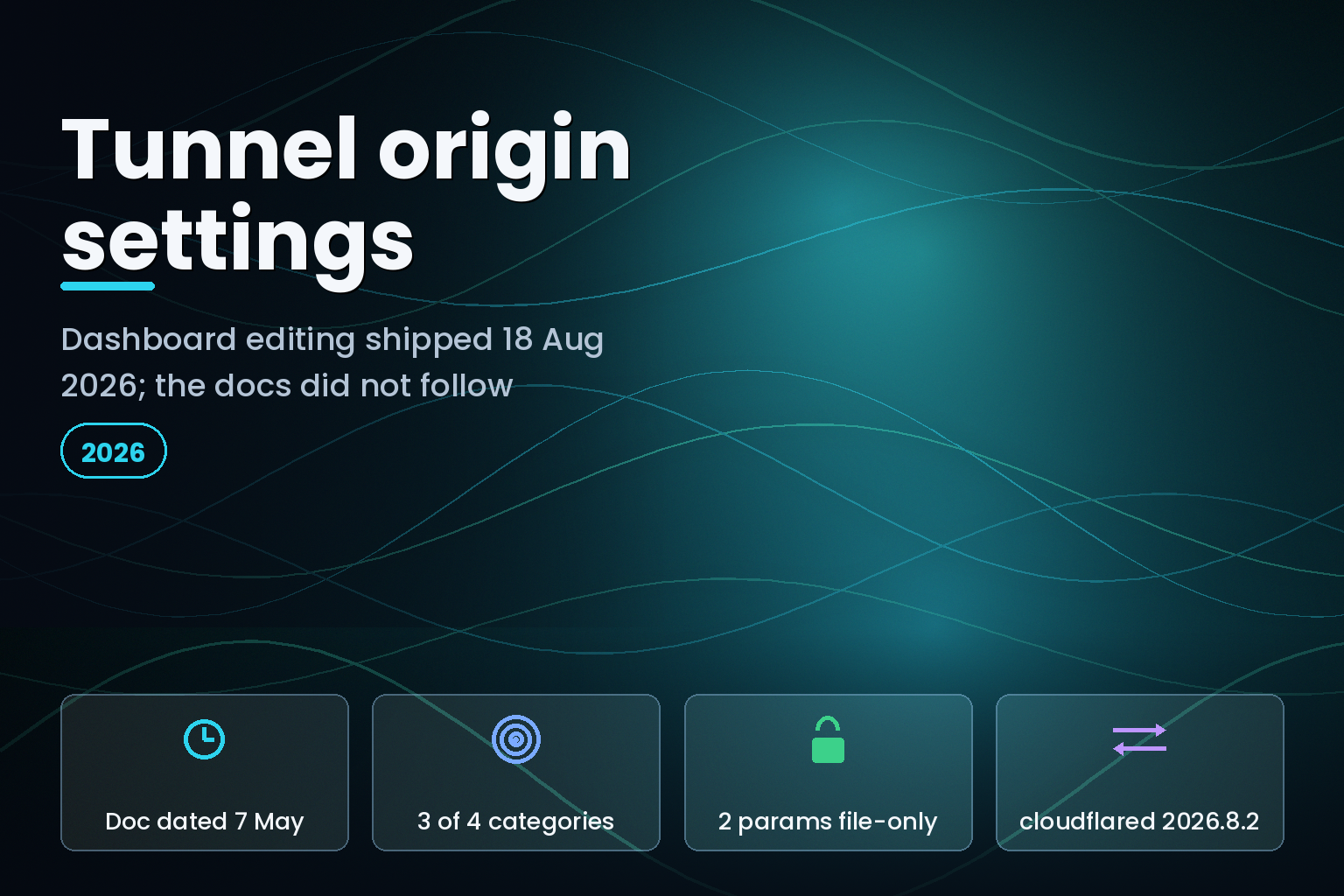
Cloudflare Tunnel origin settings moved to the dashboard on 18 August 2026: 3 gaps to check
Cloudflare announced dashboard editing for Cloudflare Tunnel origin parameters on 18 August 2026. Its reference doc is dated 7 May, omits a fourth category, and locks two proxy parameters to config files.
Manu Shukla -
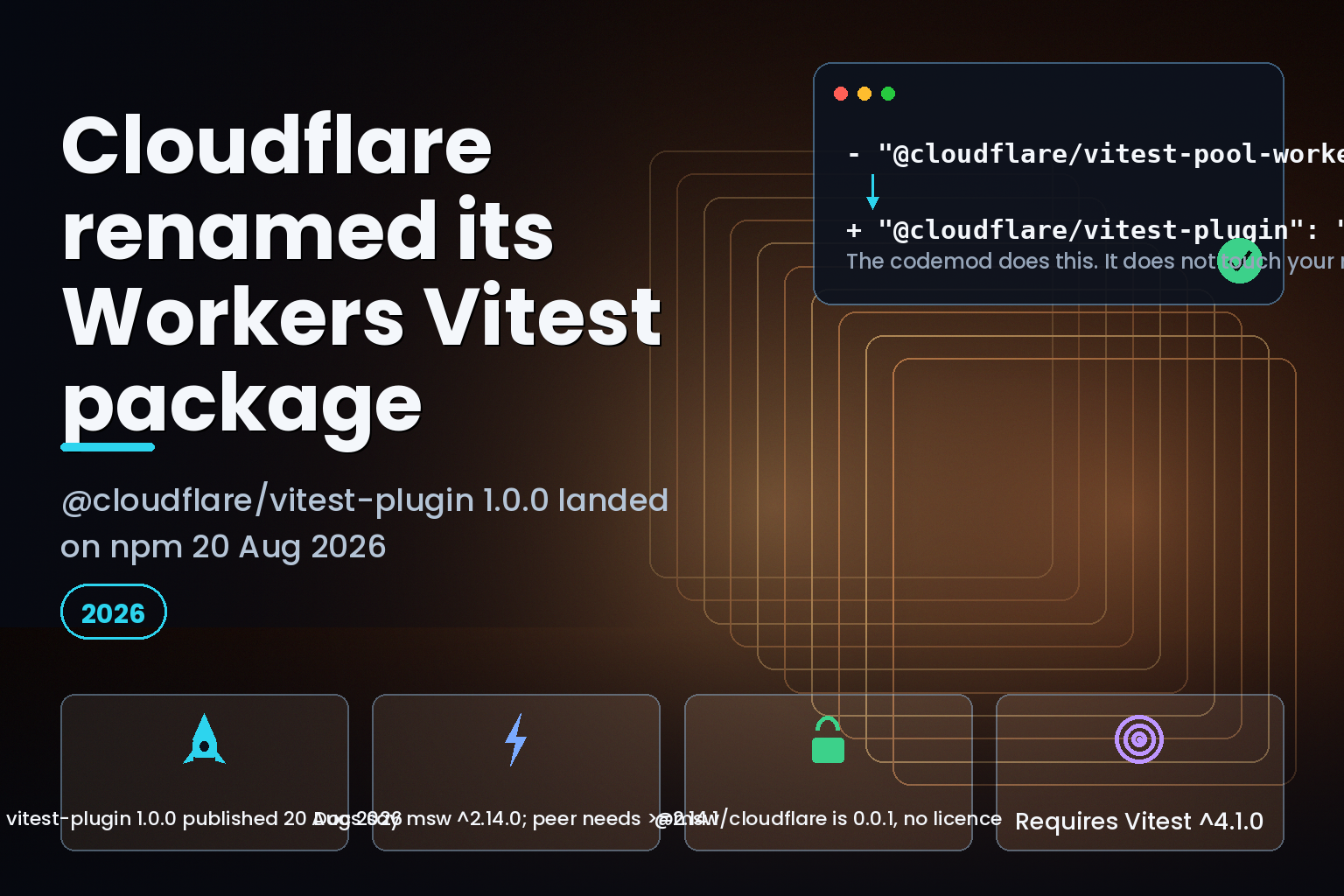
Cloudflare renamed its Workers Vitest package on 19 August 2026 and the mocking rewrite is what breaks
Cloudflare published @cloudflare/vitest-plugin 1.0.0 to npm on 20 August 2026 and called the API unchanged. Outbound request mocking now needs msw 2.14 and a 0.0.1 package with no licence file.
Manu Shukla -
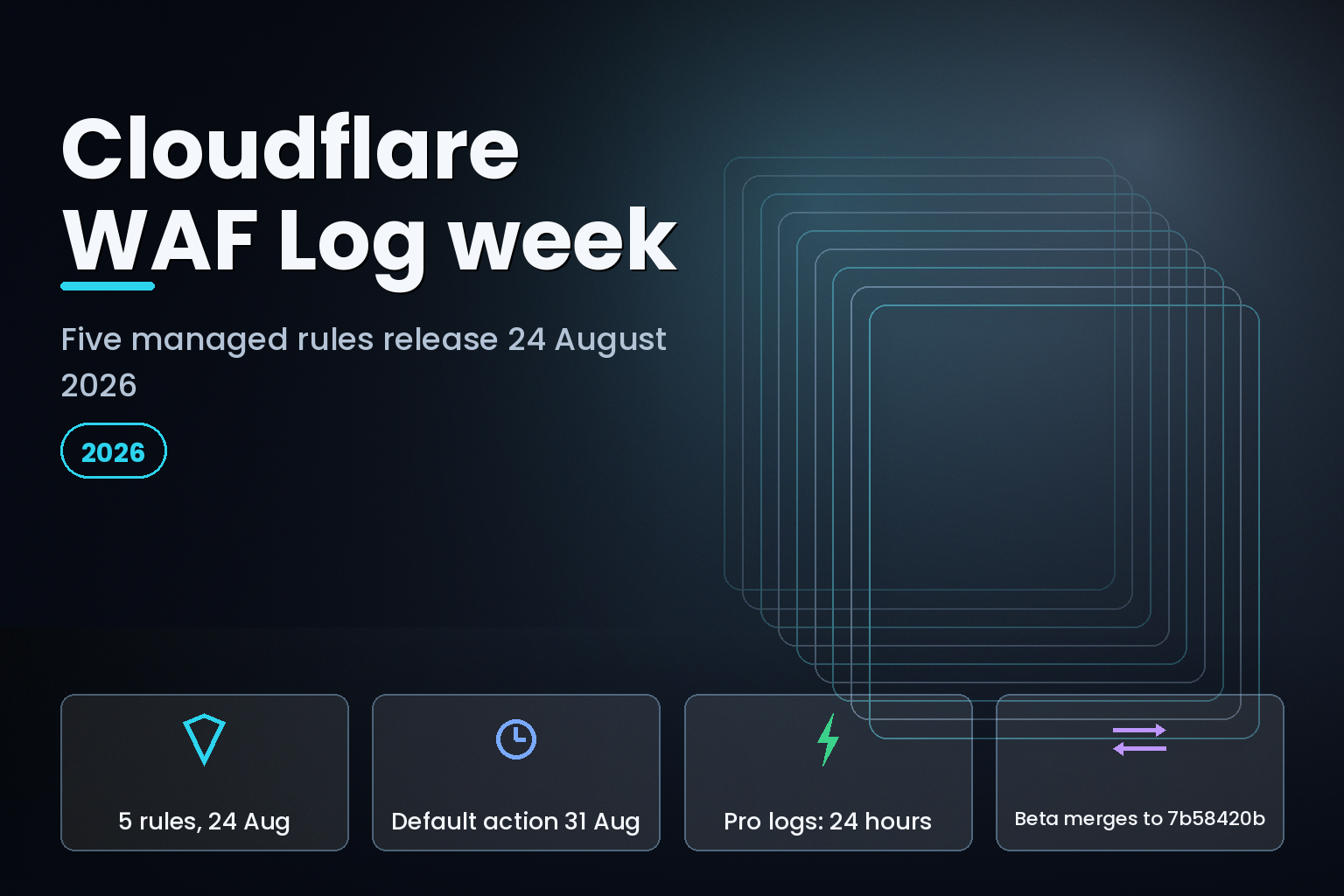
Cloudflare's 24 August 2026 WAF release ships 5 rules in Log mode - ruleset overrides make them Block
Cloudflare announced five WAF managed rules on 17 August 2026 for release on 24 August in Log mode. Its own override documentation contradicts that: ruleset and tag overrides apply to future rules.
Manu Shukla -
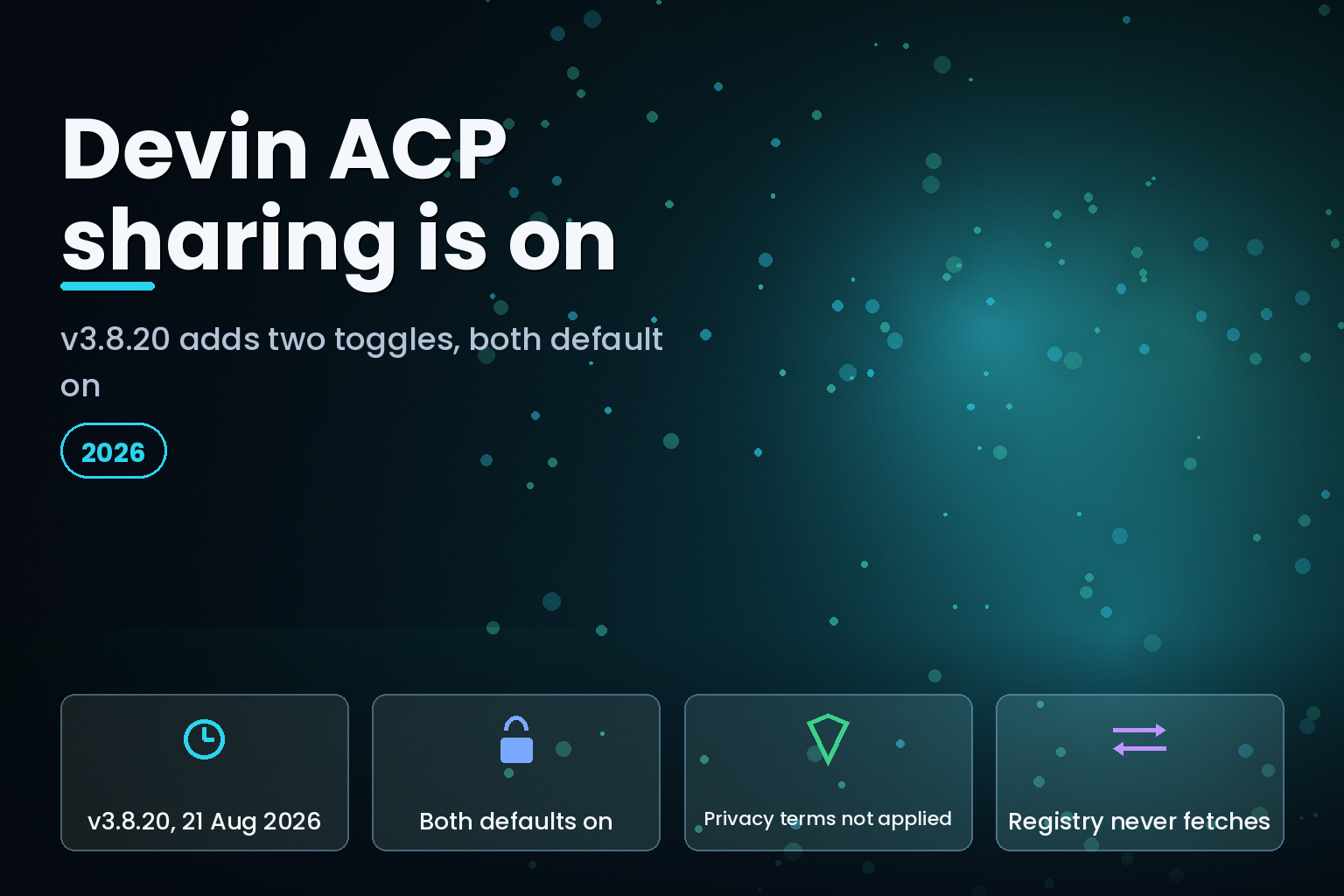
Devin Desktop v3.8.20 shares terminal output and local edits with third-party ACP agents by default
Devin Desktop v3.8.20 lets you stop sharing terminal activity and local edits with third-party ACP agents, but both settings default to on and neither appears in the Agent Client Protocol documentation.
Manu Shukla -
4 GovCloud GPT-5.6 doc conflicts AWS shipped on 24 August 2026
AWS announced GPT-5.6 Terra and Luna in AWS GovCloud (US) on 24 August 2026. Three other AWS pages, including the one the announcement links to, do not list either model in GovCloud at all.
Manu Shukla -
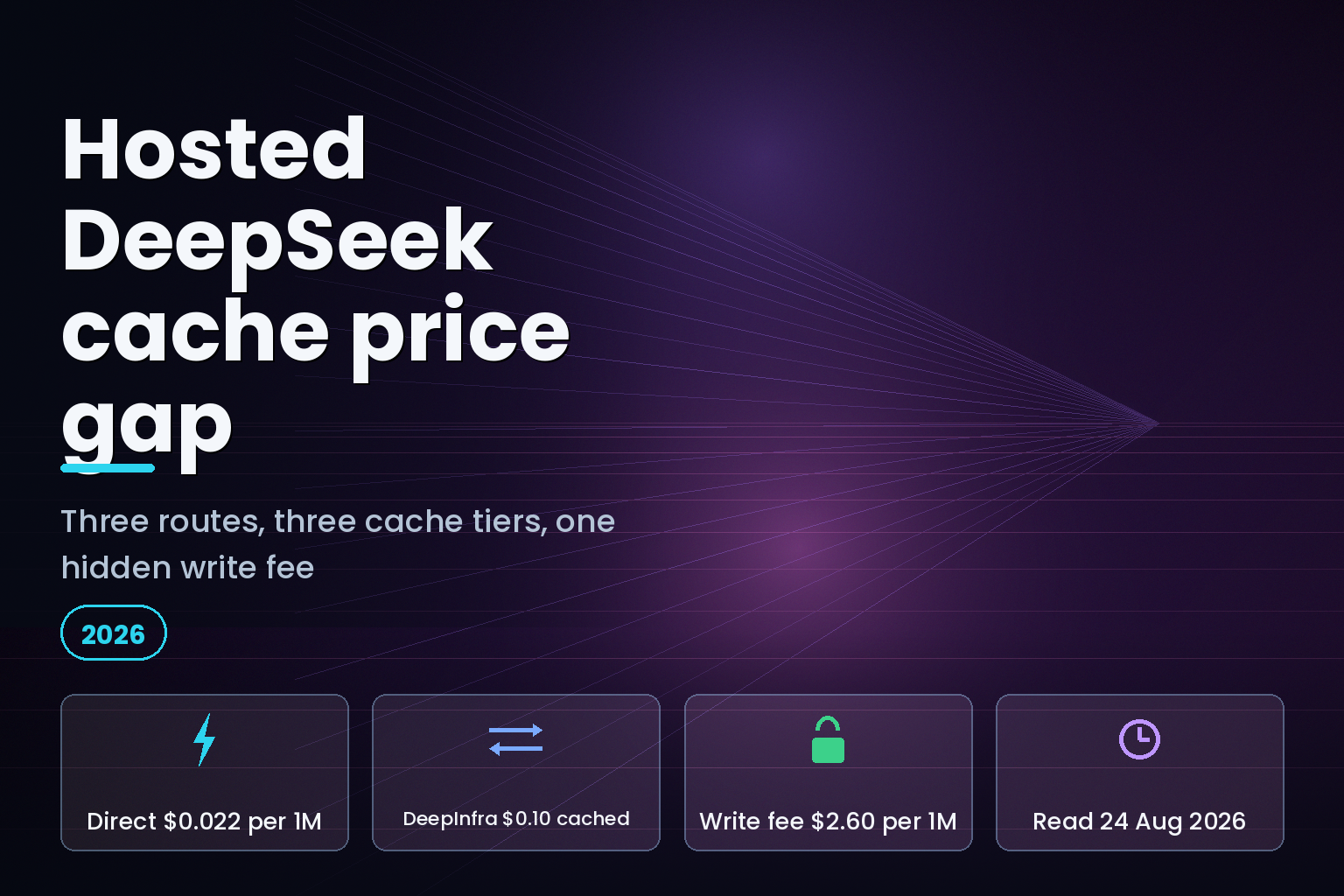
DeepSeek V4 Pro cached tokens cost 4.5x more on DeepInfra than direct in August 2026
Three hosted routes to DeepSeek-V4-Pro-0813 publish three different cache prices, and DeepInfra's cache-write charge of $1.625 to $2.60 per million tokens sits on the model page, not on the pricing page.
Manu Shukla -
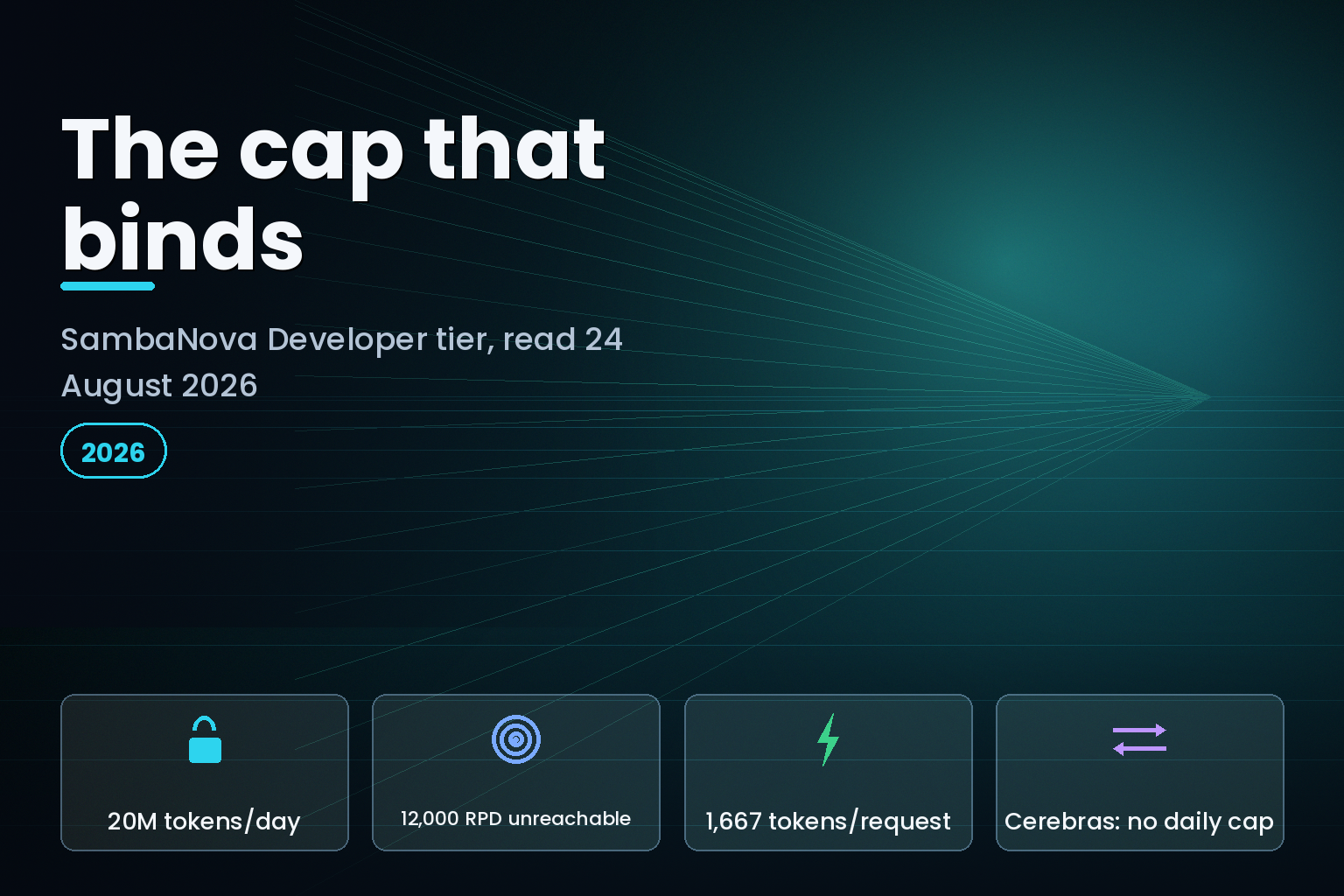
SambaNova's 20M token/day cap makes its RPD limits unreachable in 2026
SambaNova's Developer tier publishes 12,000 requests a day on DeepSeek-V3.1 and 48,000 on Llama-3.3-70B, then caps the account at 20M tokens a day in a note. Above 1,667 tokens a call, RPD stops mattering.
Manu Shukla -
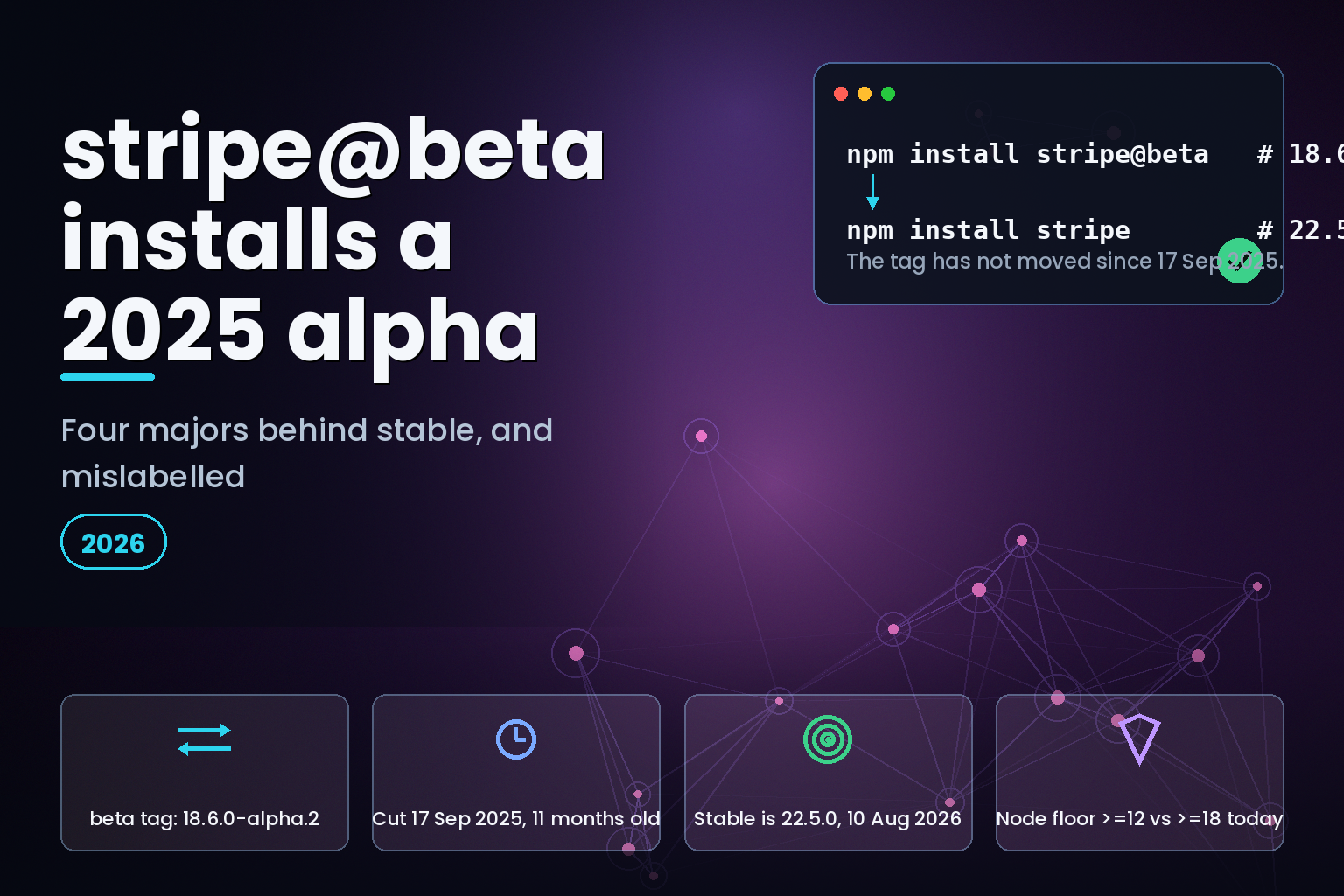
stripe@beta on npm still resolves to a 2025 alpha, four majors behind 22.5.0
Stripe's npm beta dist-tag has pointed at 18.6.0-alpha.2 since 17 September 2025. It sits four majors behind 22.5.0, carries the alpha suffix Stripe reserves for private preview, and 18.6.0 never shipped.
Manu Shukla -
Stripe's September 2026 SDK release drops 7 runtimes across 5 languages and names no pin for any of them
Seven runtime rows across five languages lose Stripe SDK support at the September 2026 major release. All seven list their last compatible SDK as TBD, and three READMEs never mention it.
Manu Shukla -
Vercel CLI's August 2026 project and domain commands block CI: 8 prompts have no skip flag
Vercel's 21 August 2026 CLI update added dns, domains and project subcommands and says all of them support JSON for scripts and agents. The reference docs say eight have no flag to skip confirmation.
Manu Shukla -
Vercel comments CLI, 20 August 2026: a 2018 doc stamp and an empty permissions block
Vercel's comments CLI landed on 20 August 2026 with a reference page stamped 2018-10-20, a permissions block that lists no permissions, and two sentences that disagree about confirmation in JSON mode.
Manu Shukla -
Vercel's comments CLI (20 Aug 2026) drops the delete prompt in JSON mode, and its doc is dated 2018
Vercel's comments CLI landed on 20 August 2026 with a JSON mode aimed at agents. The reference page carries a last_updated date of 20 October 2018, truncates its permissions callout, and removes the delete confirmation
Manu Shukla -
WebView2's 2-week cadence starts at version 153, not 152 - and three Microsoft pages still say 152
The WebView2 Runtime aligns to Edge's 2-week release cycle from version 153, not 152. Three Microsoft pages still name the wrong pivot version, and the Beta validation window drops from 21 days to 15.
Manu Shukla -
Cloudflare's enriched API 403s hand agents a 2 MB HTML page, and the .md route died in August 2026
Cloudflare API 403s now carry a documentation_url aimed at agents. Measured 23 August 2026 that URL is a 2,012,713-byte HTML page, and the .md route returns 404 site-wide.
Manu Shukla -
Cloudflare Access resource lists opened to scoped roles on 19 August 2026, and the roles page still says Beta
Cloudflare Access resource lists now work for resource-scoped roles, but the roles page dated 10 August 2026 still calls the feature Beta, and reusable policies stay invisible without a second role.
Manu Shukla -
Cloudflare enabled FUSE for local Containers on 20 August 2026 but rootful Docker and CI are excluded
Miniflare grants FUSE to local Containers only under a VM-backed or rootless Docker daemon. The official R2 example installs tigrisfs unpinned, and every ls on that mount bills as a Class A operation.
Manu Shukla -
Cloudflare Gateway now blocks npm and PyPI downloads, but an unparseable version matches nothing, including !=
Cloudflare Gateway can now allow or block package downloads across seven ecosystems. Detection is fail-open, and an unparseable version string matches no comparison at all.
Manu Shukla -
Cloudflare began scanning Authorization headers on 20 August 2026, and the docs did not change
Cloudflare turned on Authorization header scanning for every zone with leaked credentials detection enabled, with no configuration change and no update to the page that documents it since 5 May 2026.
Manu Shukla -
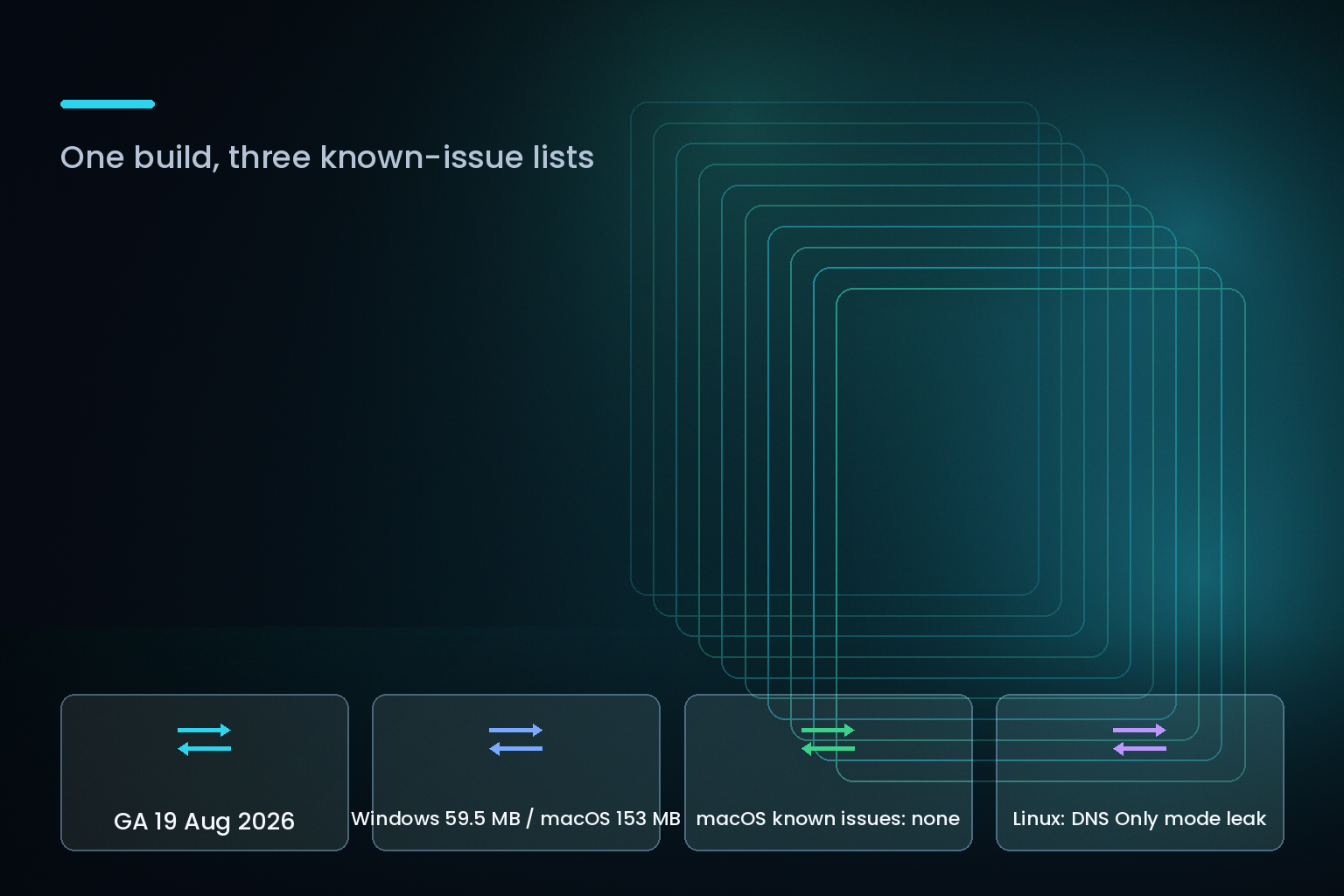
Cloudflare One Client 2026.7.1343.0 shipped 19 August 2026 with three different known-issue lists
One build number, three risk profiles. Cloudflare shipped 2026.7.1343.0 to Windows, macOS and Linux on 19 August 2026. Only macOS lists no known issues; Windows has a downgrade trap and Linux a DNS leak.
Manu Shukla -
Cloudflare vitest-plugin v1: the migration guide targets 0.16.0, the last old release was 0.22.0
The Cloudflare Workers Vitest package became @cloudflare/vitest-plugin 1.0.0 on 20 August 2026. The rename is real, the API is unchanged, and the documented find-and-replace targets a version shipped in May.
Manu Shukla -
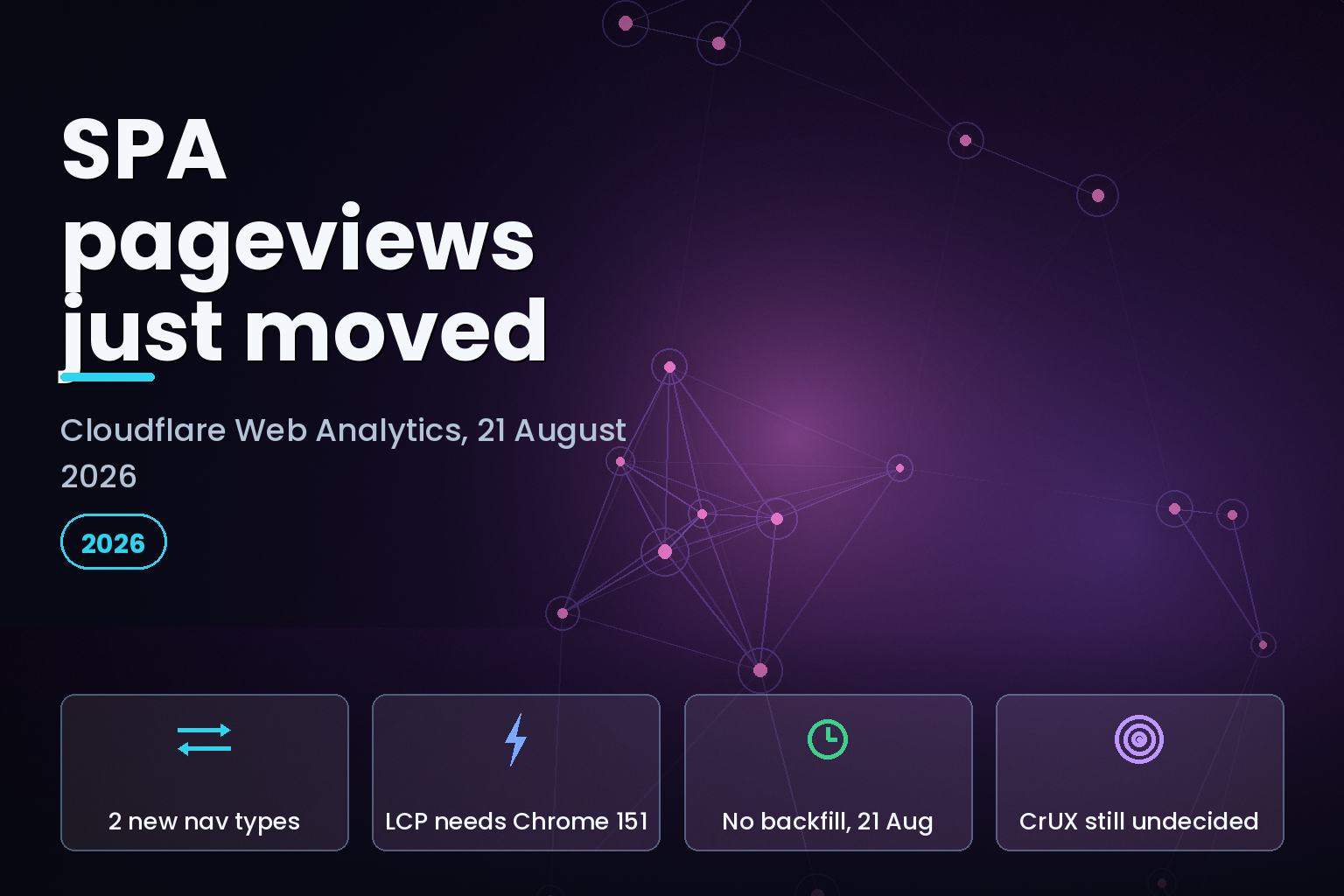
Cloudflare Web Analytics added 2 SPA navigation types on 21 August 2026 and your pageviews will jump
Cloudflare turned on native soft-navigation measurement in Web Analytics on 21 August 2026. Two navigationType values arrive, pageview counts move, LCP needs Chrome 151, and CrUX reporting is undecided.
Manu Shukla -
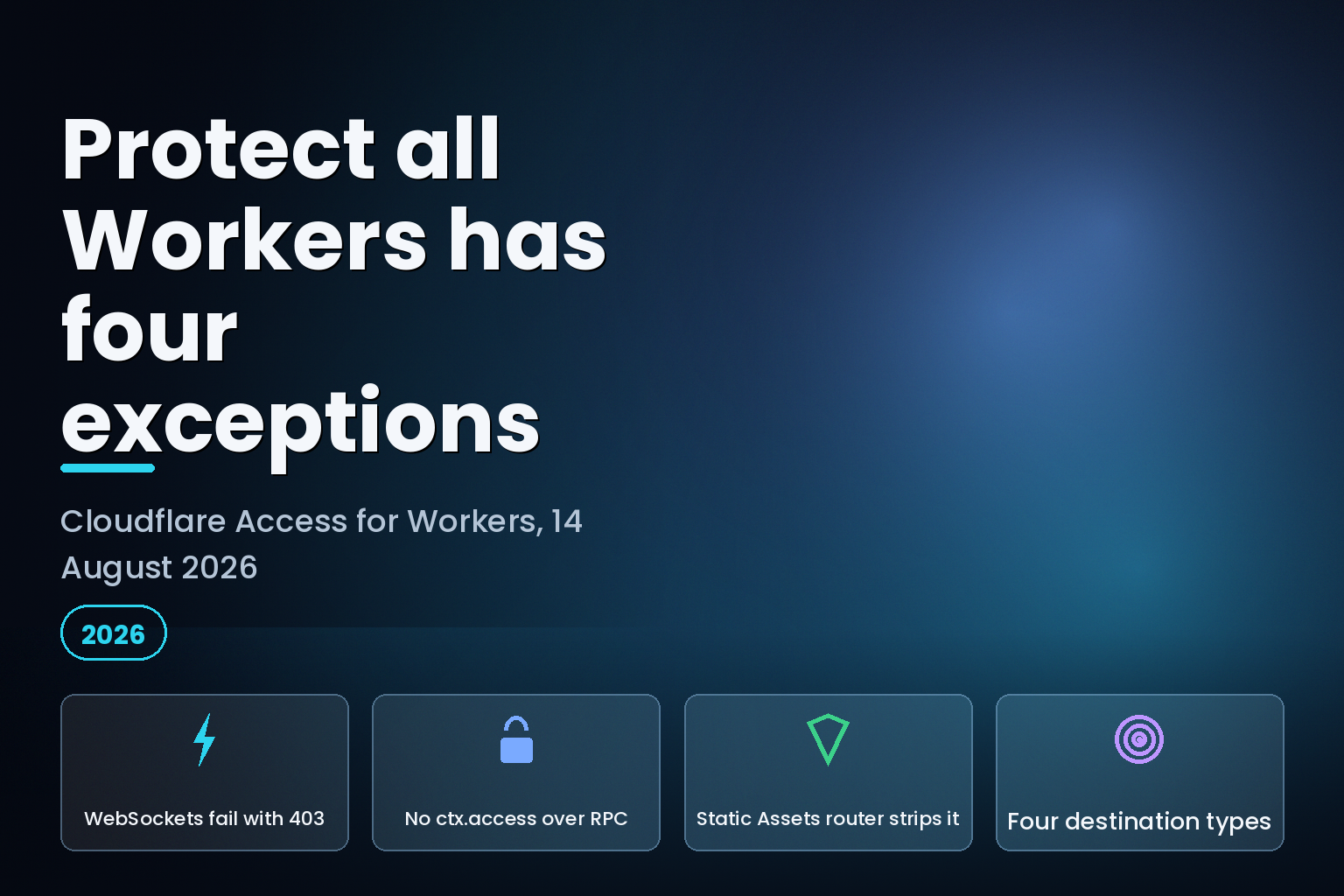
Cloudflare shipped Protect all Workers on 14 August 2026, and WebSocket Workers return 403 behind it
Cloudflare's 14 August 2026 changelog introduced an account-wide Access default for Workers. The docs page, updated 18 August, adds four limitations the announcement never mentions.
Manu Shukla -
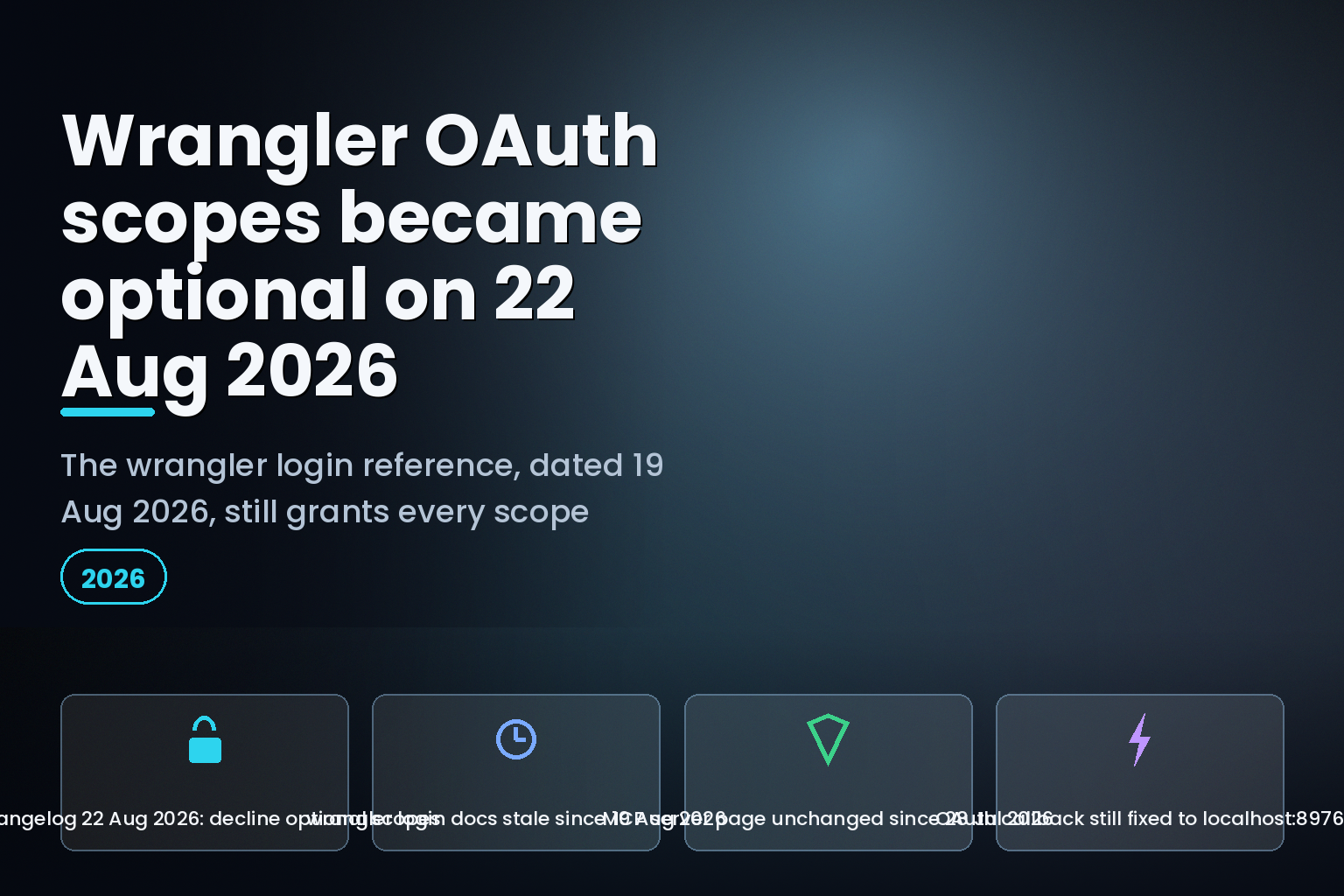
Cloudflare made Wrangler OAuth scopes optional on 22 August 2026, but the CLI reference still grants all of them
Cloudflare let developers decline optional OAuth scopes for Wrangler and its API MCP server on 22 August 2026. The wrangler login reference, dated 19 August, still says it takes every scope.
Manu Shukla -
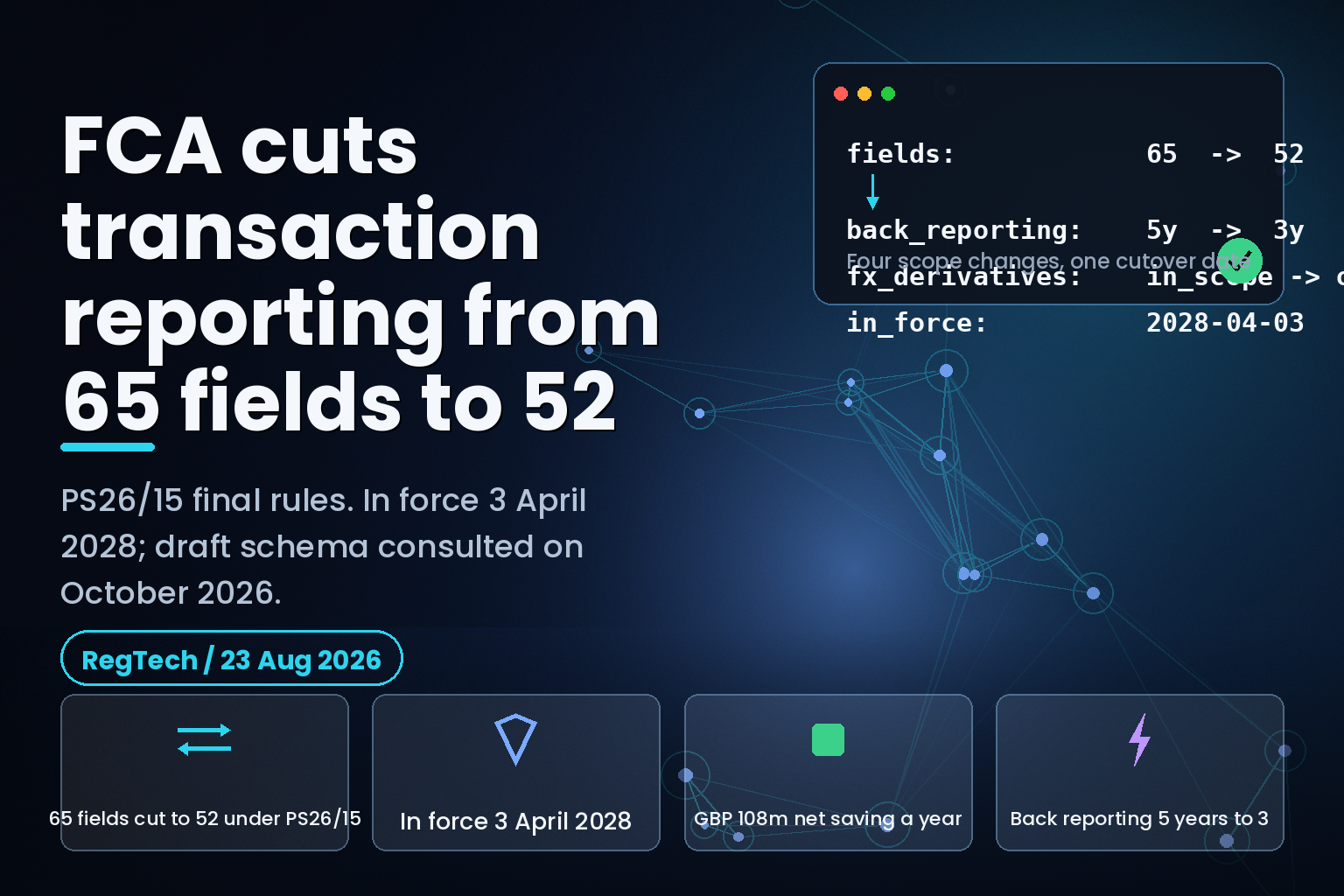
FCA cuts UK transaction reporting from 65 fields to 52, in force 3 April 2028
FCA PS26/15 cuts UK transaction reporting from 65 fields to 52, drops FX derivatives from scope and shortens back reporting from 5 years to 3. In force 3 April 2028; schema consulted on in October 2026.
Manu Shukla -
ACM stops renewing email-validated certificates on 30 September 2027, and the migration docs never say so
AWS announced the email-to-DNS migration path on 13 August 2026 with three hard deadlines attached. The ACM User Guide chapter that documents the migration mentions none of them.
Manu Shukla -
AWS VPN Client 6.0 lost profiles on upgrade, and three versions shipped in nine days
AWS announced the rebuilt VPN Client on 13 August 2026, after 6.0.0, 6.0.1 and 6.0.2 had shipped. The rebuild relocates configuration, there is no auto-update, and the requirements now list only Windows 11.
Manu Shukla -
Claude's browser use tool costs 6,600 input tokens per request before a screenshot: the 19 August 2026 release
Anthropic's browser use tool went GA on 19 August 2026. Declaring it costs about 6,600 input tokens per request against 4,500 for computer use, and its own docs contradict the release notes.
Manu Shukla -
Clean Rooms log export, 11 August 2026: every count is rounded down and stack traces are gone
AWS Clean Rooms can now export Spark logs for SQL queries. The logs are redacted: record counts round down to an order of magnitude, values under 100 report as zero, and error text and stack traces are removed.
Manu Shukla -
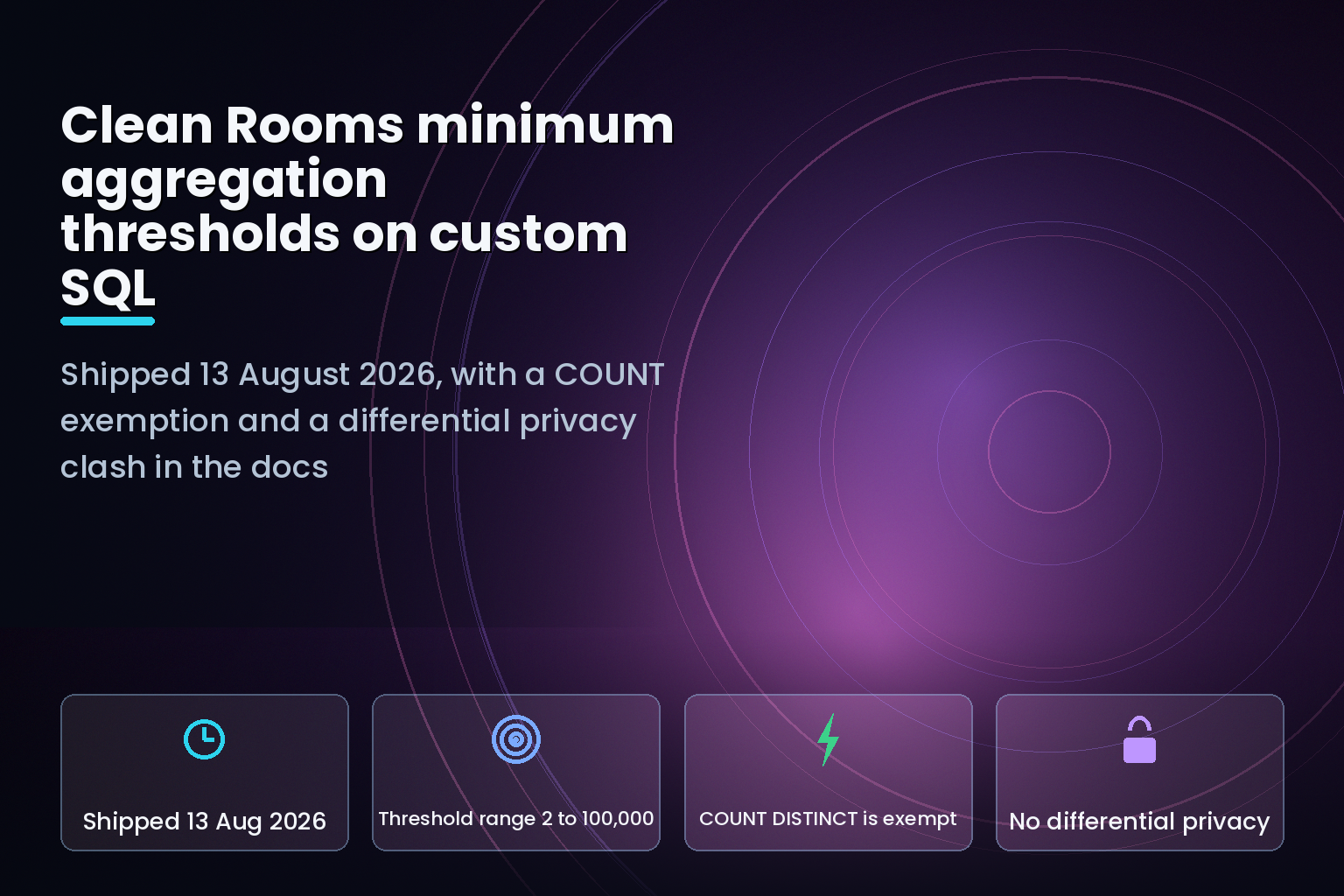
Clean Rooms minimum aggregation thresholds, 13 August 2026: the COUNT exemption AWS did not announce
Clean Rooms can now enforce minimum aggregation on ad-hoc SQL. The user guide lists a COUNT exemption, a clash with differential privacy, and a cut-down SQL surface the announcement never mentions.
Manu Shukla -
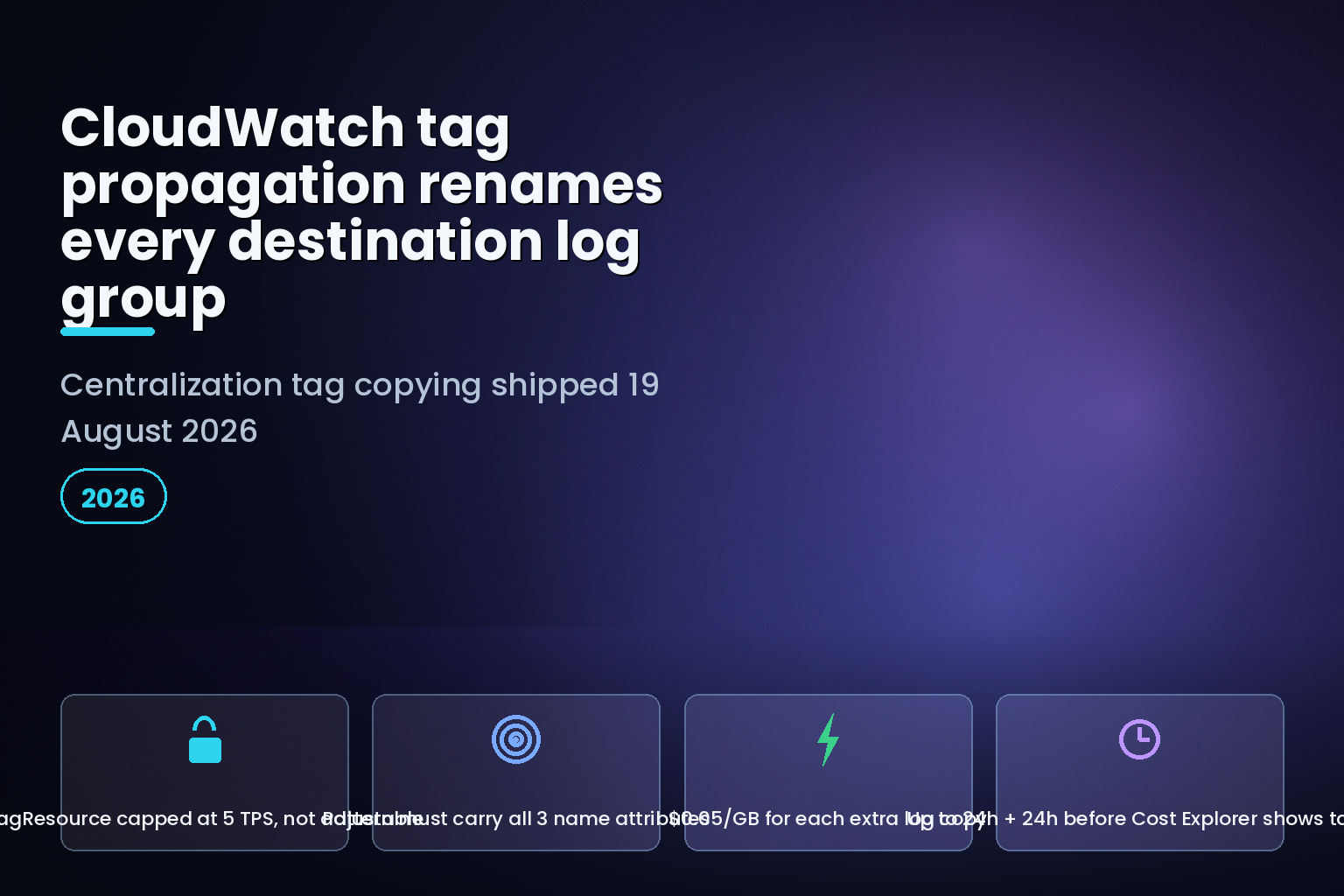
CloudWatch tag propagation, 19 August 2026: opting in renames every destination log group
AWS shipped log group tag propagation for CloudWatch Centralization on 19 August 2026. The opt-in carries a rename requirement, a non-adjustable 5 TPS tagging ceiling, and a health field that stays green.
Manu Shukla -
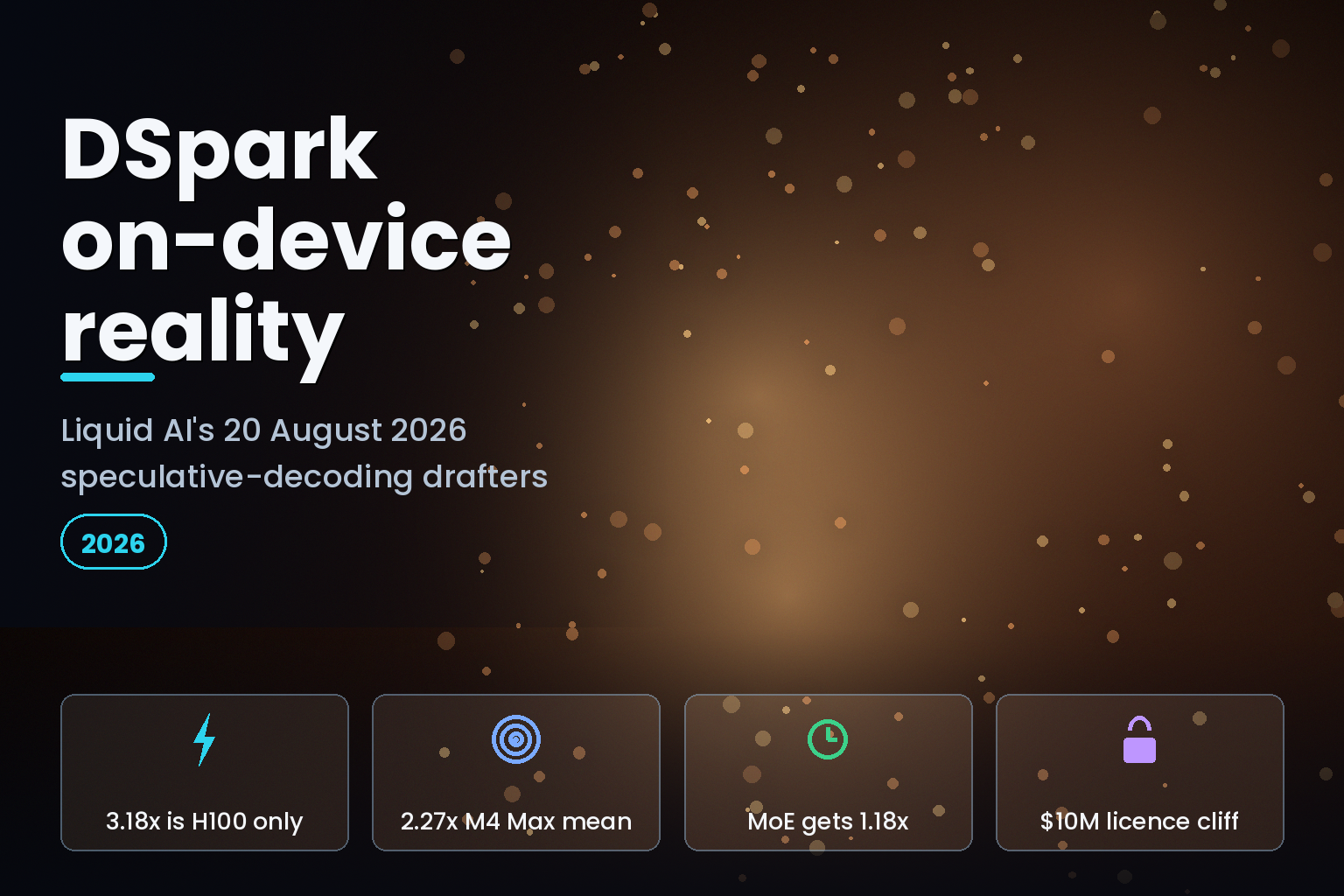
LFM2.5-DSpark ships 3.2x on an H100 and 1.18x on a MacBook: the 20 August 2026 numbers mobile teams should read
Liquid AI released LFM2.5-DSpark speculative-decoding drafters on 20 August 2026. The headline 3.2x is a single H100 cell. On an M4 Max the 2.6B mean is 2.27x and the 8B MoE mean is 1.18x.
Manu Shukla -
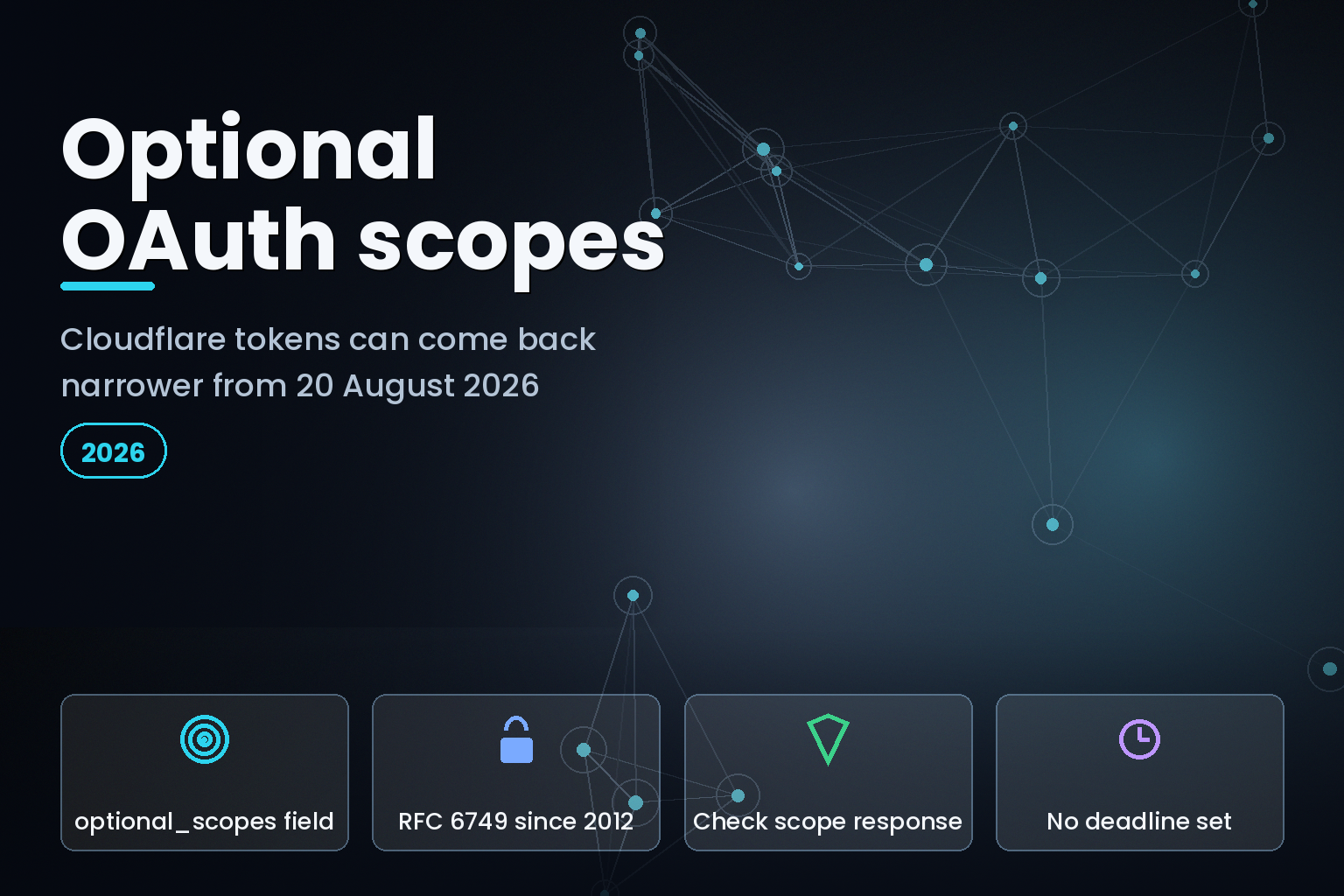
Optional OAuth scopes shipped 20 August 2026: Cloudflare tokens can now come back narrower
On 20 August 2026 Cloudflare let users deselect optional scopes at consent. RFC 6749 has permitted narrower grants since 2012, and most OAuth clients still assume the full requested set was approved.
Manu Shukla -
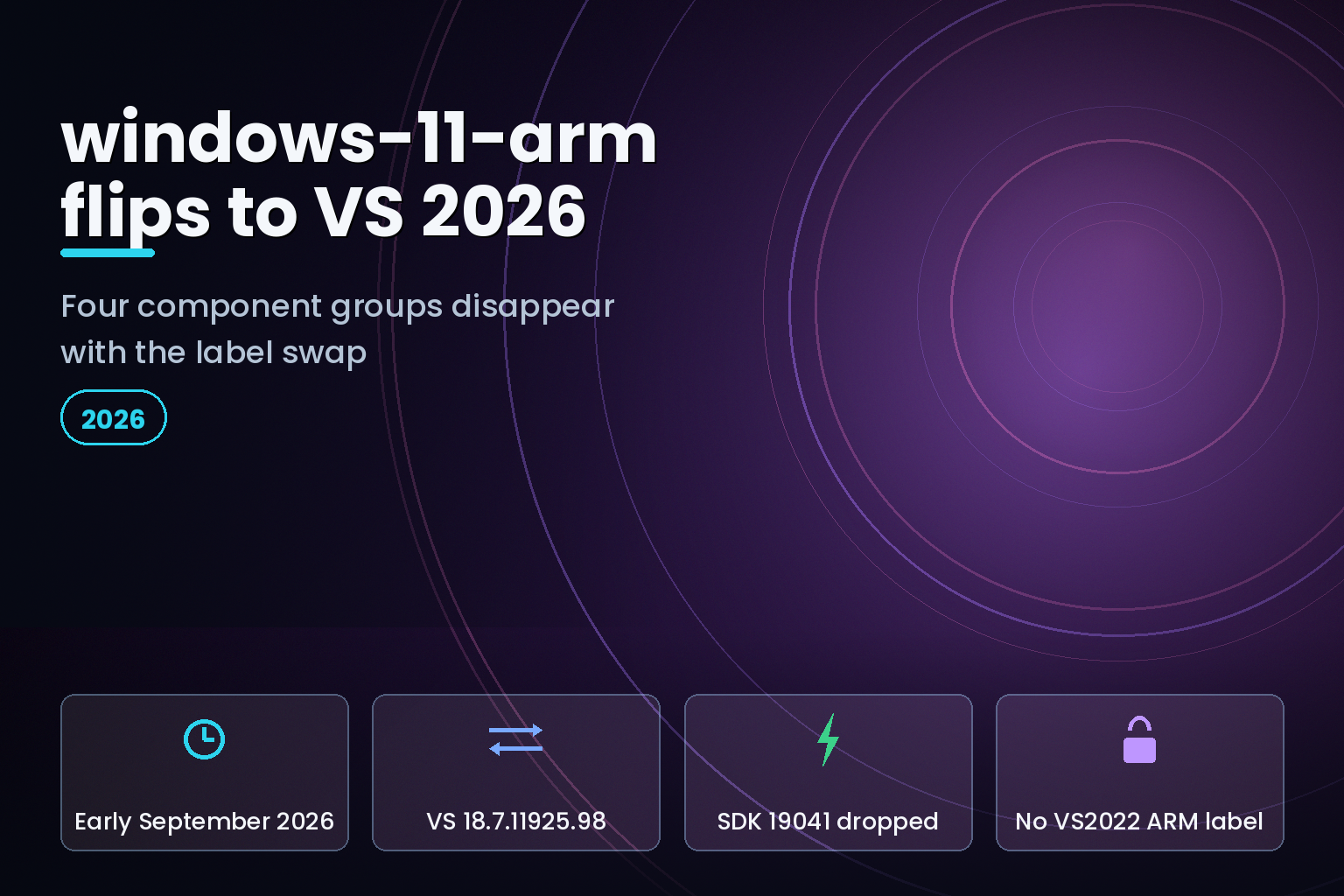
windows-11-arm switches to Visual Studio 2026 in early September 2026: 4 components disappear
GitHub announced on 11 June 2026 that the windows-11-arm runner label migrates to the Visual Studio 2026 image in early September. The live runner-images READMEs show four component groups the new image does not carry
Manu Shukla -
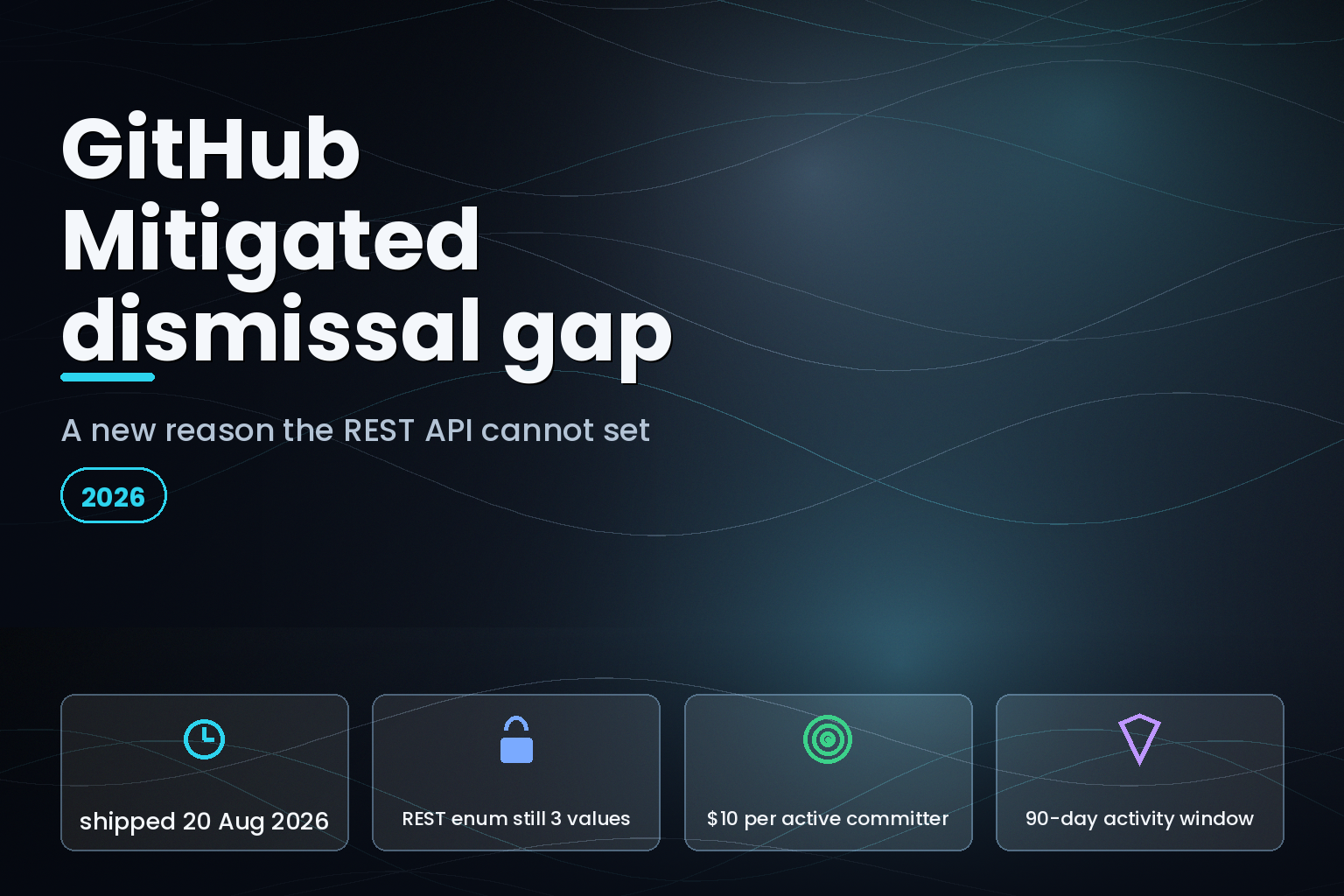
GitHub shipped a Mitigated dismissal reason on 20 August 2026 that its own REST API cannot set
GitHub shipped three application-security changes on 20 August 2026. The new Mitigated dismissal reason is absent from the REST API enum and from the documentation page the changelog links to, and admins are told
Manu Shukla -
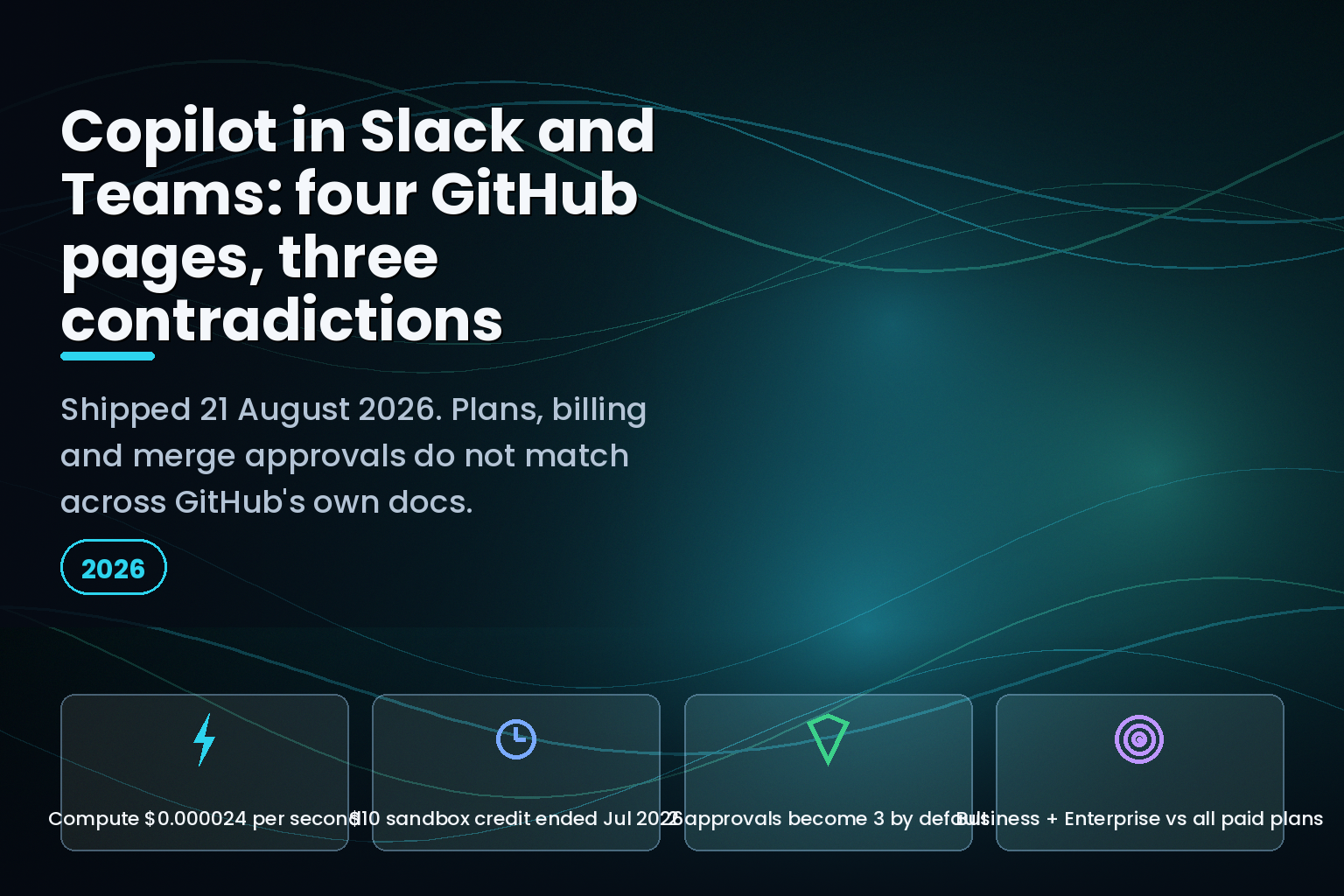
GitHub's 21 August 2026 Copilot launch in Slack and Teams contradicts its own docs
GitHub published two Copilot launch posts on 21 August 2026 and two docs pages to match. They disagree on which plans qualify, what a session costs and whether the extra merge approval is on by default.
Manu Shukla -
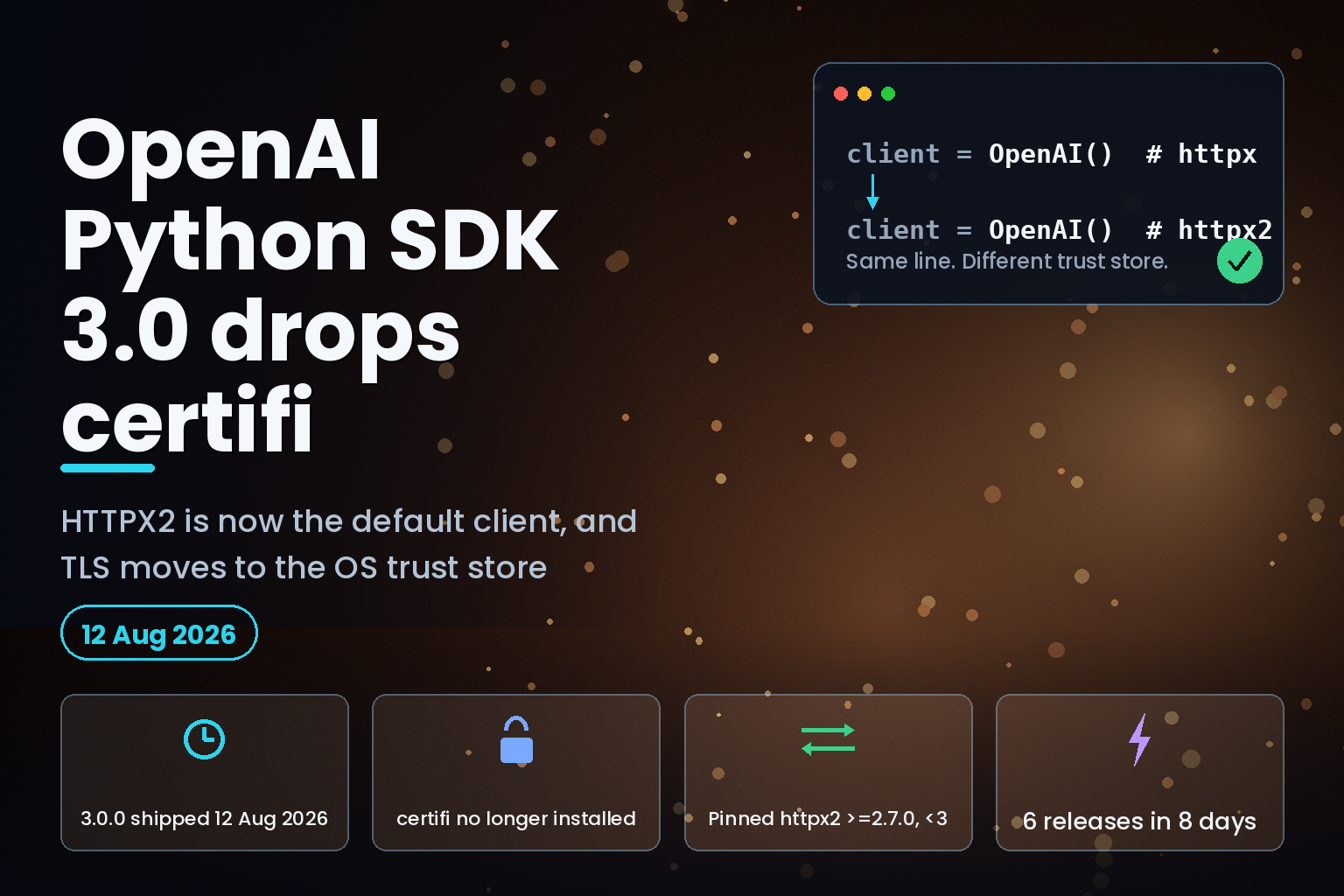
OpenAI Python SDK 3.0 dropped certifi on 12 August 2026 and broke TLS in slim containers
openai 3.0.0 landed on PyPI at 01:55 UTC on 12 August 2026. It replaced HTTPX with HTTPX2, stopped installing certifi, and moved certificate verification to the operating-system trust store.
Manu Shukla -
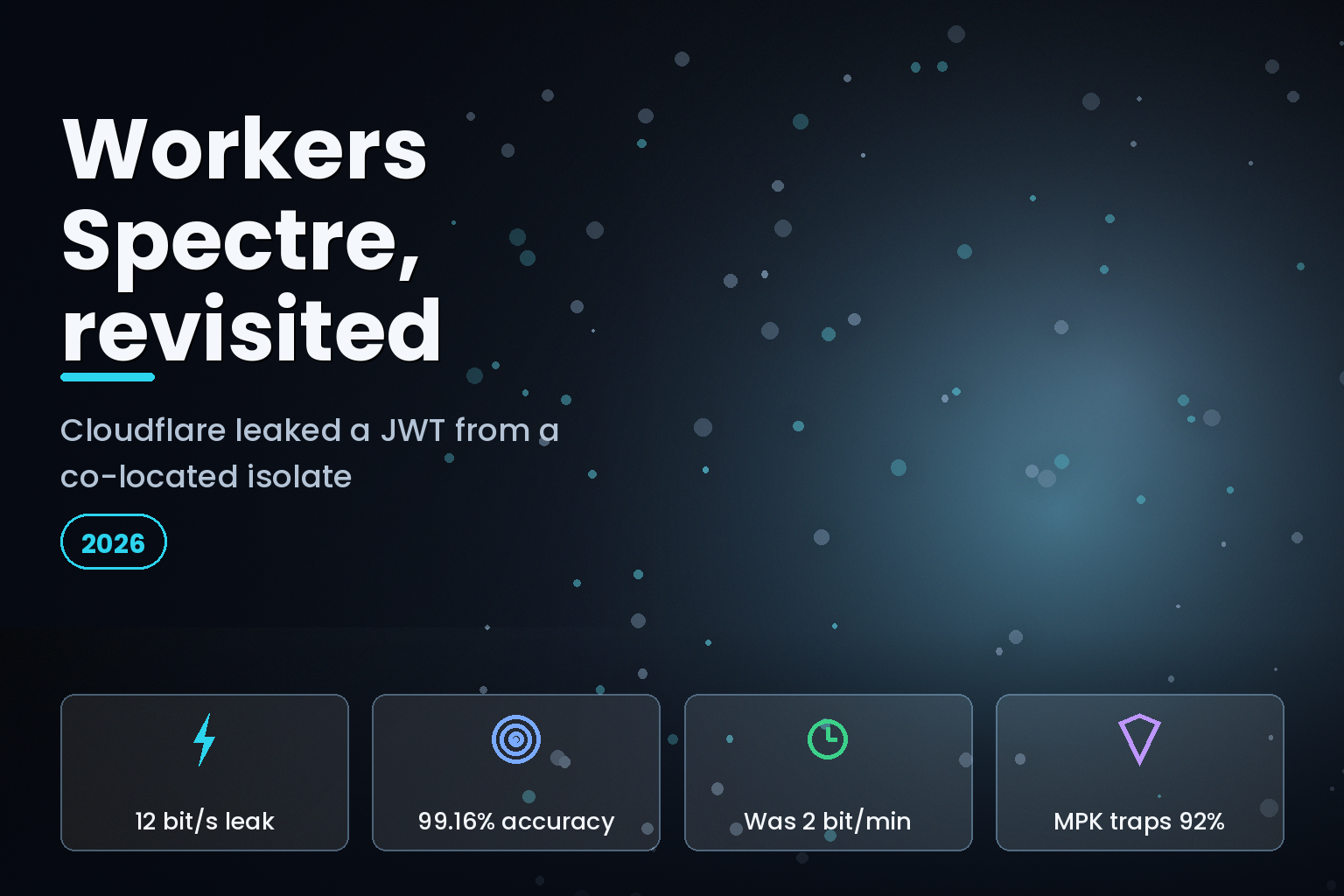
Cloudflare Workers Spectre attack leaked a JWT at 12 bit/s: the 2026 DyPrIs failure
On 19 August 2026 Cloudflare published a remote Spectre attack that leaked a JWT from a co-located Worker at up to 12 bit/s. The 2021 attack managed 2 bit/min. The blog and the paper disagree on the risk.
Manu Shukla -
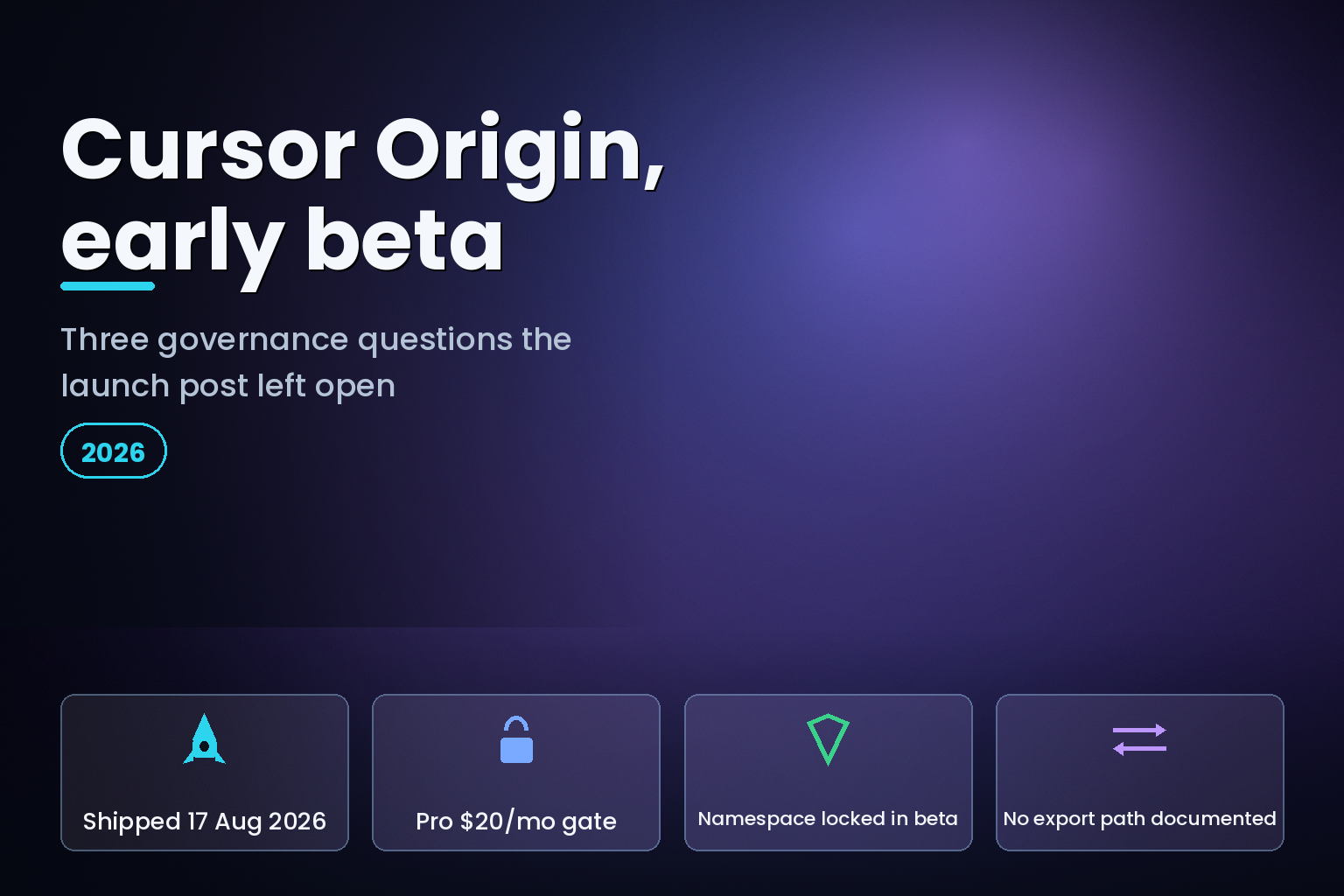
Cursor Origin launched 17 August 2026 with 3 unanswered governance questions
Cursor now hosts code. Origin shipped in early beta on 17 August 2026 to Pro, Teams and Enterprise plans, but two Cursor doc pages contradict each other on who can claim your permanent namespace, and no pricing page
Manu Shukla -
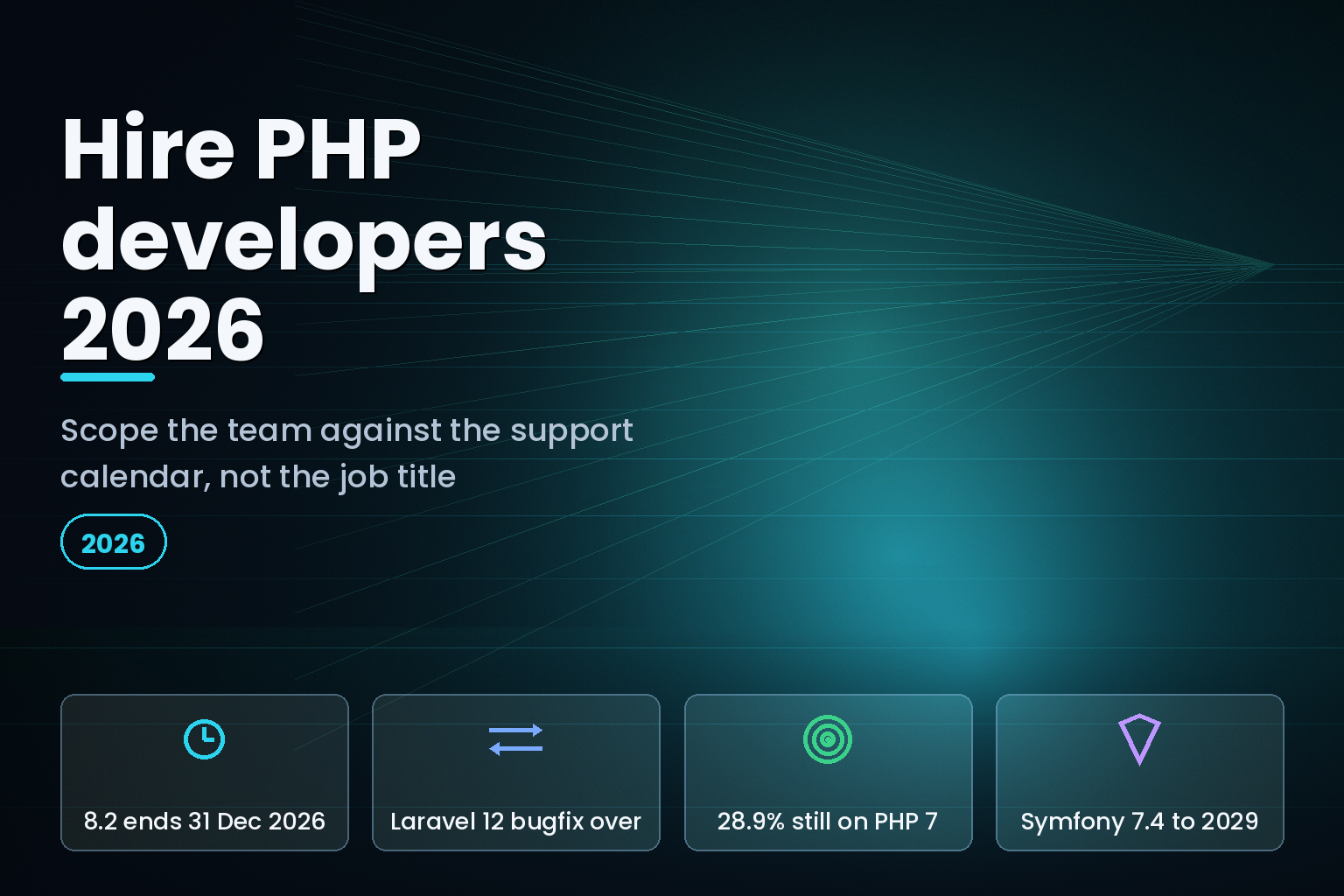
Hire PHP developers in 2026: the 31 December 8.2 cliff that shapes your contract
PHP 8.2 stops receiving security patches on 31 December 2026, Laravel 12 left bug-fix support on 13 August 2026, and 28.9% of PHP sites still run version 7. Here is how to scope a PHP team against those dates.
Manu Shukla -
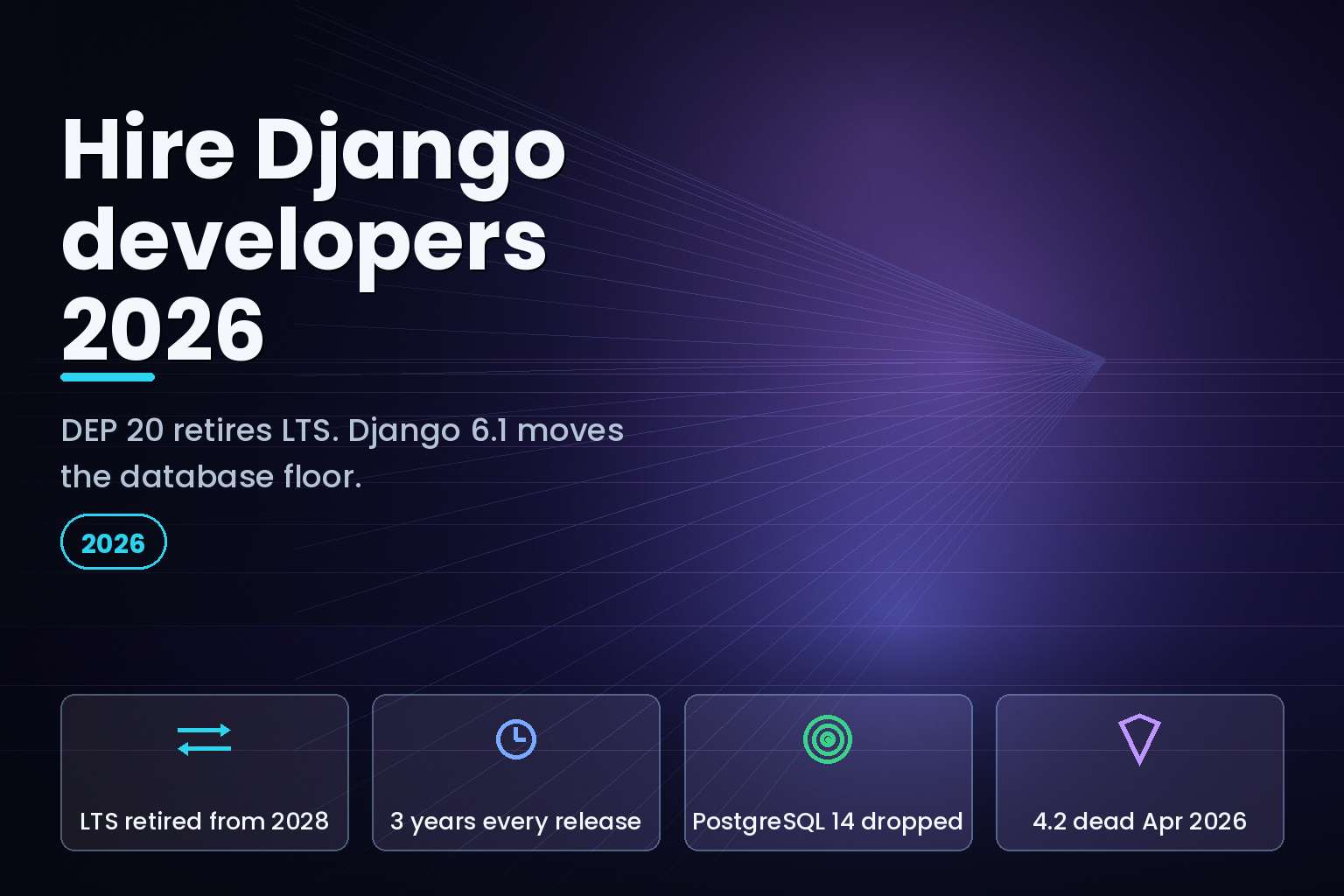
Hire Django developers in 2026: DEP 20 retires LTS and Django 6.1 drops four database versions
Django's Steering Council accepted DEP 20 on 10 August 2026: one release a year from 2028, three years of support for every release, and the LTS label retired. Django 6.1 also dropped four database versions. Here is
Manu Shukla -
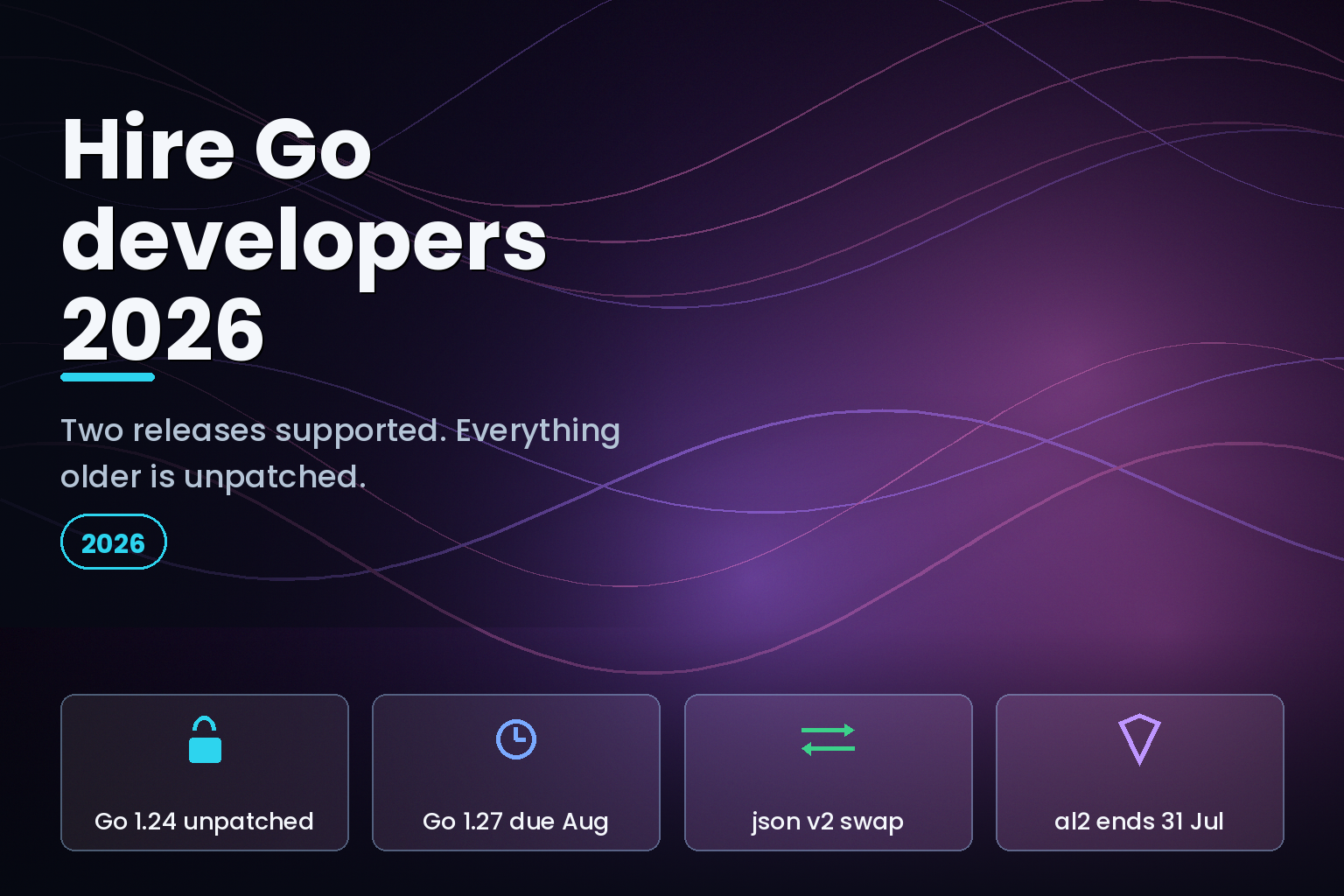
Hire Go developers in 2026: the two-release support window that sets your real cost
Go supports only two major releases at a time, so Go 1.25 goes dark the day Go 1.27 ships. Here is how that window, the encoding/json v2 swap and the provided.al2 Lambda cliff shape what a Go team costs.
Manu Shukla -
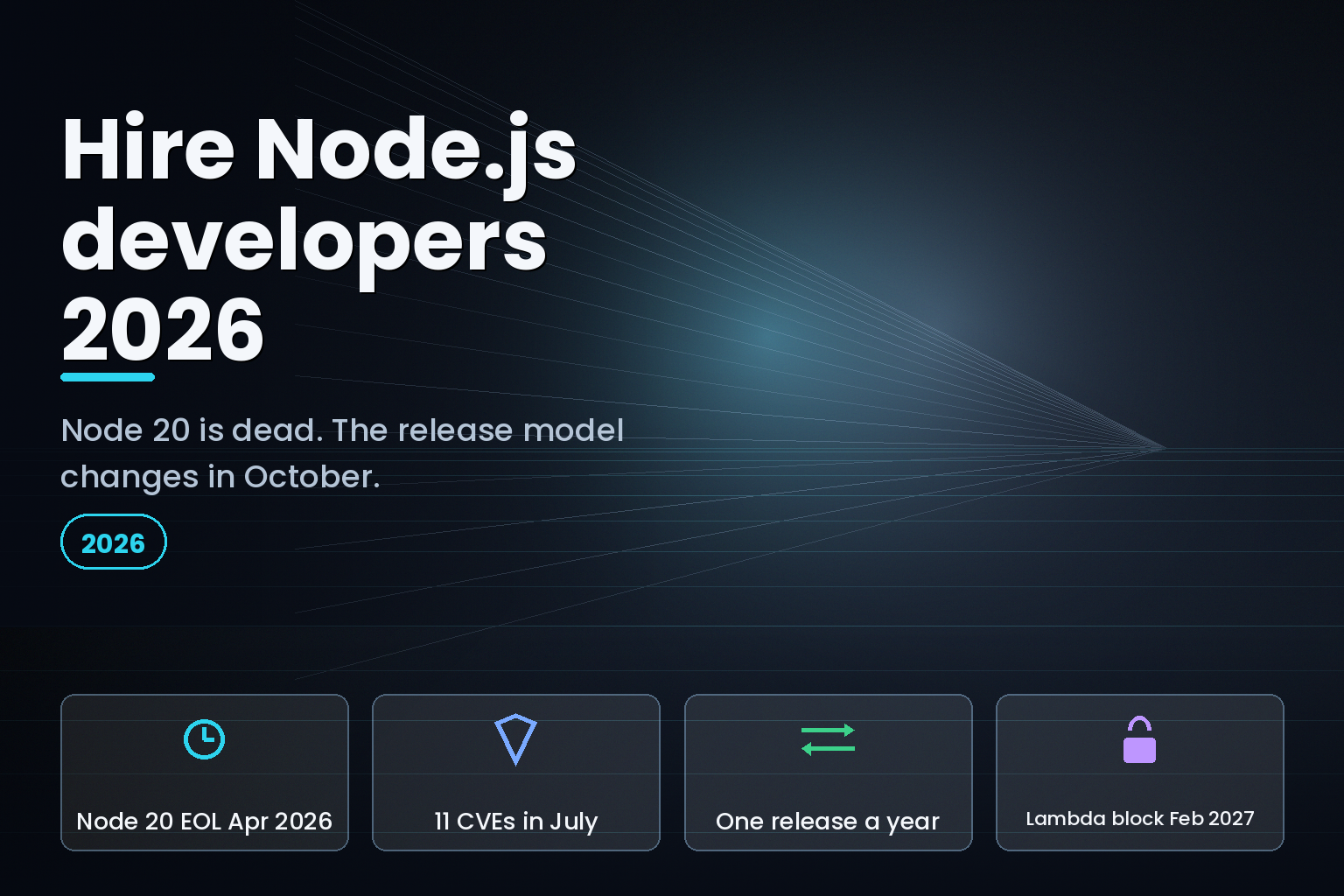
Hire Node.js developers in 2026: Node 20 is dead and the release model changes in October
Node 20 went end of life on 30 April 2026, the July 2026 security release carried 11 CVEs, and from October the whole release model changes. Here is what that does to the shape of a Node.js contract team.
Manu Shukla -
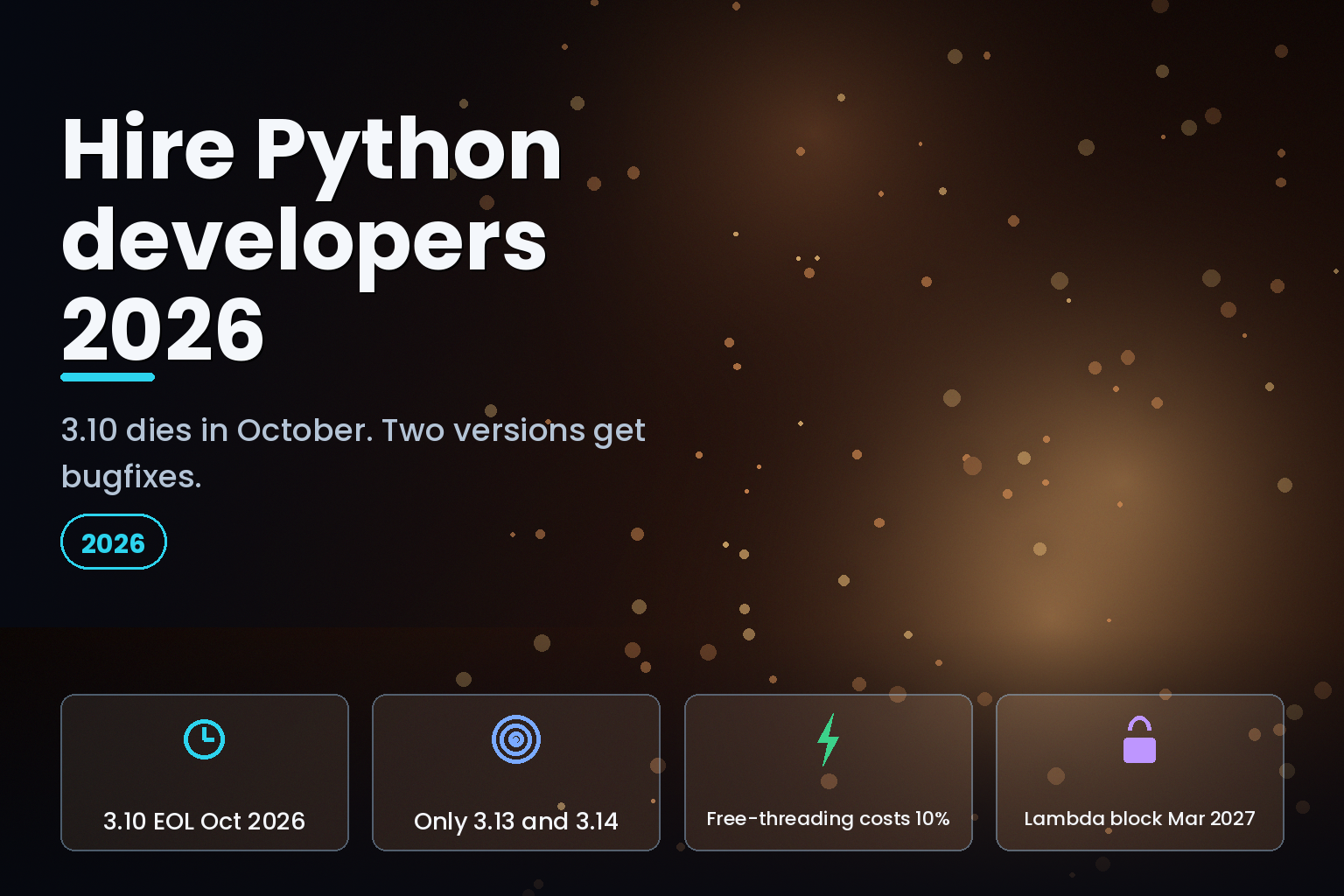
Hire Python developers in 2026: Python 3.10 dies in October and 15% are still on it
Python 3.10 goes end of life in October 2026, 3.11 and 3.12 are already security-only with no binary installers, and free-threaded Python became officially supported in 3.14. Here is how those dates shape a Python
Manu Shukla -
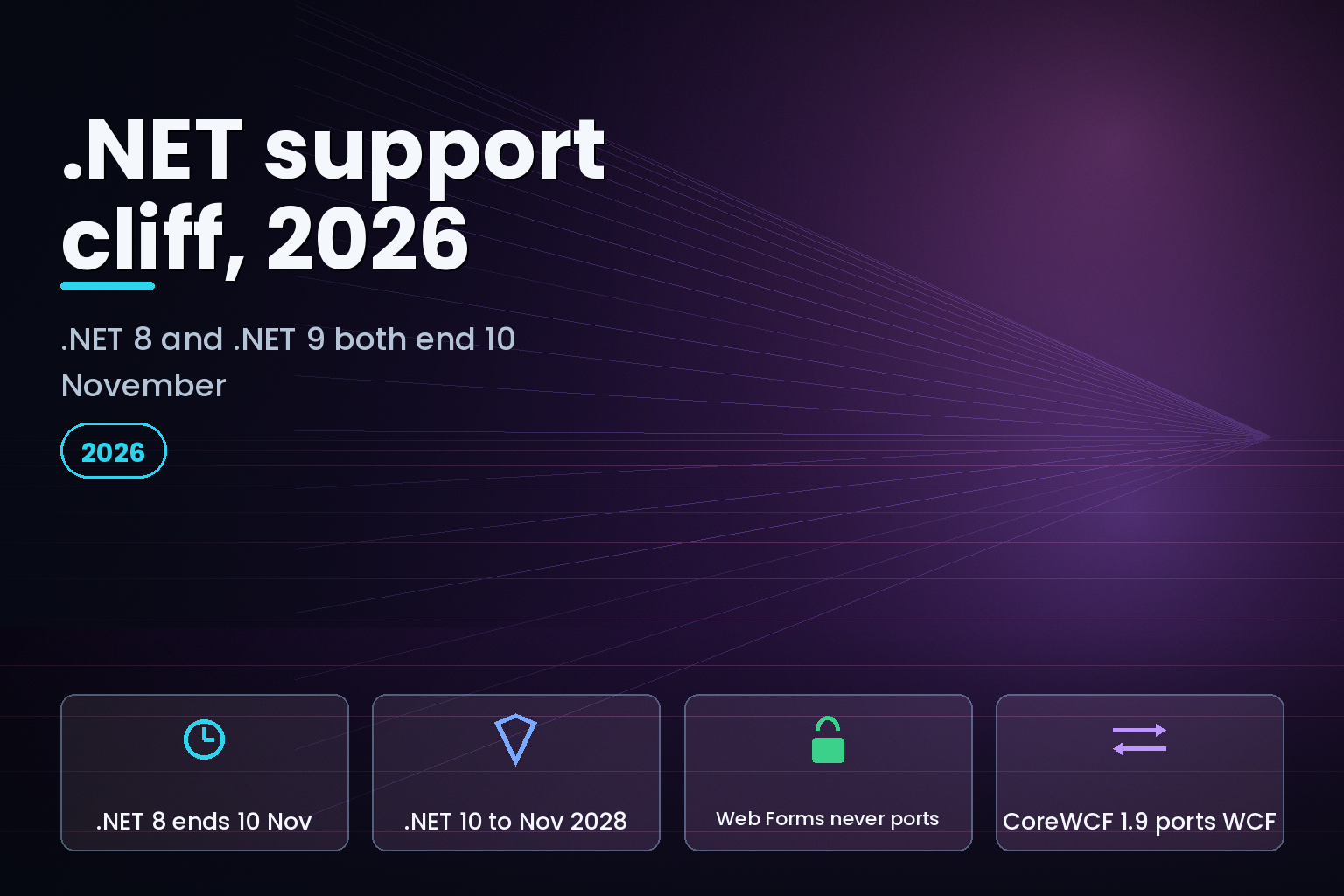
.NET development company: choosing a partner before the 10 November 2026 support cliff
Both .NET 8 (LTS) and .NET 9 (STS) reach end of support on the same day, 10 November 2026. .NET Framework 4.6.2 follows on 13 January 2027, and the .NET Upgrade Assistant has been deprecated. What that means when you
Manu Shukla -
Java development company: the September 2026 licensing cliff and how to choose a partner
Java 17 Premier support ends in September 2026 and JDK 21 updates released after that month move from the free No-Fee Terms licence to the Oracle Technology Network licence. Oracle's published list price is $15 per
Manu Shukla -
Internal developer platform build service: Backstage, ArgoCD and Crossplane golden paths for Indian teams in 2026
CNCF's Q1 2026 Technology Radar places Backstage, Helm and kro in Adopt, and just 28% of surveyed organisations run a dedicated platform team. Here is how to build an internal developer platform that engineers use
Manu Shukla -
RBI's device-locking directions take effect 1 January 2027: 8 engineering changes lending apps need
On 6 August 2026 the RBI issued nine Amendment Directions covering how regulated entities deploy technology-based recovery on a borrower's financed mobile device. They take effect 1 January 2027. Here is the engineering
Manu Shukla -
Superblocks 3.0 on AWS vs building internal tools yourself: the 2026 build-vs-buy math
Superblocks 3.0 runs inside your own AWS VPC with inference on Amazon Bedrock, from $100 a month billed annually. We break down the real build-vs-buy math for internal tools in 2026, including the costs neither side
Manu Shukla -
The 3-week technical discovery sprint that stops app builds failing in 2026
AI coding agents made writing software cheap and unclear intent expensive. CISQ puts poor software quality at $2.41 trillion a year in the US. Here is what a 3-week discovery sprint produces, and when to skip it.
Manu Shukla -
Govtech app development in India 2026: the 4 gates every citizen-services build must clear
Indian government websites and apps are held to GIGW 3.0, which adds 17 WCAG 2.1 success criteria, a CERT-In cybersecurity chapter and STQC Website Quality Certification. Here is what those four gates change about how
Manu Shukla -
npm supply-chain hardening in 2026: 9 controls to ship after the keyv worm
On 4 August 2026 a worm published poisoned versions of keyv and cacheable carrying valid npm provenance. Rotating credentials first triggers a dead-man's switch. Nine controls for Node-heavy teams, and what npm v12 does
Manu Shukla -
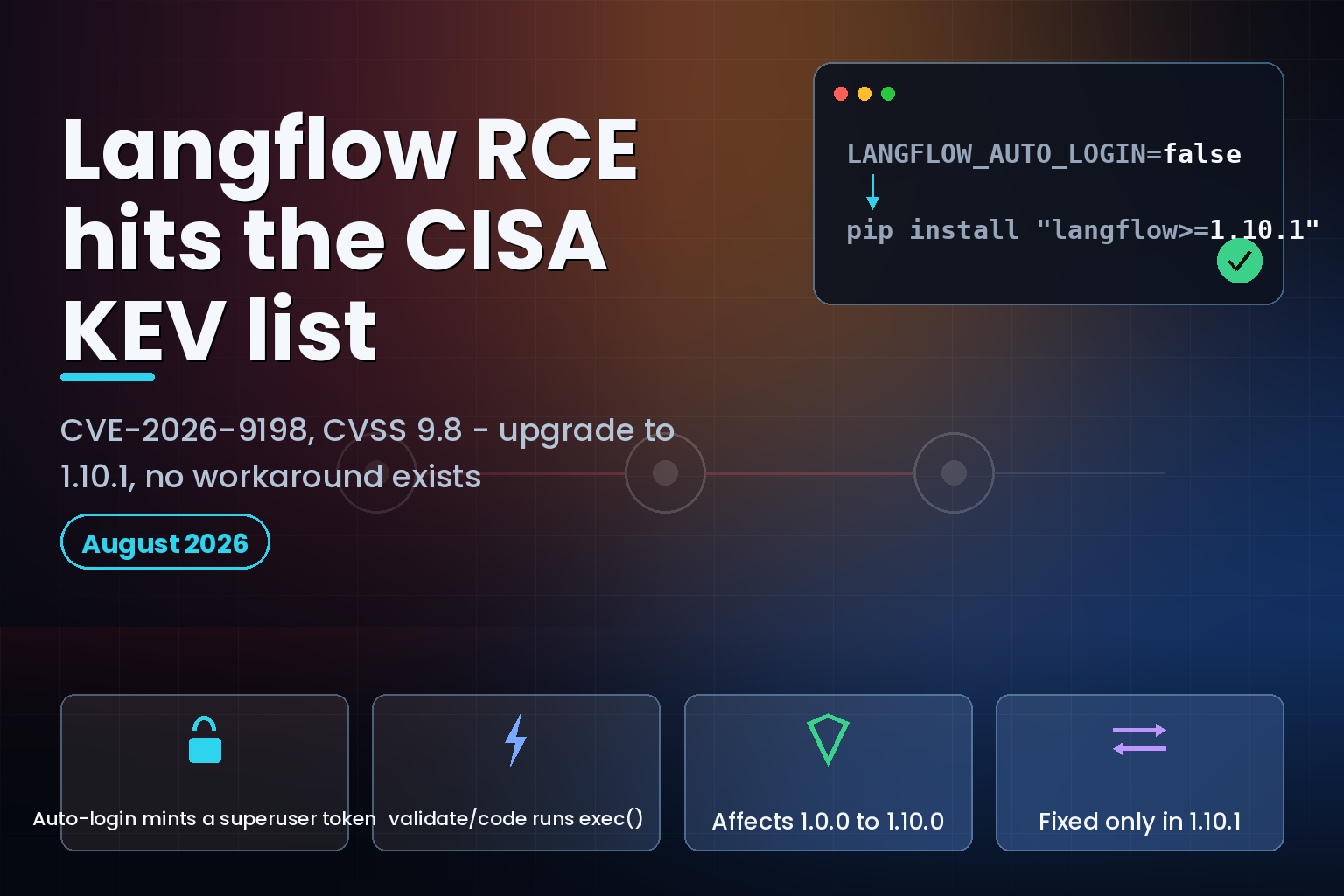
Langflow CVE-2026-9198 entered the CISA KEV list on 4 August 2026: patch to 1.10.1 and close 3 gaps
CVE-2026-9198 chains two Langflow API endpoints into unauthenticated remote code execution on default deployments. IBM rates it CVSS 9.8, CISA calls it exploited, and the fix is a version bump plus three configuration
Manu Shukla -
5 Claude API deadlines between 17 August and 24 November 2026, and the 400 errors that arrive first
Anthropic gave 31 days' notice on the Workbench retirement and has shipped four 400-error surfaces on current models. Here are five dated Claude API deadlines to 24 November 2026, and the request changes each needs.
Manu Shukla -
Microsoft 365 integrations 2026: 3 failure modes and what Graph work costs
Microsoft Graph caps each app at 130,000 requests per 10 seconds, and EWS is gone by 1 April 2027. Here is how to cost and buy Microsoft 365 integration work that outlives the next deprecation.
Manu Shukla -
SEBI CSCRF in 2026: the 23-parameter index and 3 mandates that quietly became optional
CSCRF is written as a compliance framework and lands as an engineering programme: a SOC, a 23-parameter capability index, an SBOM for every core system, CERT-In empanelled audits on a fixed calendar, and a 2-hour
Manu Shukla -
UPI's 30% app cap lands 31 December 2026: what Indian merchants should change in checkout now
NPCI's 30% market-share cap for any single UPI app is scheduled for 31 December 2026, and the top two apps were still at a combined 79% in May 2026. Here is what that means for merchant checkout, and the multi-PSP
Manu Shukla -
GitHub Copilot enterprise governance in 2026: 6 managed settings keys and the new team override rules
GitHub's managed-settings.json went GA on 1 July 2026 with 5 keys. By 3 August it gained per-team overrides and a separate model policy preview. Here is the file layout, the merge rules, and where the reference
Manu Shukla -
PostgreSQL 14 hits end of life on 12 November 2026: pick 17, 18, or wait for 19
PostgreSQL 14 gets its last community patch on 12 November 2026, and on Amazon RDS the paid clock starts 1 March 2027 at a published $0.100 per vCPU-hour. The real question is not whether to upgrade but which version
Manu Shukla -
RBI's 2026 e-mandate rules: 11 things your billing system must do
RBI's E-mandate Framework 2026 replaced eight circulars with one code. Two clauses are genuinely new, one disables your customer-set card controls, and the 24-hour pre-debit notice reshapes the billing scheduler.
Manu Shukla -
Splunk CVE-2026-20253: a 72-hour triage and remediation runbook
CVE-2026-20253 is the first Splunk vulnerability ever added to CISA's KEV catalog: an unauthenticated RCE via the PostgreSQL sidecar. Here is the version matrix, the temporary workaround, and an hour-by-hour SOC runbook.
Manu Shukla -
GitHub code scanning across 500 repos: a 2026 rollout that avoids alert overload
Turning code scanning on across a large estate is one afternoon of work and six months of alert triage. A new repository property changes the sequence, and the cost is per active committer, not per repository.
Manu Shukla -
CI secrets are readable from runner memory: the 2026 credential isolation architecture for GitHub Actions
Attackers force-pushed 75 of 76 trivy-action tags in March 2026 and stole secrets from every pipeline that ran a scan. Here is the credential isolation architecture that survives a poisoned action, with the exact GitHub
Manu Shukla -
GitHub Spark retires on 31 August 2026: your 26-day export window
GitHub closed Spark to new users on 4 August 2026 and gives existing builders until 31 August to export. The export hands you React and TypeScript source that still depends on four managed services you no longer have.
Manu Shukla -
GitLab to GitHub migration in 2026: the 7 things GEI will not move
GitHub Enterprise Importer reached general availability for GitLab sources on 3 August 2026, with a gh gl2gh CLI extension. It moves repositories, issues and merge requests. It does not move your pipelines.
Manu Shukla -
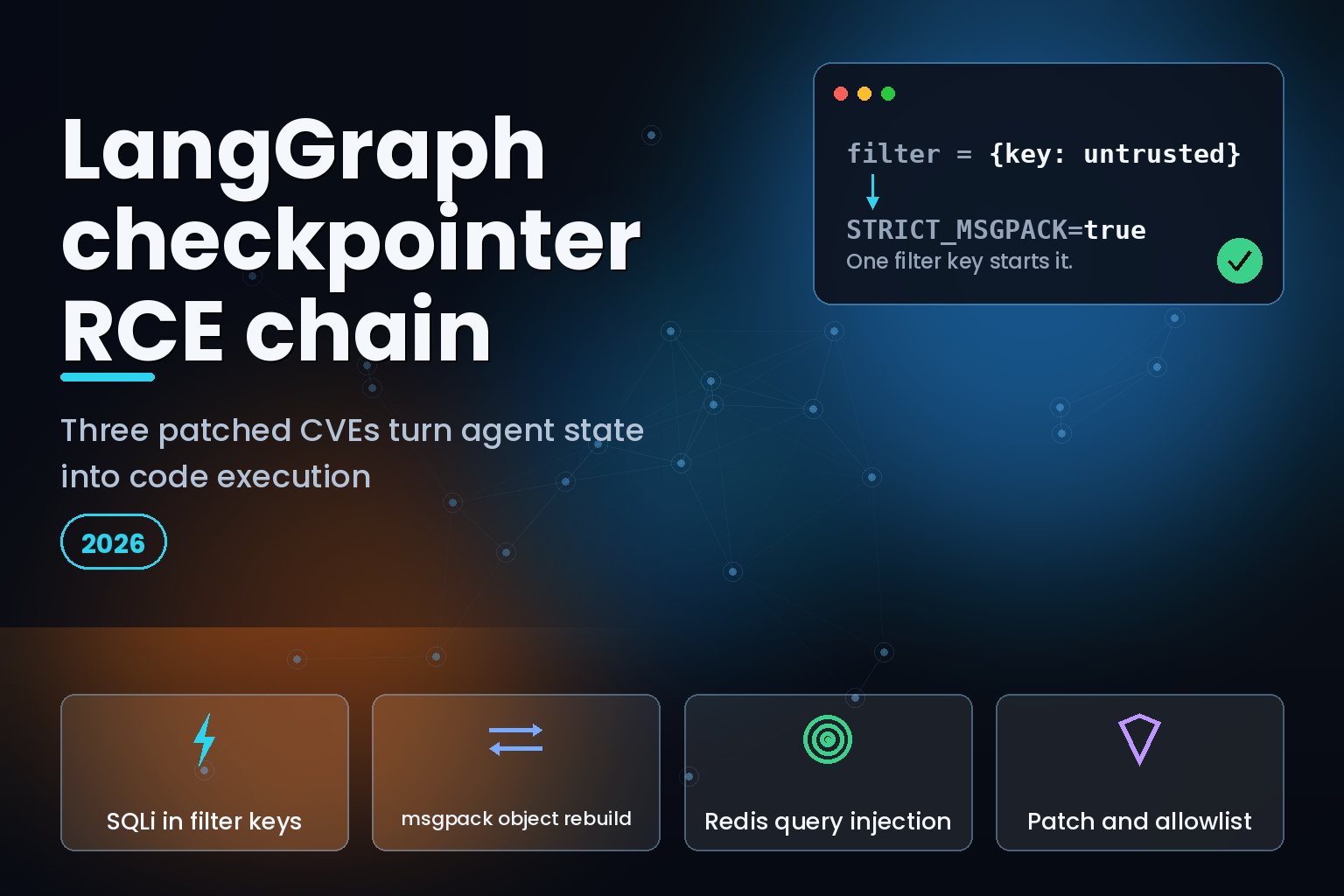
3 LangGraph CVEs chain to RCE: the checkpointer version matrix and a 30-minute audit
Check Point chained CVE-2025-67644 and CVE-2026-28277 from a metadata filter key to remote code execution on self-hosted LangGraph servers. Here is the version matrix and a 30-minute audit.
Manu Shukla -
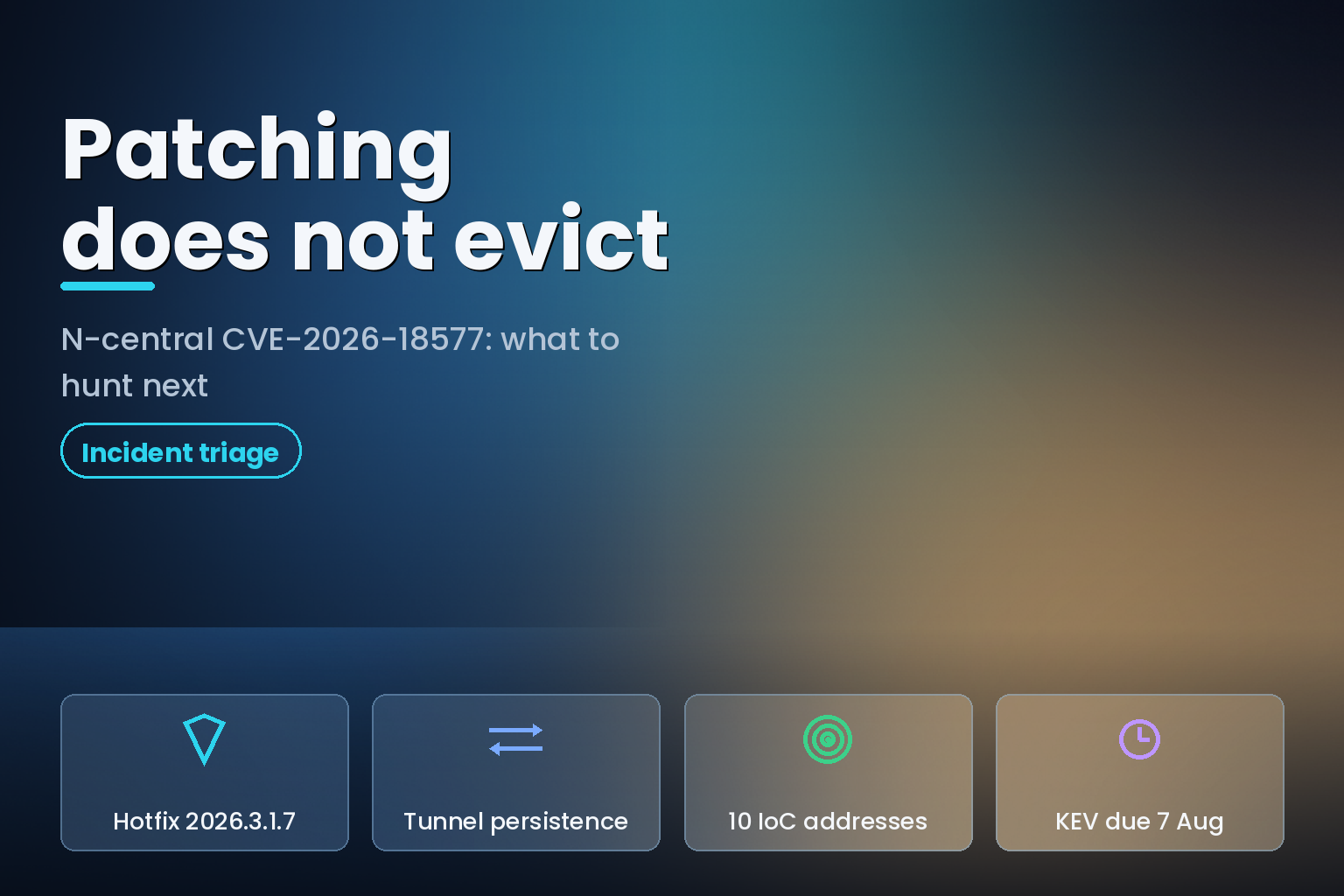
N-central CVE-2026-18577: 28.6% unpatched, and patching alone won't evict
N-able's N-central hotfix closes an authentication bypass that was exploited as a zero-day from 31 July 2026. It does not remove the tunnel service the attacker registered on your managed endpoints. Here is the order
Manu Shukla -
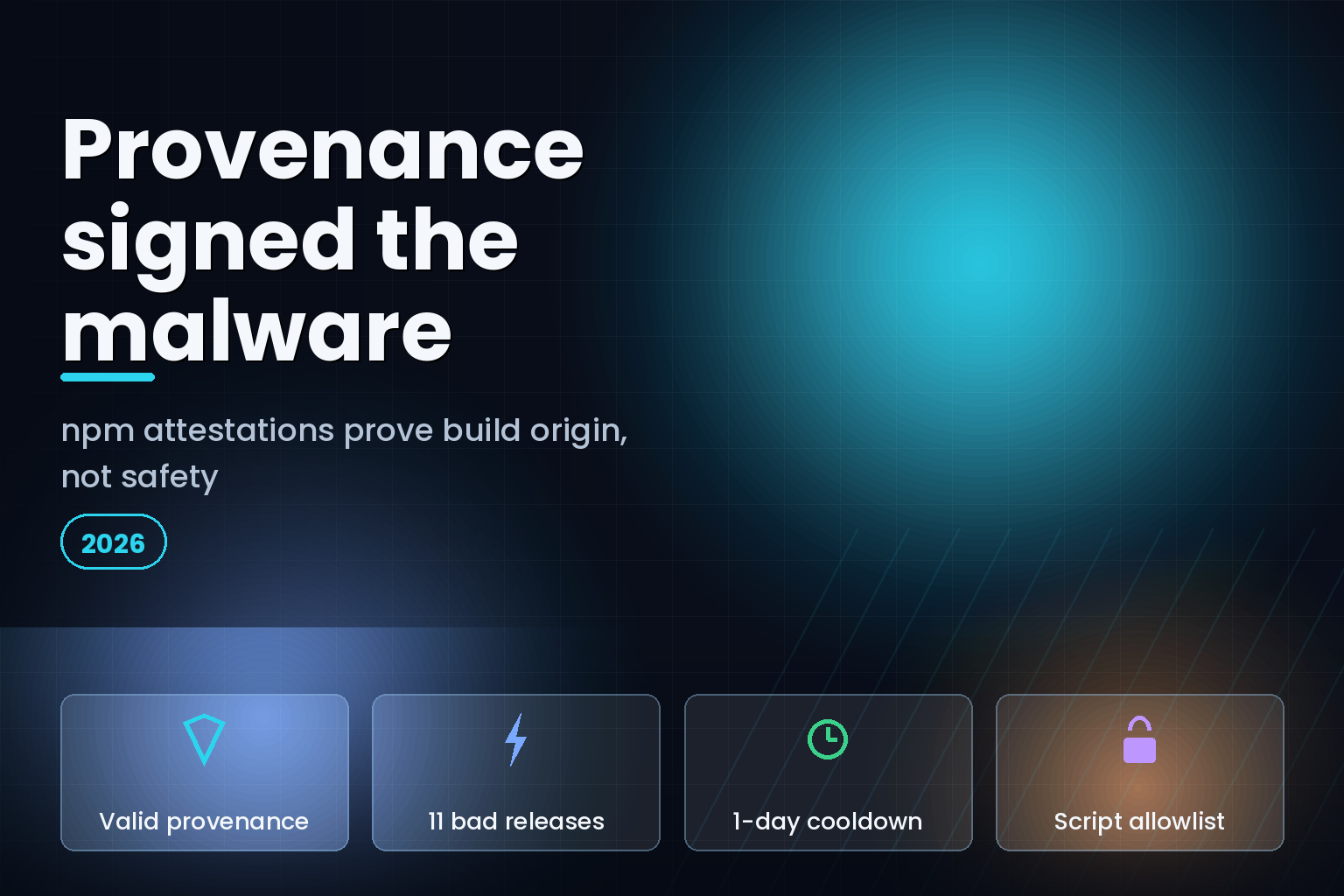
npm provenance signed the malware on 4 August 2026: what attestations prove and what a cooldown stops
Valid provenance signed keyv 6.0.0 on 4 August 2026, and eight malicious releases were still tagged latest 101 minutes later. What attestations prove, and the cooldown config for npm, pnpm, Yarn and Bun.
Manu Shukla -
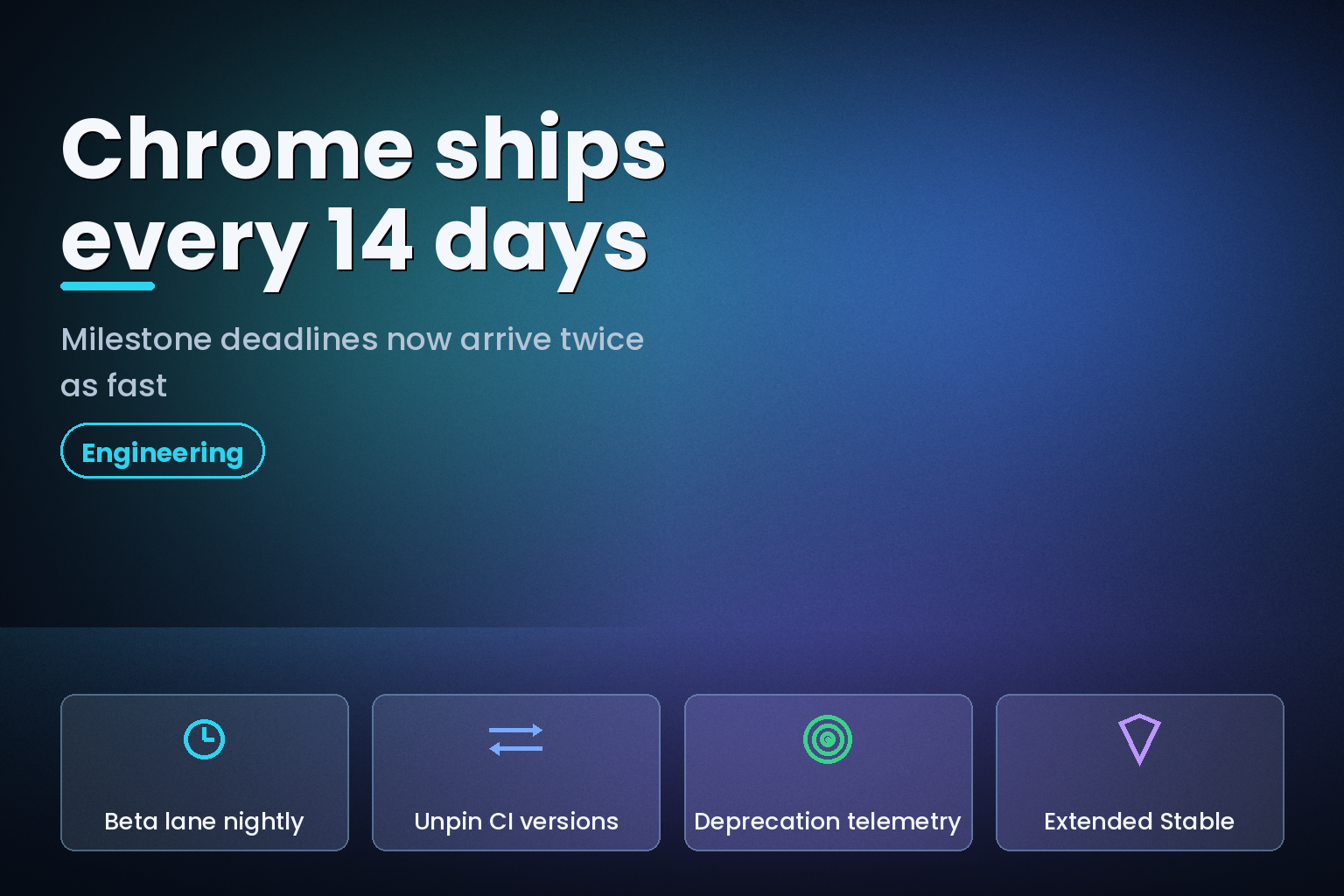
Chrome ships every 14 days from 8 September 2026: the release-cadence playbook for web and QA teams
From Chrome 153 on 8 September 2026, a new major Chrome lands every two weeks instead of every four. Every milestone-numbered deprecation deadline in your backlog just moved forward in calendar time.
Manu Shukla -
Block device-code phishing in 2026: the Entra ID, Okta, GitHub and Google Workspace settings
Push Security tracks 25-plus device-code phishing kits and a 37.5x rise in phishing pages by April 2026. Passkeys do not help. Here are the settings that do, per platform.
Manu Shukla -
BRSR Core reaches the top 1000 in FY2026-27: build the ESG data platform now
SEBI's BRSR Core phasing reaches the top 1000 listed entities in FY2026-27. What the data platform behind nine ESG attributes has to do, and why your assurance provider cannot build it for you.
Manu Shukla -
First-party CDP for Indian teams in 2026: build it consent-aware before the November deadline
India's DPDP Rules were notified on 13 November 2025 with a three-phase timetable: consent managers in November 2026, substantive obligations in May 2027. How to build a first-party CDP that survives both.
Manu Shukla -
7 deadlines now set your 2026 release calendar: building CI/CD that absorbs them
Between 31 August 2026 and 17 August 2027, seven upstream deadlines land on the same engineering team. A release platform that absorbs them beats a quarterly scramble, and the difference is mostly plumbing.
Manu Shukla -
GitHub Actions runner enforcement: 24 August brownouts, 25 September cutoff
GitHub resumes minimum version enforcement for self-hosted runners on 25 September 2026, with brownouts from 24 August. How to inventory a fleet, fix each runner type, and avoid the 30-day trap.
Manu Shukla -
A 3-hour takedown hit GitHub in 2026: the safe-harbour engineering checklist
India's takedown regime now runs on a 36-hour statutory clock that in practice compresses to hours. This is what an intermediary has to build to keep safe harbour, not what a lawyer has to argue afterwards.
Manu Shukla -
42 poisoned npm versions: the keyv worm containment runbook for 4 August 2026
A hijacked maintainer account pushed Shai-Hulud malware into the keyv and cacheable npm family on 4 August 2026, with valid GitHub Actions provenance. Here is the containment order for the first 90 minutes.
Manu Shukla -
Apache Iceberg vs Delta Lake in 2026: choosing the open table format for your lakehouse
The open table format is the most consequential lakehouse decision, and in 2026 the answer is no longer obvious. Iceberg v3, Delta UniForm and catalog federation are pulling the two formats together. Here is where each
Manu Shukla -
AWS serverless integration testing in 2026: 3 local setups that actually work
AWS marked Step Functions Local unsupported and LocalStack made its auth token mandatory in 2026.03.0. Here are the three local integration-testing setups that still work, with commands, licence costs and gaps.
Manu Shukla -
CIAM costs in 2026: what a passkey-ready customer login runs from 10,000 to 950,000 users
The FIDO Alliance counts 5 billion passkeys in use and a 93% sign-in success rate against 63% for older methods. Here is what a passkey-ready login costs to run at 10,000 and 950,000 monthly active users, and where
Manu Shukla -
8 GSTN validations went live on 1 August 2026: the ship-to GSTIN changes your ERP must ship
GSTN's advisory of 17 June 2026 put eight new validations into production on 1 August 2026. Error 5002 rejects an IRN with ship-to details and no GSTIN. Here is the field-by-field engineering work.
Manu Shukla -
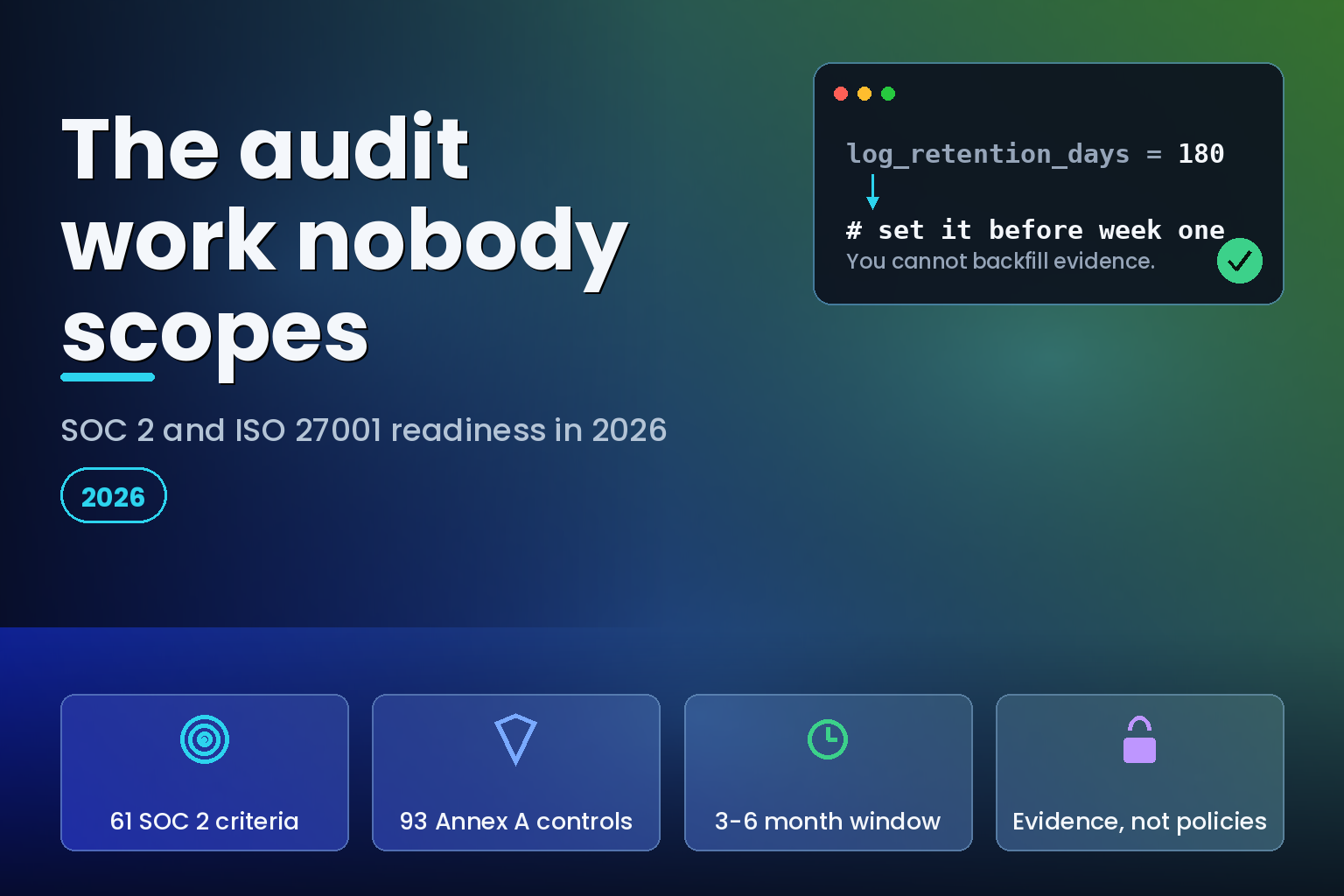
SOC 2 and ISO 27001 readiness in 2026: the engineering work nobody scopes
A compliance platform collects evidence. It cannot create the logging retention, the SCIM deprovisioning, the tested restores or the change trail that the evidence is supposed to come from. This is the engineering half
Manu Shukla -
EU Cyber Resilience Act: 24-hour vulnerability reporting starts 11 September 2026
The EU Cyber Resilience Act's reporting duties begin 11 September 2026: 24-hour early warning, 72-hour notification, 14-day final report via ENISA's Single Reporting Platform. What manufacturers must build now.
Manu Shukla -
MDTI retired on 1 August 2026: an 8-step Defender XDR and Sentinel migration checklist
Standalone Microsoft Defender Threat Intelligence stopped being sold on 1 August 2026 and access now needs a Defender or Sentinel licence. Here is what moved, what breaks, and the eight checks to run now.
Manu Shukla -
39 days to Project Online's shutdown: the export-first PMO plan
Project Online retires at 8:00 AM PT on 30 September 2026. With under six weeks left, the 12-to-16-week migration no longer fits. Export your data first, then rebuild on the other side.
Manu Shukla -
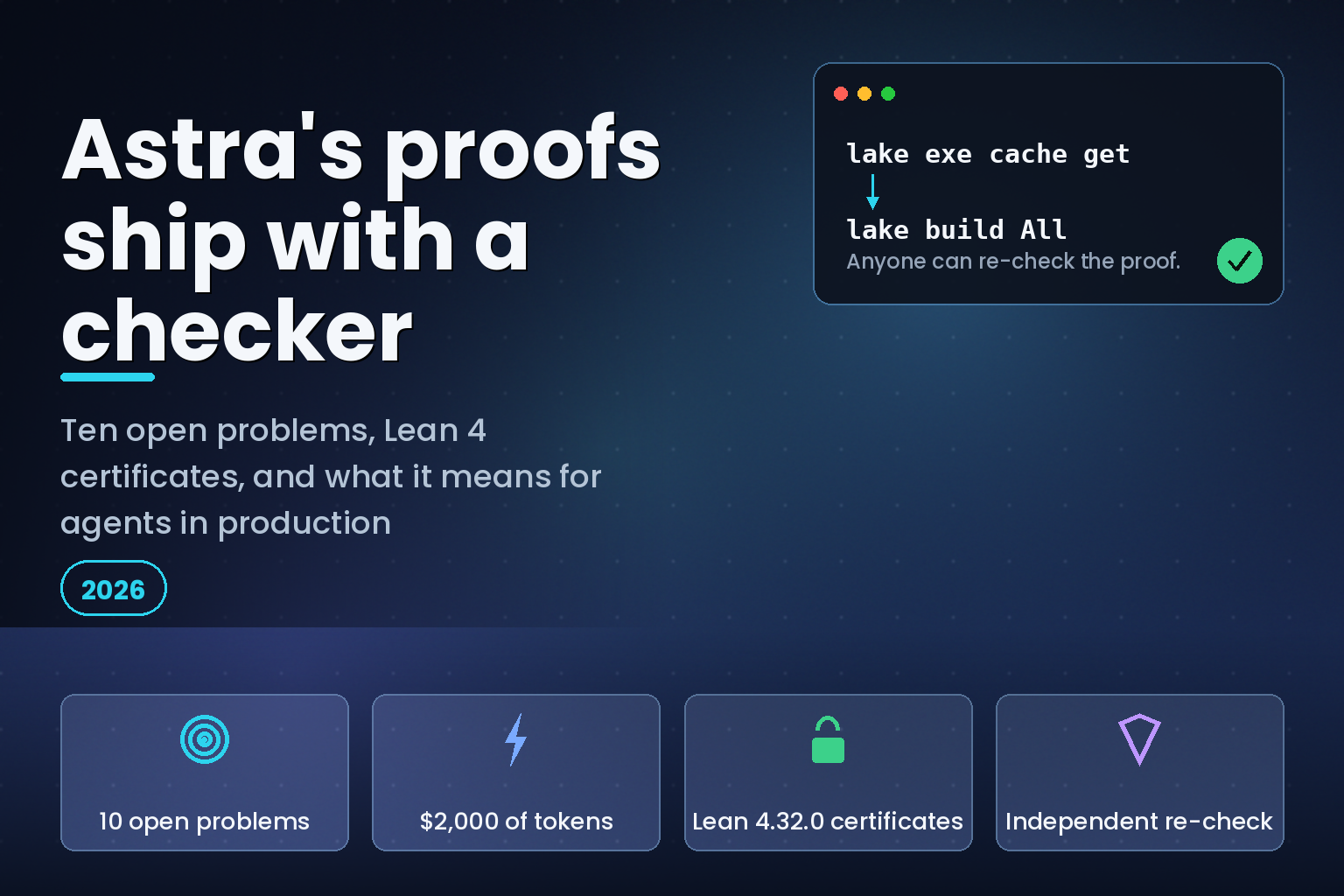
OpenAI's Astra solved 10 open problems for $2,000: the lesson is the verifier
OpenAI published ten new mathematical results on 1 August 2026, produced by an internal Astra model for roughly $2,000 in tokens. The transferable lesson is not the model: every result shipped with a machine-checkable
Manu Shukla -
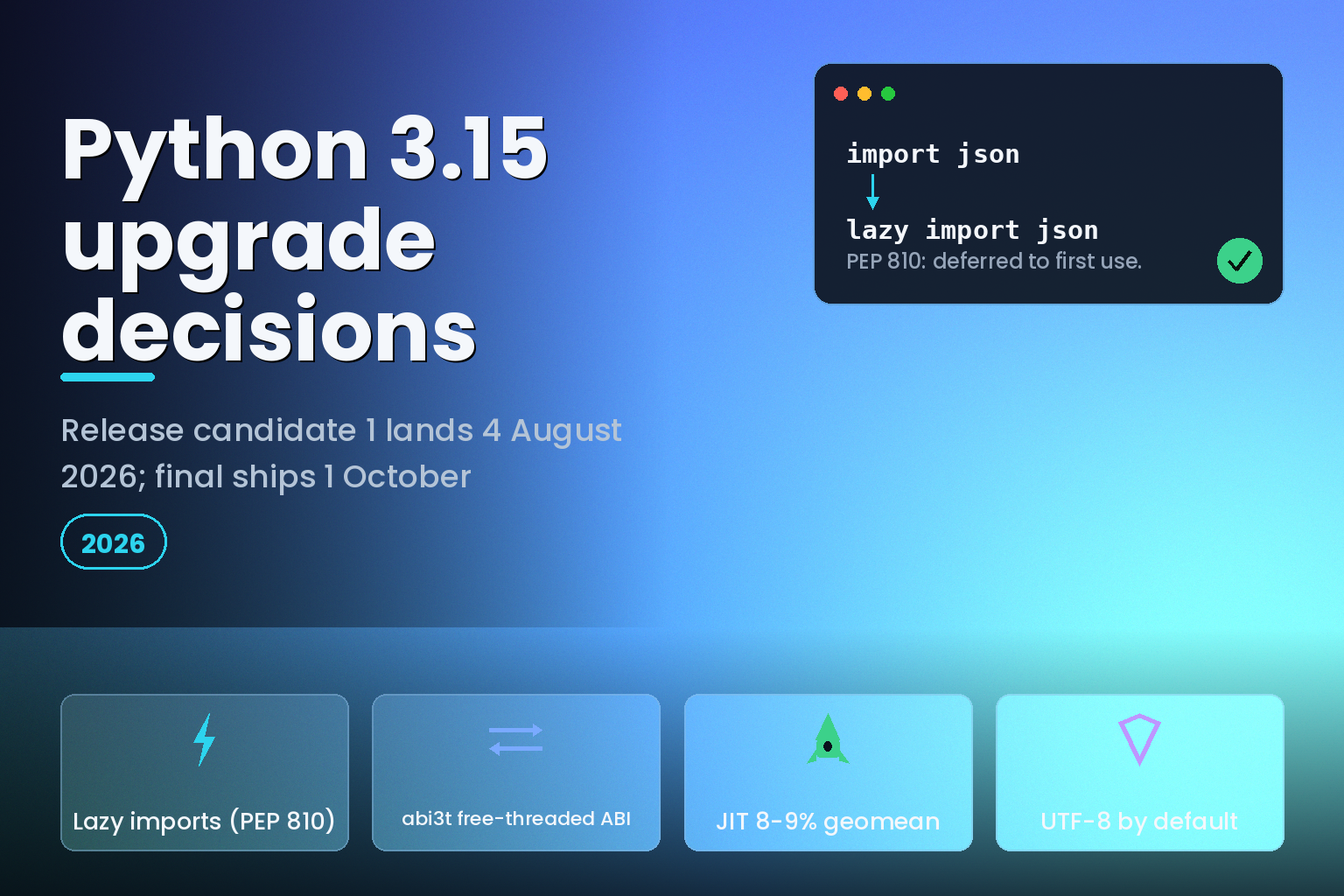
Python 3.15 upgrade guide: lazy imports, the abi3t wheel break and a JIT worth 8-9%
Python 3.15 reaches release candidate 1 on 4 August 2026 and ships 1 October. The four changes that cost real engineering time: PEP 810 lazy imports, the abi3t ABI, UTF-8 defaults, and an 8-9% JIT.
Manu Shukla -
Zero-ETL Lakehouse in 2026: Should You Unify OLTP and Analytics on Databricks LTAP or Snowflake Postgres?
Databricks LTAP unifies transactions and analytics on one copy of data in the lake; Snowflake answers with Snowflake Postgres and Unistore. How each kills the ETL pipeline, and which fits your stack in 2026.
Manu Shukla -
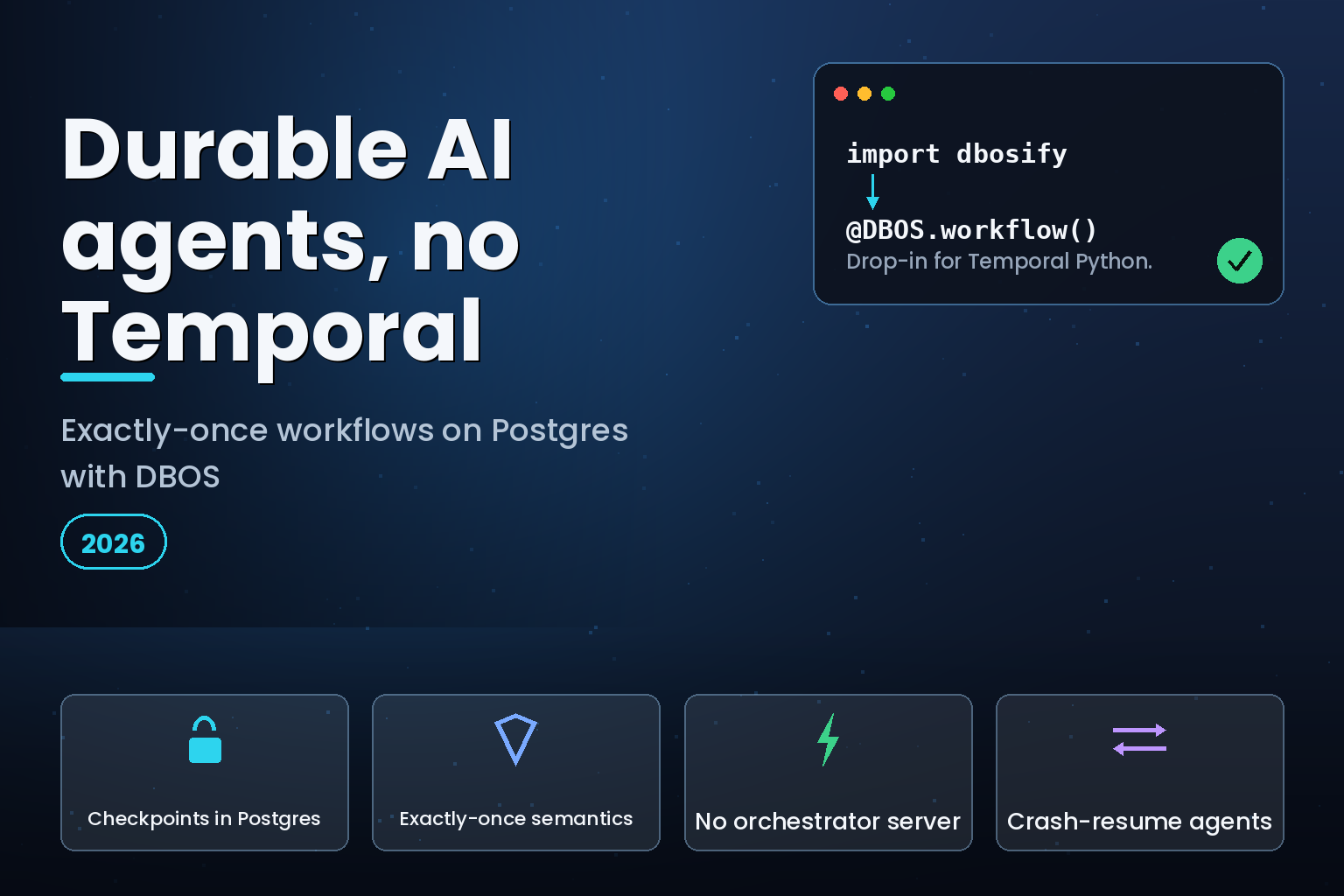
Durable AI agents without Temporal: exactly-once workflows on Postgres with DBOS (2026)
DBOS makes AI agents durable by checkpointing every step to Postgres, so a crashed agent resumes where it left off, no Temporal server. How it works, the July 2026 releases, code, and when Temporal still wins.
Manu Shukla -
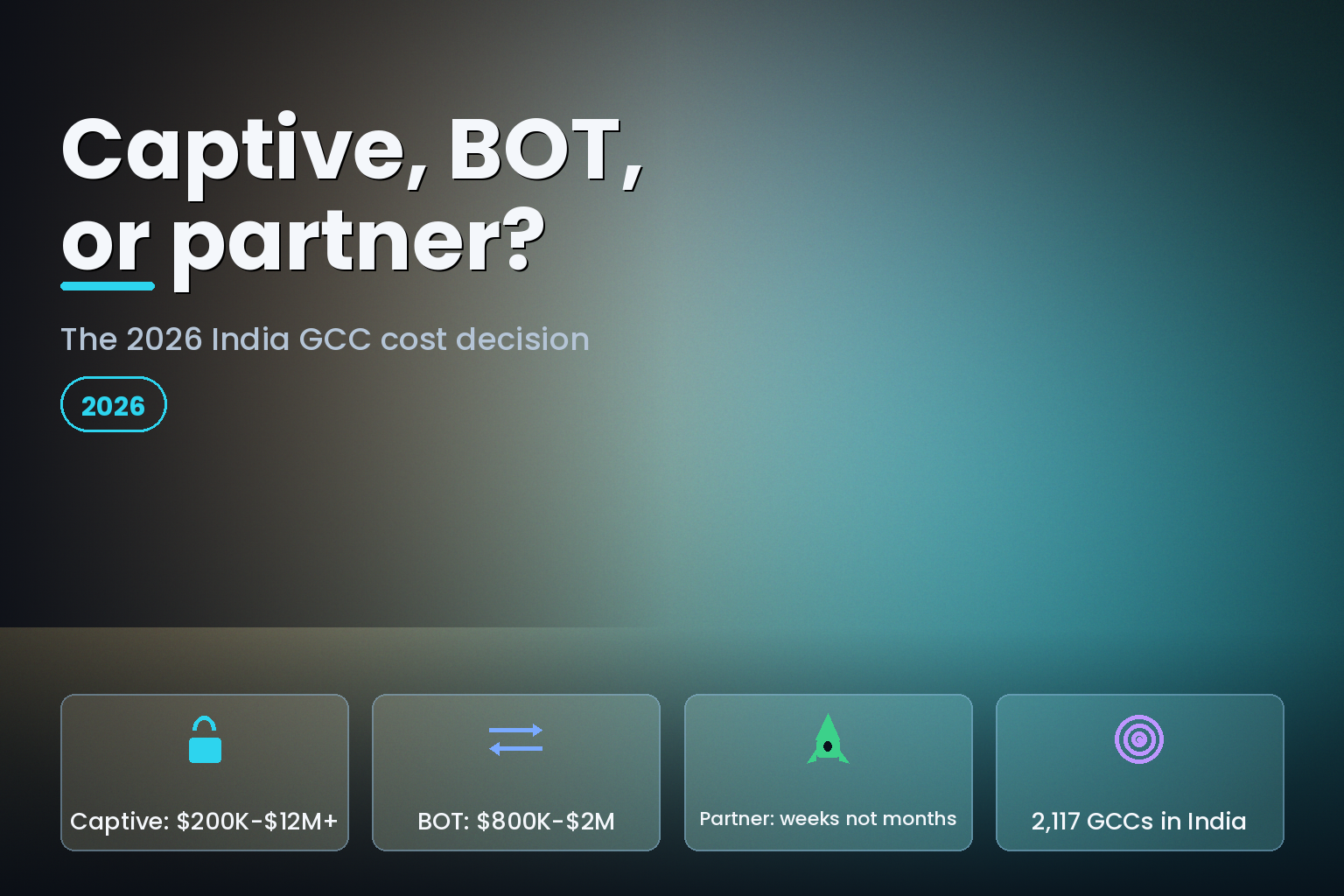
GCC setup cost in India 2026: BOT vs captive and the per-engineer economics
A captive GCC in India runs $200,000 to $12M+, and a build-operate-transfer deal $800,000 to $2M over 18 to 24 months. Here is the 2026 cost breakdown across captive, BOT, and dedicated-team paths, plus the per-engineer
Manu Shukla -
Oracle's July 2026 Critical Patch Update: how to triage 1,400+ fixes by trust boundary
Oracle's largest-ever Critical Patch Update landed 1,400+ patches, ten CVSS 10.0 flaws and a PeopleSoft zero-day already exploited. How to triage by exposure before the October 2026 CPU.
Manu Shukla -
2 actively exploited SharePoint RCEs (CVE-2026-50522, CVE-2026-58644): patch, rotate keys, hunt persistence
Two unauthenticated SharePoint Server RCEs, CVE-2026-50522 and CVE-2026-58644 (both CVSS 9.8), are exploited in the wild. Patching alone will not evict an attacker who stole your machine keys.
Manu Shukla -
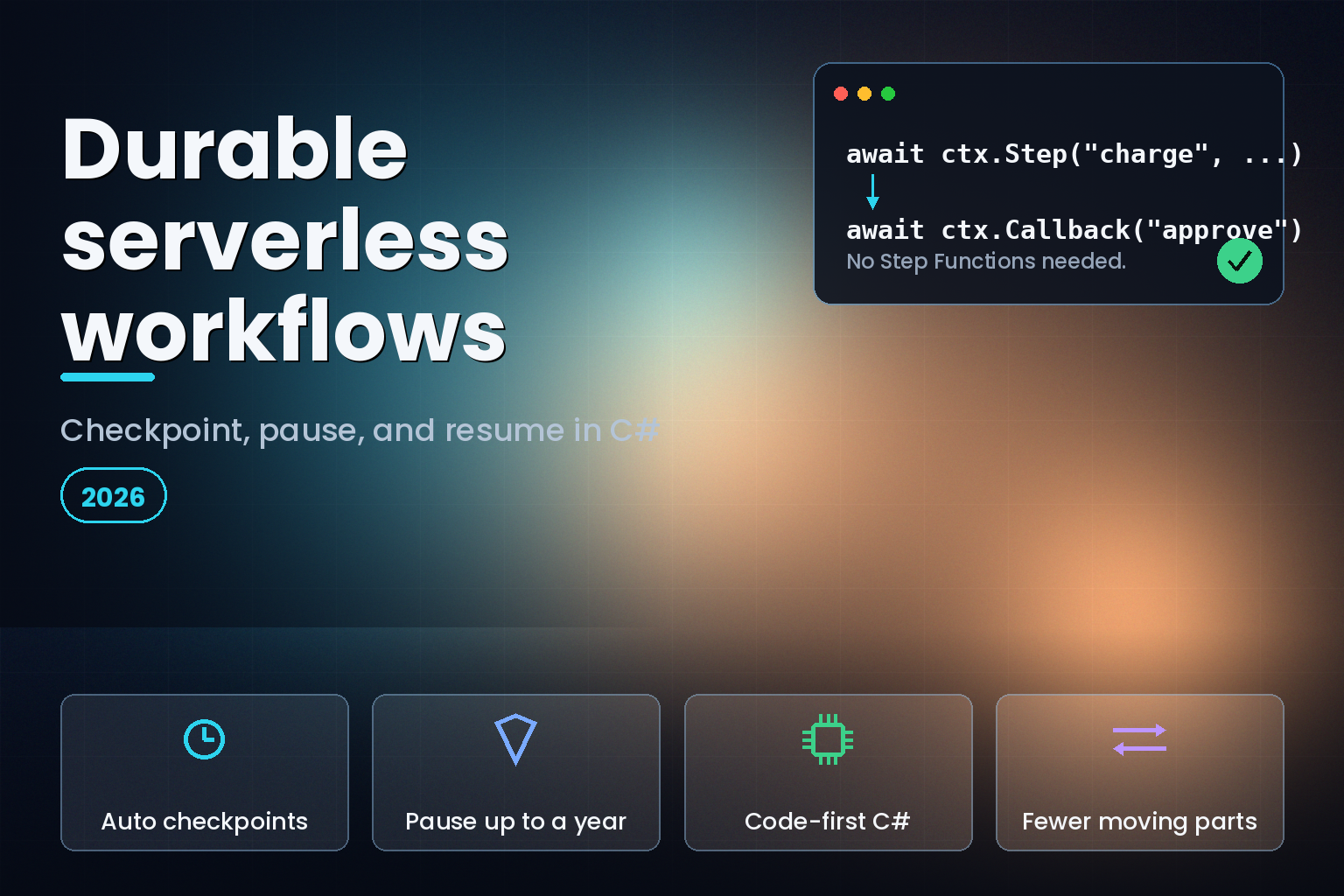
AWS Lambda durable execution for .NET: long-running C# workflows without Step Functions (2026)
AWS made the Lambda durable execution SDK for .NET generally available on 23 July 2026. See how C# durable functions checkpoint progress, pause up to a year, and where they beat Step Functions.
Manu Shukla -
AZ-204 retired on July 31, 2026: your Azure AI-200 vs AB-410 path
Microsoft retired exam AZ-204 on July 31, 2026. The Azure developer path now runs through AI-200 (Azure AI Cloud Developer Associate), while AB-410 replaces PL-200 for low-code builders. Here is which one fits your
Manu Shukla -
DPDP data residency in 2026: the compliant multi-region cloud architecture for India
India notified the DPDP Rules in November 2025, with core obligations 18 months out and penalties up to ₹250 crore. The data-residency and multi-region cloud architecture Indian teams should build now.
Manu Shukla -
OpenAI Codex Security CLI in CI: the 2026 setup and the gated-engine catch
OpenAI's Codex Security CLI is Apache-2.0 open source, but it calls a gated, metered engine. How to install it, wire it into CI with exit codes and SARIF, and where it fits next to Semgrep, CodeQL and Snyk.
Manu Shukla -
Redact PII before it reaches the LLM: a 2026 DPDP-ready build guide
A code-level build guide for stripping personal data before it reaches an LLM: detection engines compared, reversible tokenization, India identifier patterns, and where the DPDP Act 2023 raises the stakes to a 250 crore
Manu Shukla -
60 hours to halve a post-quantum cipher: a 2026 crypto-agility playbook
In July 2026 Anthropic's Claude Mythos Preview halved a post-quantum signature candidate's security margin and sped a reduced AES attack 200-800x. No production system broke, but the direction of travel is the story
Manu Shukla -
Gemini 3.5 Flash Cyber, 2026: the vuln-hunting AI you can't buy, and what AppSec can use instead
On July 21, 2026, Gemini 3.5 Flash Cyber found 55 unique V8 vulnerabilities to Claude Opus 4.6's 36, then shipped only to governments and trusted partners. What the gated launch signals, and what AppSec teams can use
Manu Shukla -
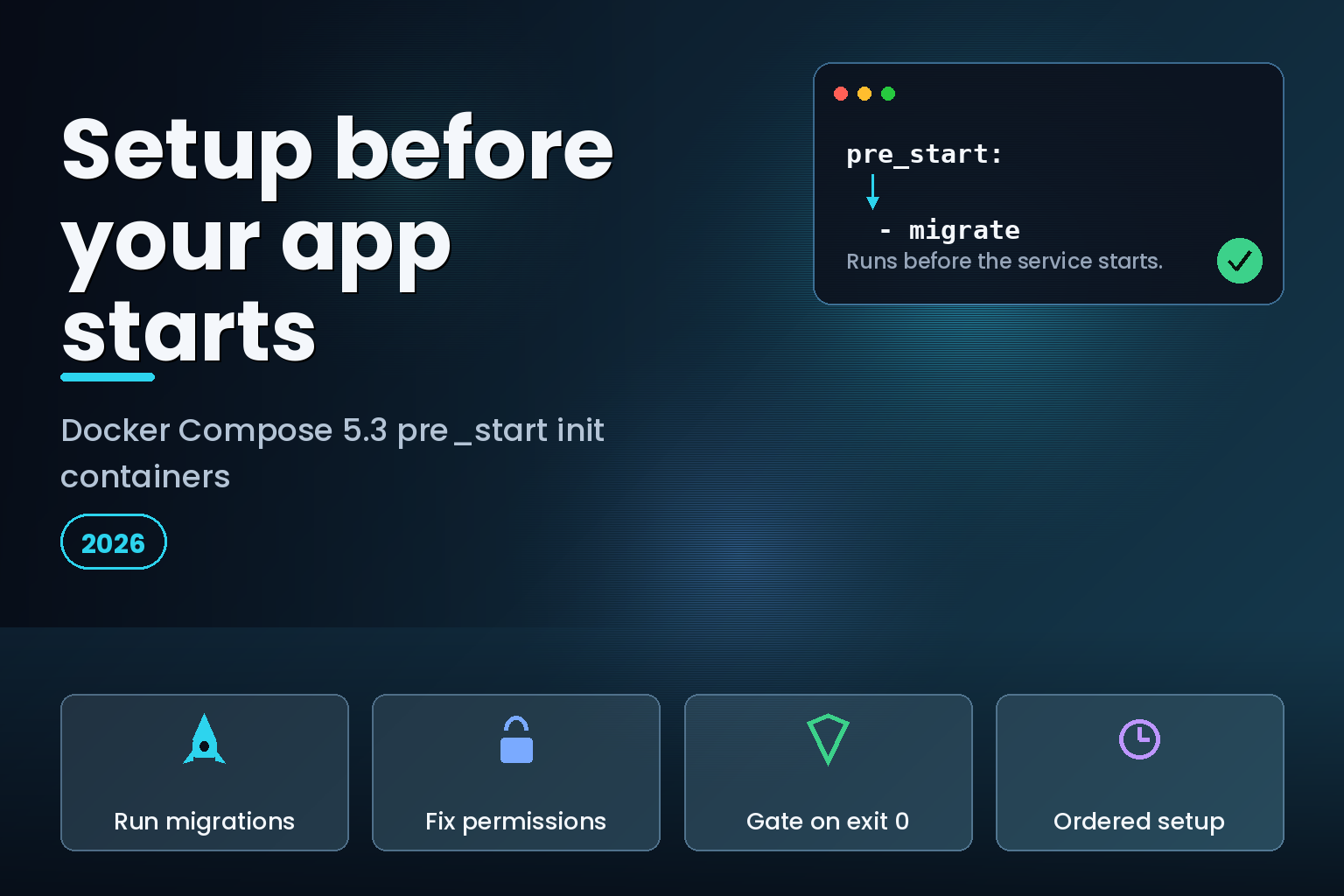
Docker Compose 5.3 init containers: run setup before your app starts (2026 guide)
Docker Compose 5.3.0 (2 July 2026) adds pre_start init containers that run migrations, fix permissions, and generate config before a service boots, gating startup on exit 0. Four copy-paste patterns inside.
Manu Shukla -
GitHub Dependabot malware alerts now cover npm, PyPI and more: how to turn them on (2026)
On 28 July 2026 GitHub began ingesting OpenSSF malicious-packages advisories, so Dependabot malware alerts now cover npm, PyPI and more. Here is how to enable them and respond when one fires.
Manu Shukla -
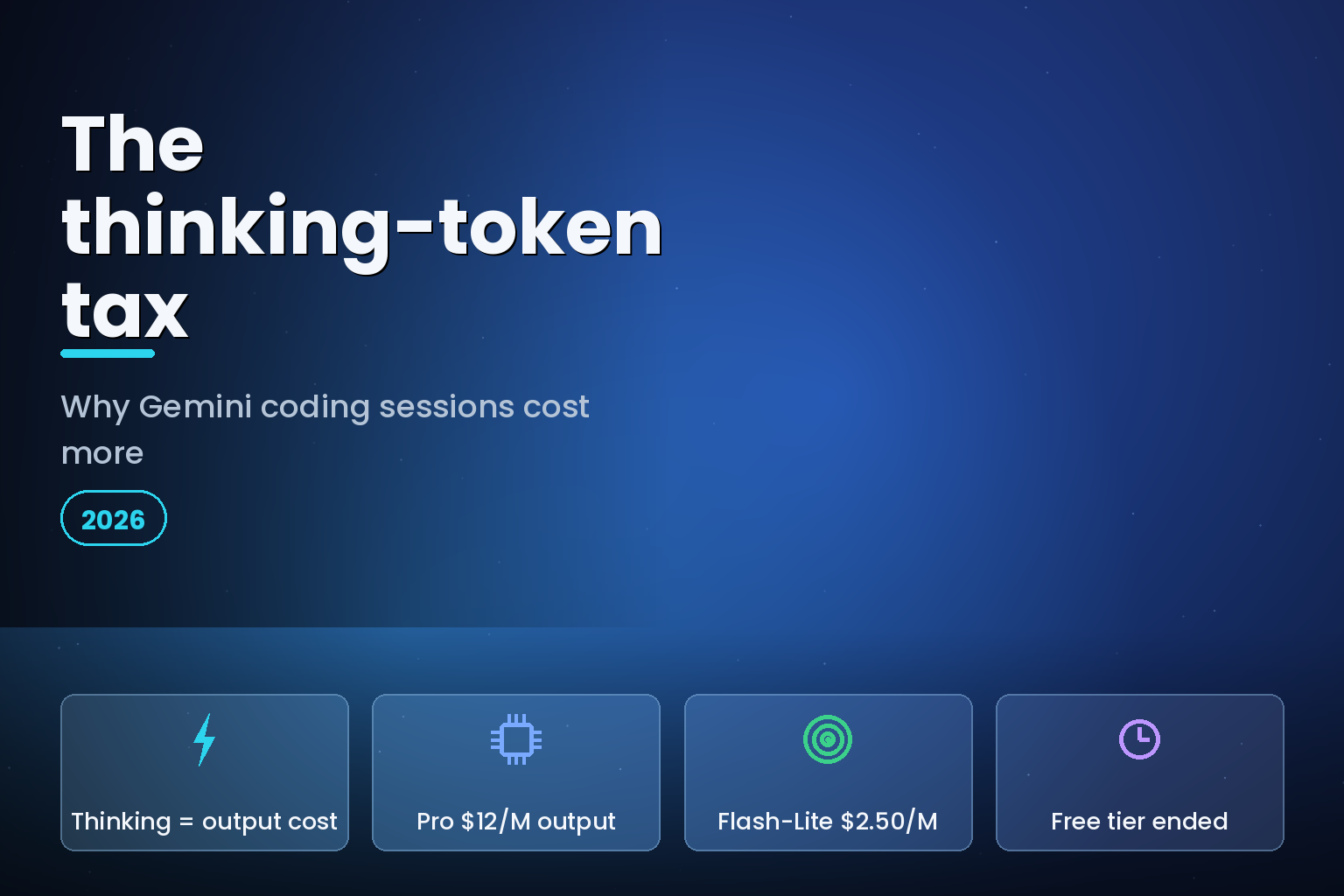
Gemini Code Assist and CLI thinking-token costs: how to stop a coding session from burning $100 a day (2026)
Gemini charges thinking tokens at the output rate, which is why a reasoning-heavy coding session on Gemini 3.1 Pro can burn cash fast. Since the free Code Assist and CLI tiers ended on June 18, 2026, that spend is now
Manu Shukla -
MCP Tasks in 2026: build long-running, resumable agent tools
MCP's 2026-07-28 release candidate makes Tasks an official extension for long-running work. How a server returns a task handle and a client drives it with tasks/get, tasks/update and tasks/cancel.
Manu Shukla -
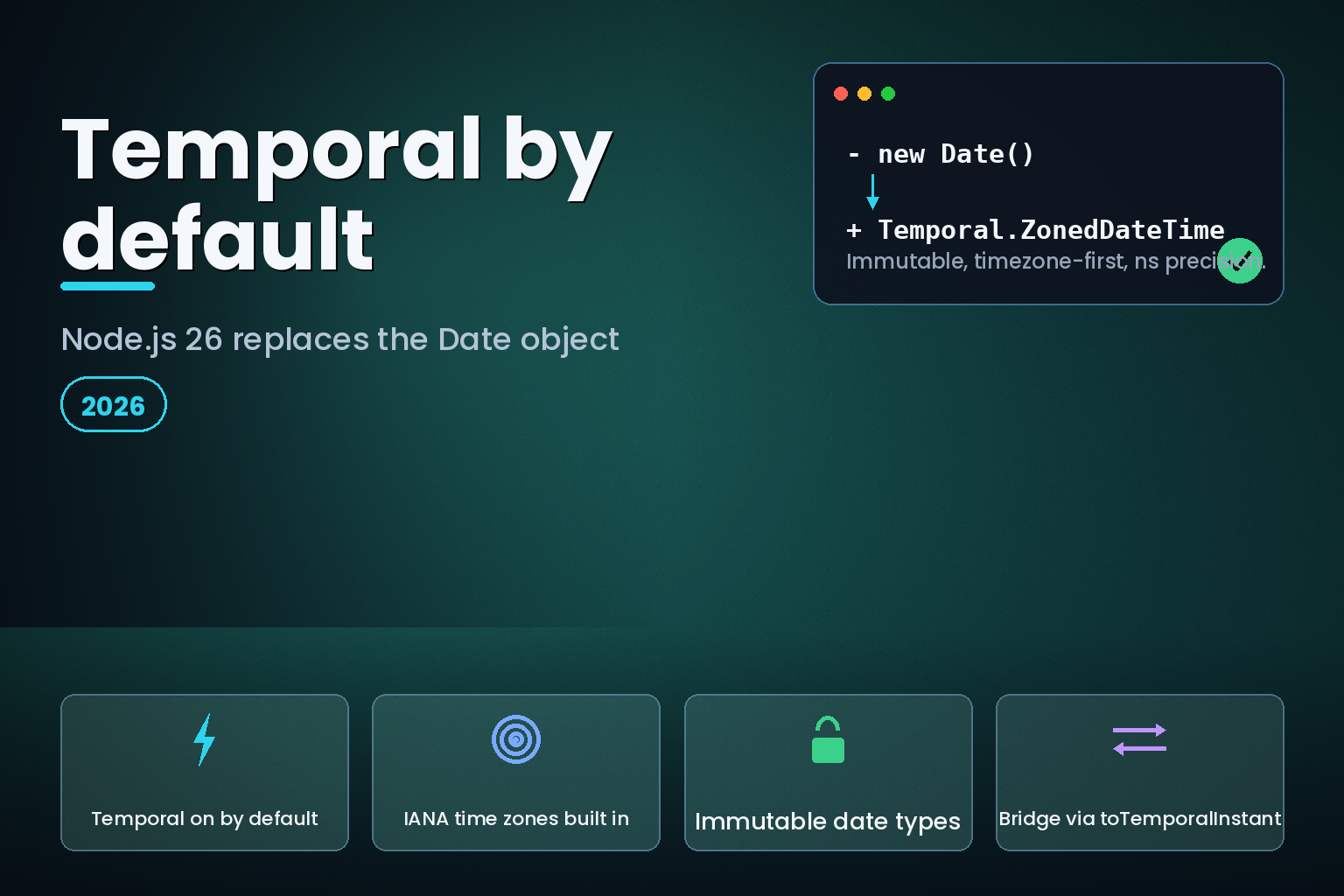
Node.js 26 makes Temporal the default: replace Date in 2026 (with code)
Node.js 26 enabled the Temporal API by default on May 5, 2026, and Temporal reached TC39 Stage 4 in March. Here is a working guide to move off the Date object: the types that matter, a Date-to-Temporal migration map
Manu Shukla -
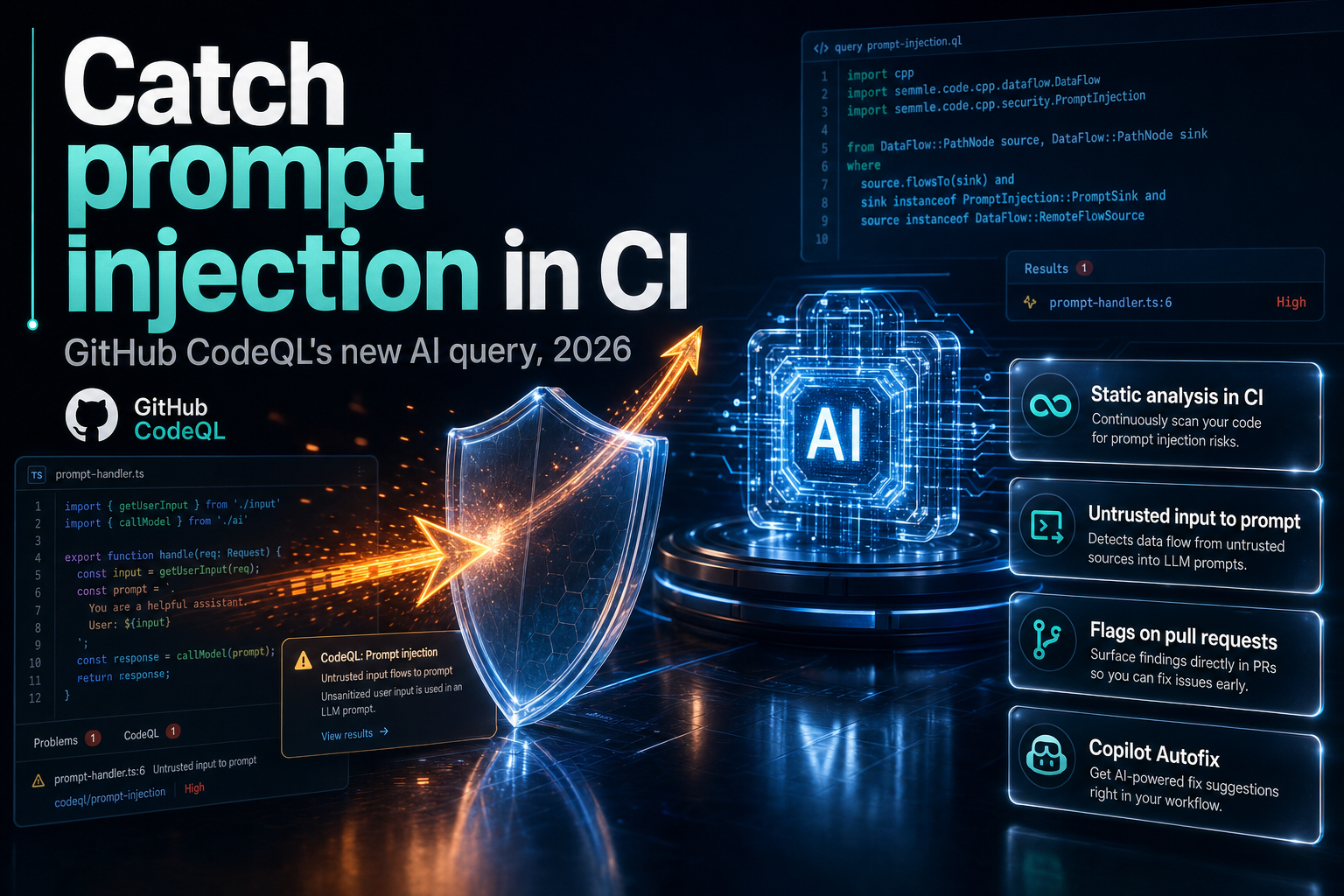
CodeQL 2.26.0 flags AI prompt injection: the 2026 code scanning setup guide
GitHub shipped a CodeQL query on 10 July 2026 that catches prompt injection in code review: js/system-prompt-injection flags untrusted input flowing into an AI model's system prompt. Here is what it detects, how to turn
Manu Shukla -
One Node.js release a year from 2027: what the Node 27 LTS change means for your upgrade cadence
Node.js is ending its twice-a-year major cycle. From October 2026 it ships one LTS release a year, and Node 27 lands in April 2027. What backend teams should change about upgrade planning and EOL risk.
Manu Shukla -
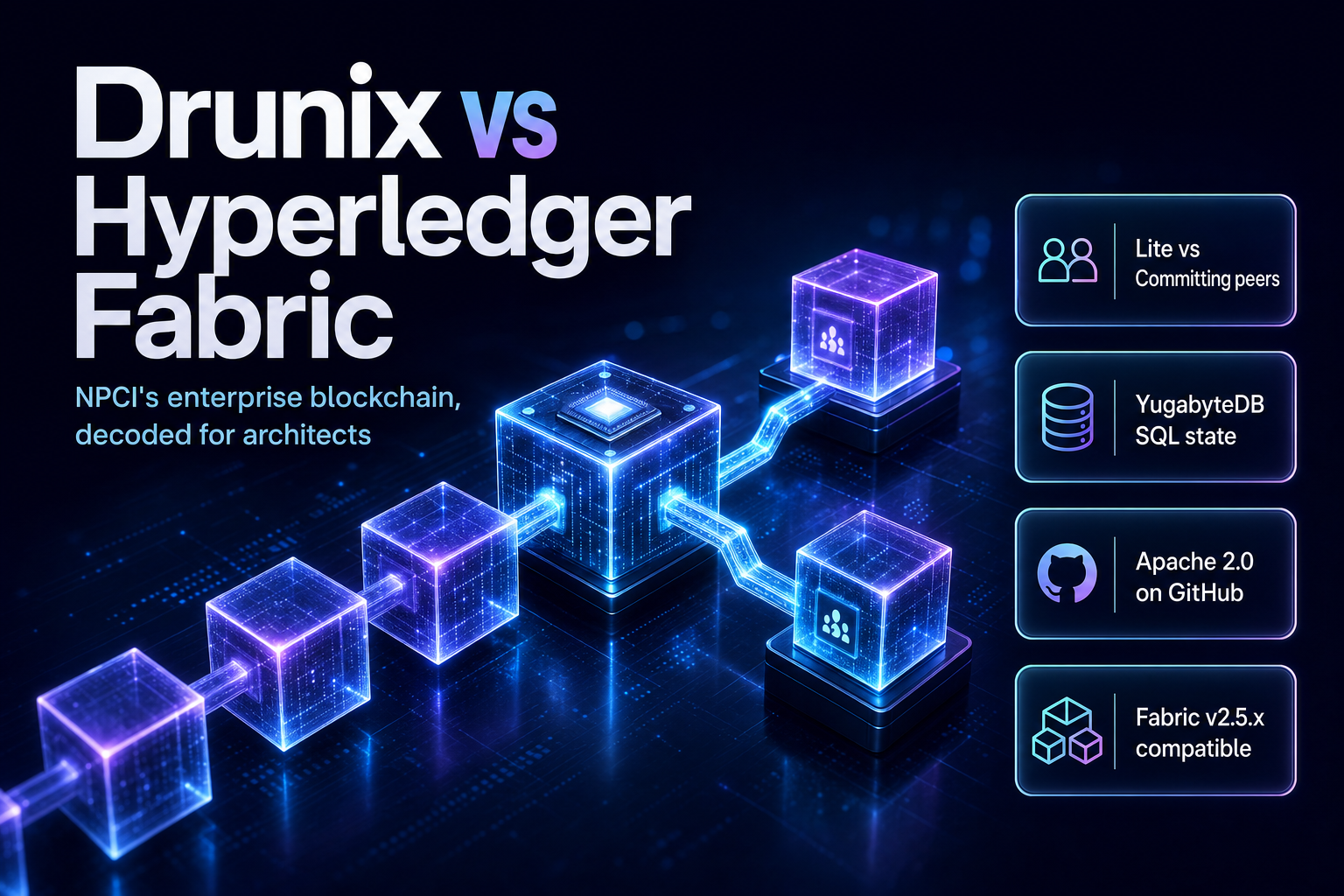
Drunix vs Hyperledger Fabric: 5 architecture changes for Indian tokenization teams (2026)
NPCI open-sourced Drunix in June 2026 as an enhanced Hyperledger Fabric fork for tokenization. Here is what actually changed in the architecture, how it compares to classic Fabric and Fabric-X, and when it is the right
Manu Shukla -
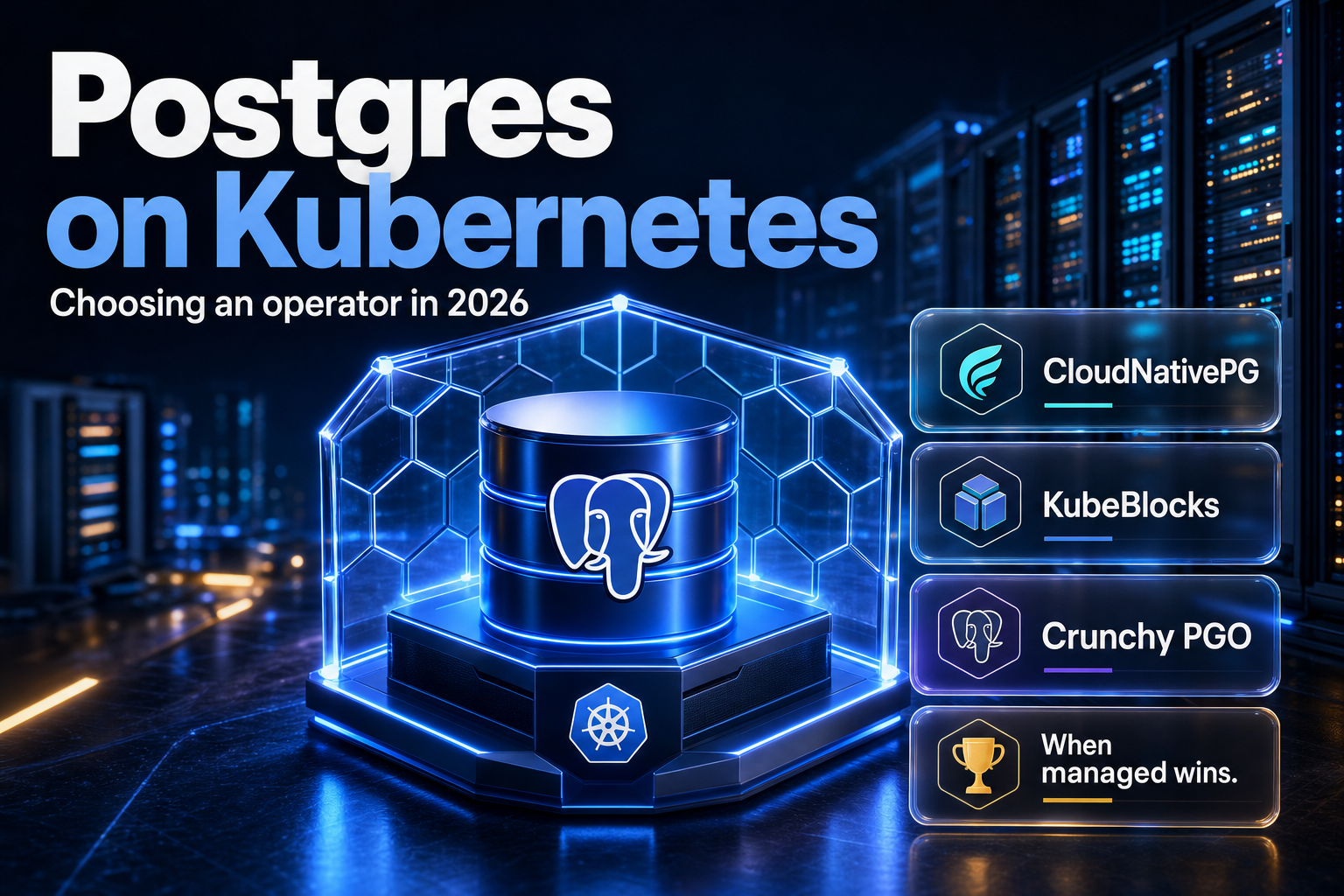
Postgres on Kubernetes in 2026: CloudNativePG vs KubeBlocks vs Crunchy PGO, and when managed DBaaS still wins
CloudNativePG, KubeBlocks, and Crunchy PGO all run production Postgres on Kubernetes, but they make different bets on HA, backups, and scope. Here is how they compare in 2026, with real config, and when a managed
Manu Shukla -
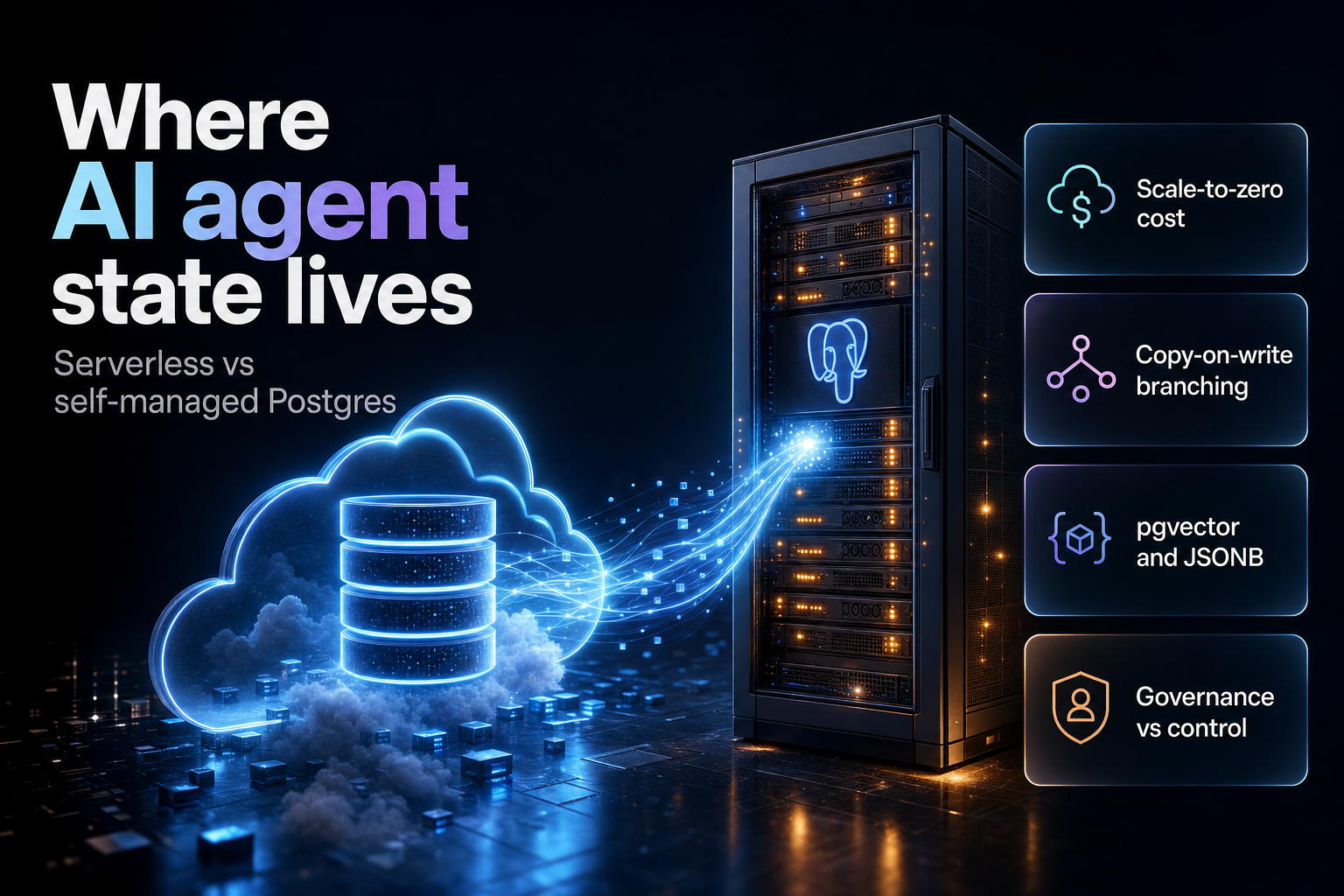
Lakebase vs self-managed Postgres for AI agent state: a 2026 cost and decision guide
AI agents need a durable place to keep state, and Postgres is the default choice. This guide compares serverless Postgres (Databricks Lakebase and Neon) against self-managed Postgres on cost, branching, latency
Manu Shukla -
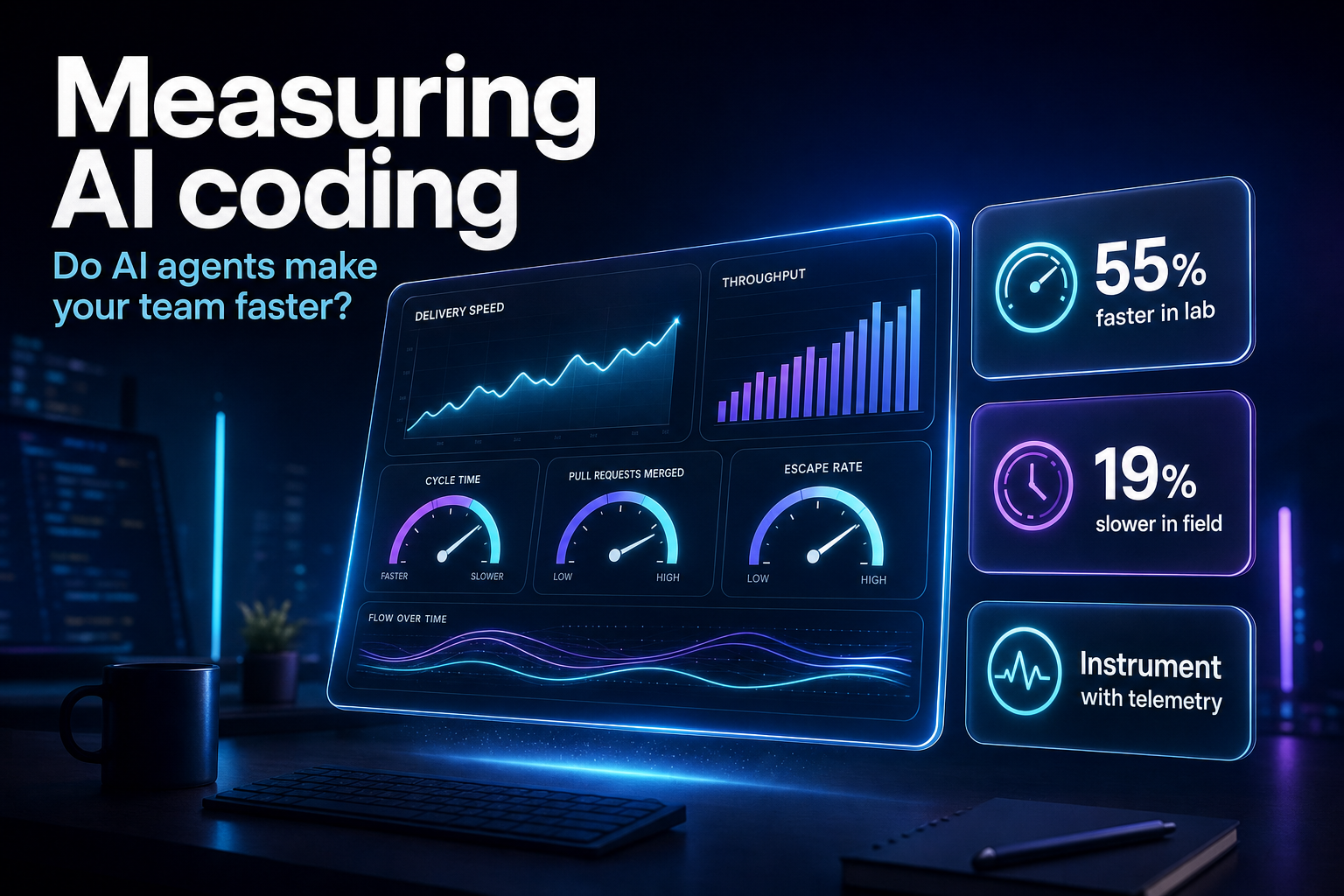
AI coding agents: 19% slower or 55% faster? A 2026 measurement playbook
AI coding studies contradict each other: 55% faster in the lab, 19% slower in a field trial. A senior engineer's playbook for measuring the real delivery impact of AI coding agents in 2026.
Manu Shukla -
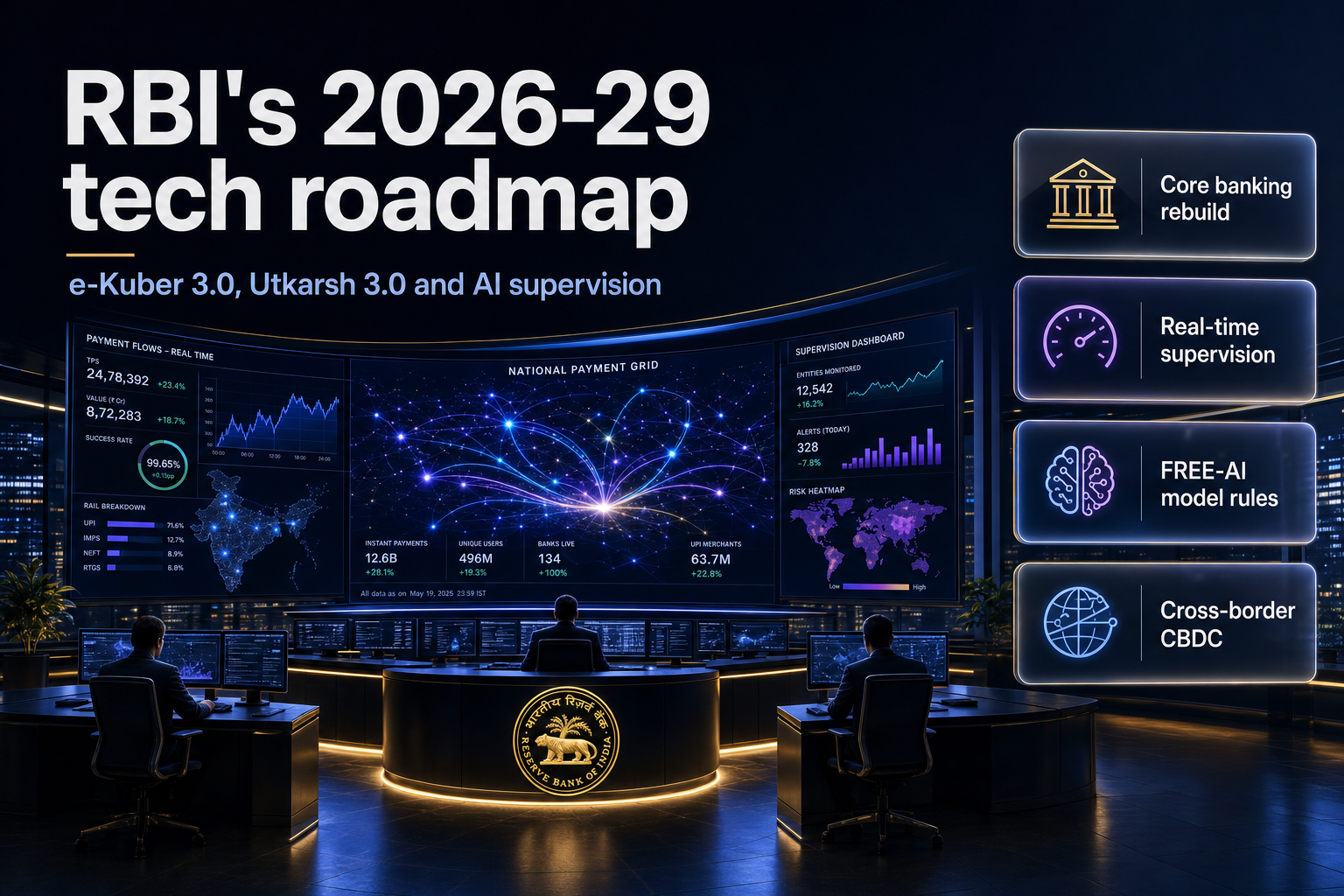
RBI's 2026-29 tech roadmap: what e-Kuber 3.0 and Utkarsh 3.0 mean for banks and fintechs
RBI's Central Board approved the Utkarsh 3.0 strategy for 2026-29 and is rebuilding its core banking system as e-Kuber 3.0. A working guide to the changes banks and fintechs should prepare for now.
Manu Shukla -
Product design scoping in 2026: 7 deliverables that decide whether design survives engineering
Most design engagements are scoped in screens and delivered as pictures, which is why the handoff falls apart. Since the Design Tokens Specification stabilised in October 2025, the deliverable list has changed. Here are
Manu Shukla -
Software supply chain security in 2026: an enterprise playbook after the npm attack wave
In July 2026 attackers poisoned jscrambler and AsyncAPI npm packages; the AsyncAPI payload ran at import time, past install-script defenses. How to secure your software supply chain, with a checklist and comparison
Manu Shukla -
PostgreSQL 19: 5 production changes to test before the September 2026 GA
PostgreSQL 19 beta 2 landed on 16 July 2026 with online REPACK, native SQL/PGQ graph queries, self-scaling async I/O, parallel autovacuum and controllable query plans. Here are the five changes production teams should
Manu Shukla -
Visual Studio 2026 agent skills: 6 folders your agent reads, and the trust gap platform teams must close
Since the April 2026 update, Copilot agents in Visual Studio automatically discover skills from six directories, three of which live inside the repository. Microsoft shipped a trust dialog for MCP servers in June. Agent
Manu Shukla -
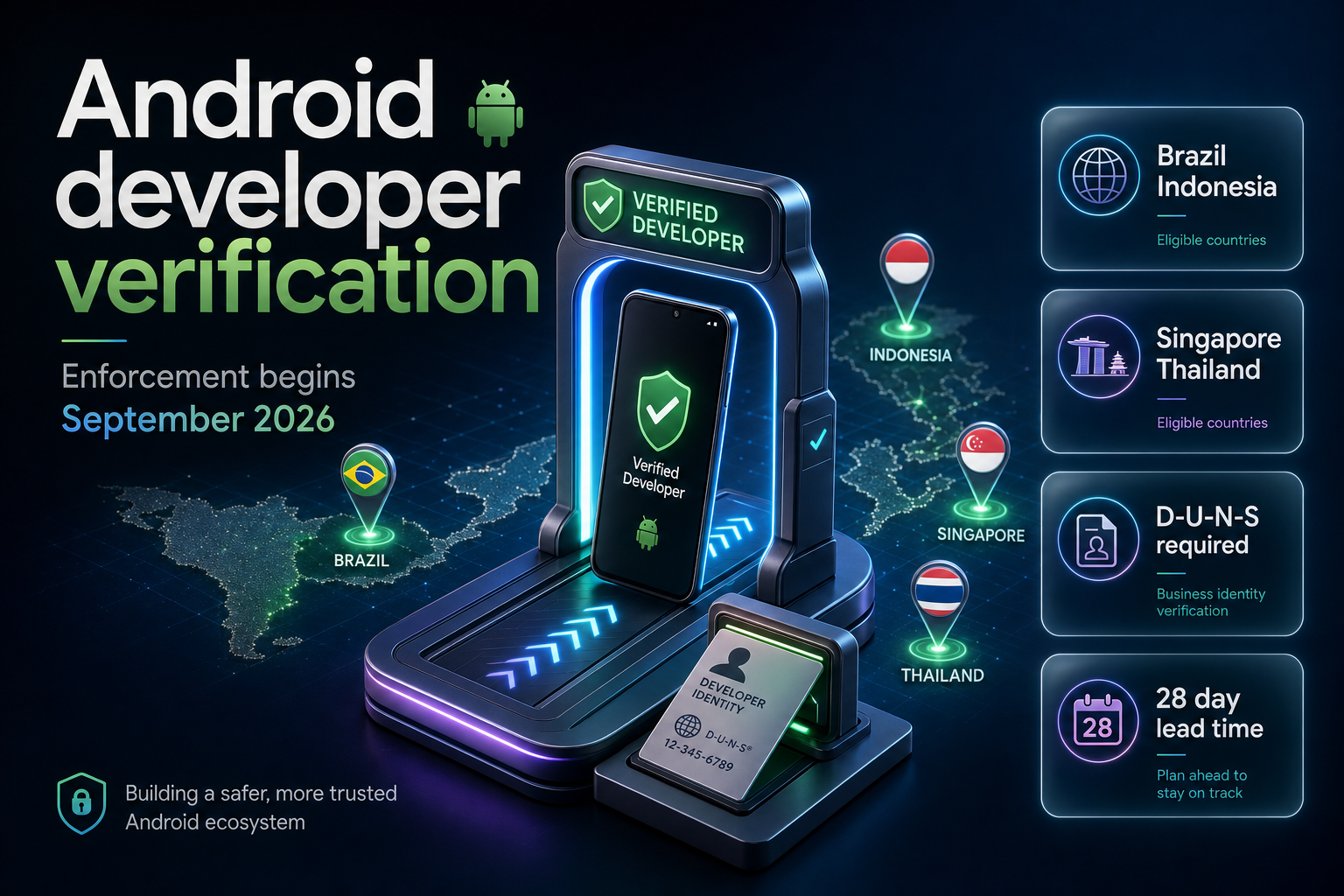
Android developer verification: the 30 September 2026 checklist for 4 countries and 7 stores
From 30 September 2026, unregistered Android apps stop installing in four countries across seven app stores. Here is what to check, what a D-U-N-S number costs you in lead time, and how to automate registration in CI.
Manu Shukla -
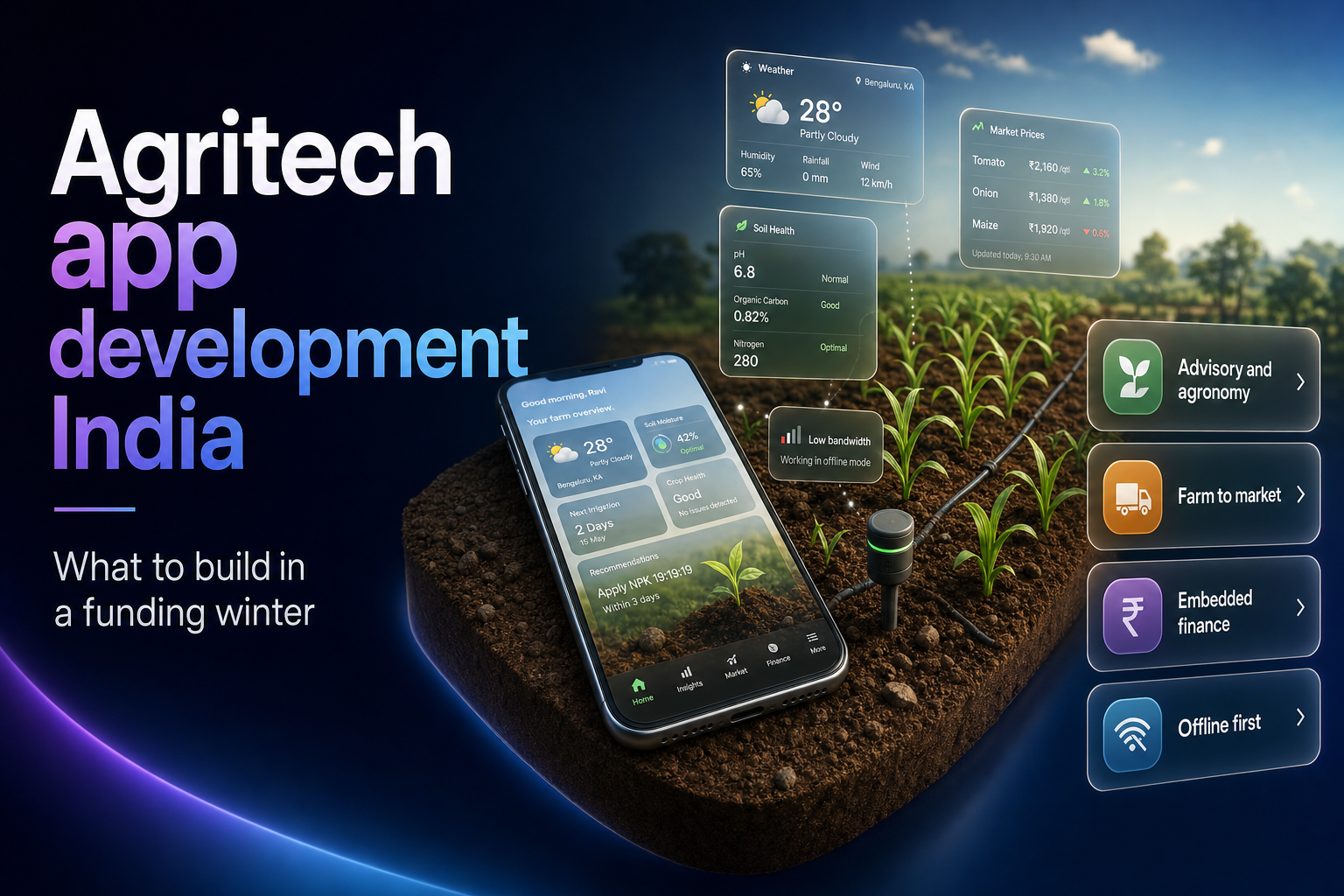
Agritech app development in India 2026: what to build after a $202 Mn funding year
Indian agritech funding fell to $202 Mn across 36 deals in 2025 while AgriStack crossed 8.48 crore farmer IDs. The gap between those two numbers is where the buildable products are.
Manu Shukla -
No-code to production in 2026: 5 signals it is time to rebuild your MVP
Your no-code MVP was fast to build and is now expensive to run. Five measurable signals that it is time to rebuild as production software, a staged migration plan, and the costs on both sides.
Manu Shukla -
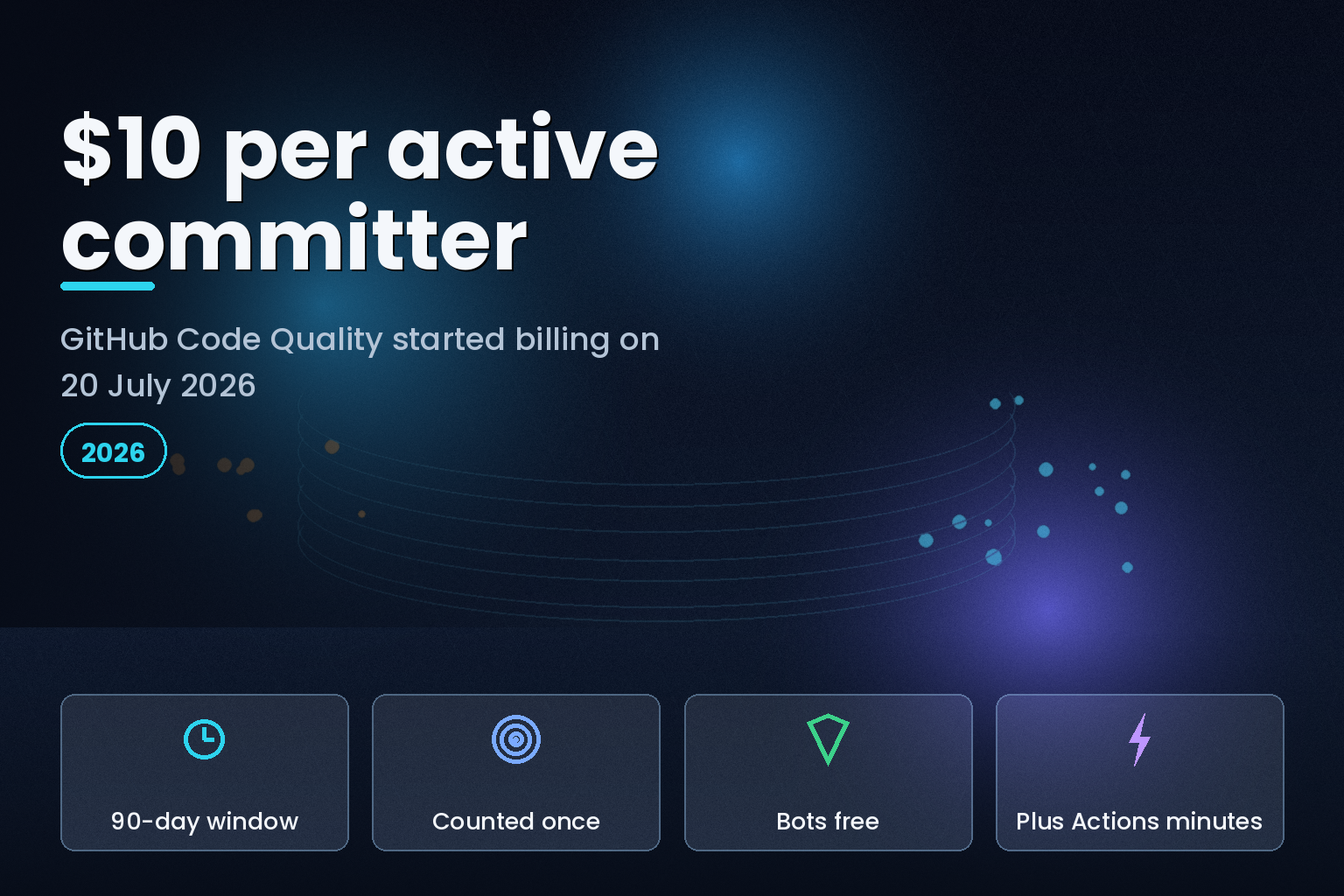
GitHub Code Quality now costs $10 per committer: the 2026 billing model and the audit to run this week
Billing for GitHub Code Quality started automatically on 20 July 2026 at $10 per active committer per month, plus Actions minutes and AI usage. The counting rule is unusual, and it changes which repositories are worth
Manu Shukla -
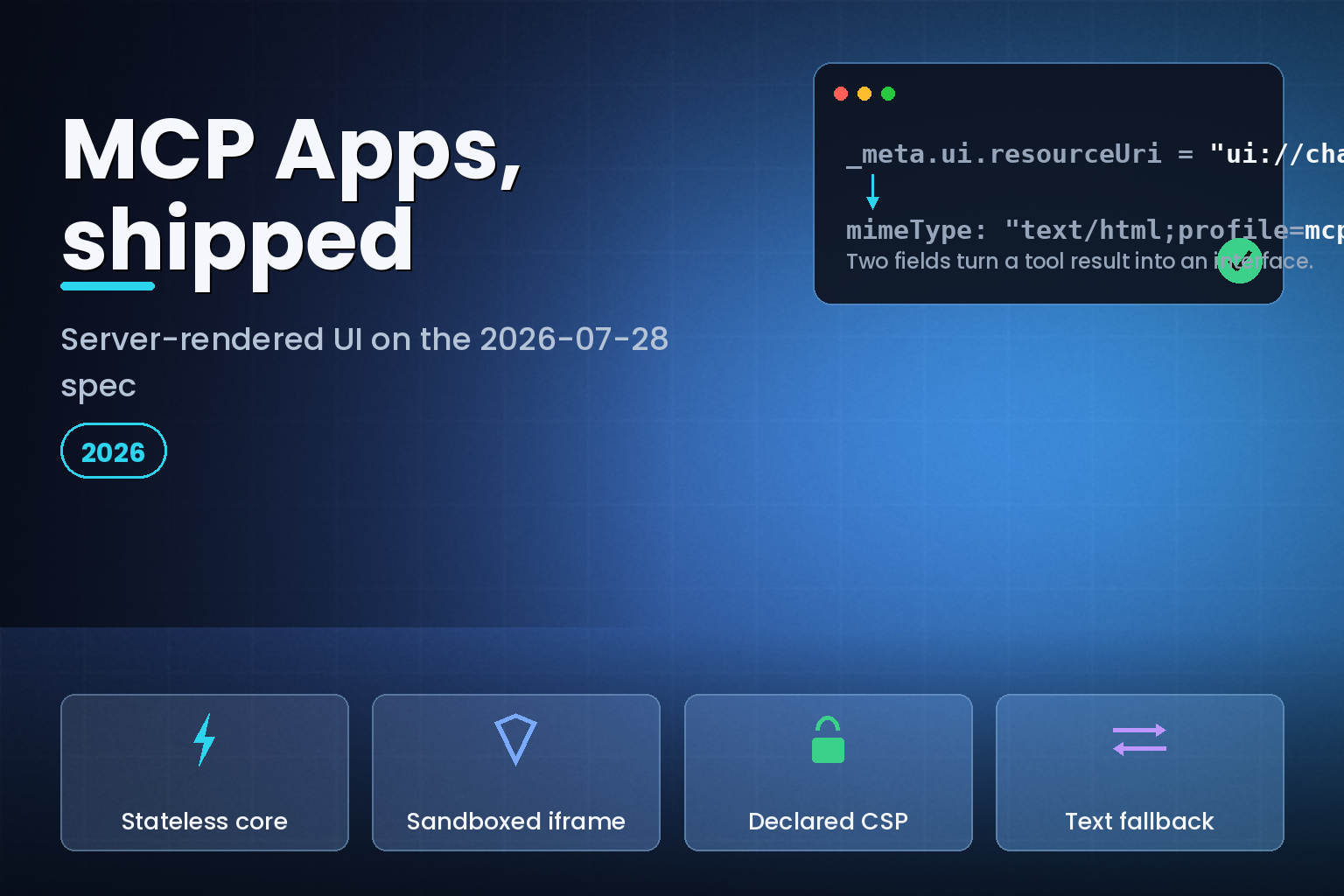
MCP Apps in 6 steps: ship a server-rendered UI on the 2026-07-28 spec
MCP Apps shipped on 26 January 2026 as the first official MCP extension. Here is how the ui:// resource, the _meta.ui.resourceUri link, the sandbox CSP and the stateless 2026-07-28 core fit together.
Manu Shukla -
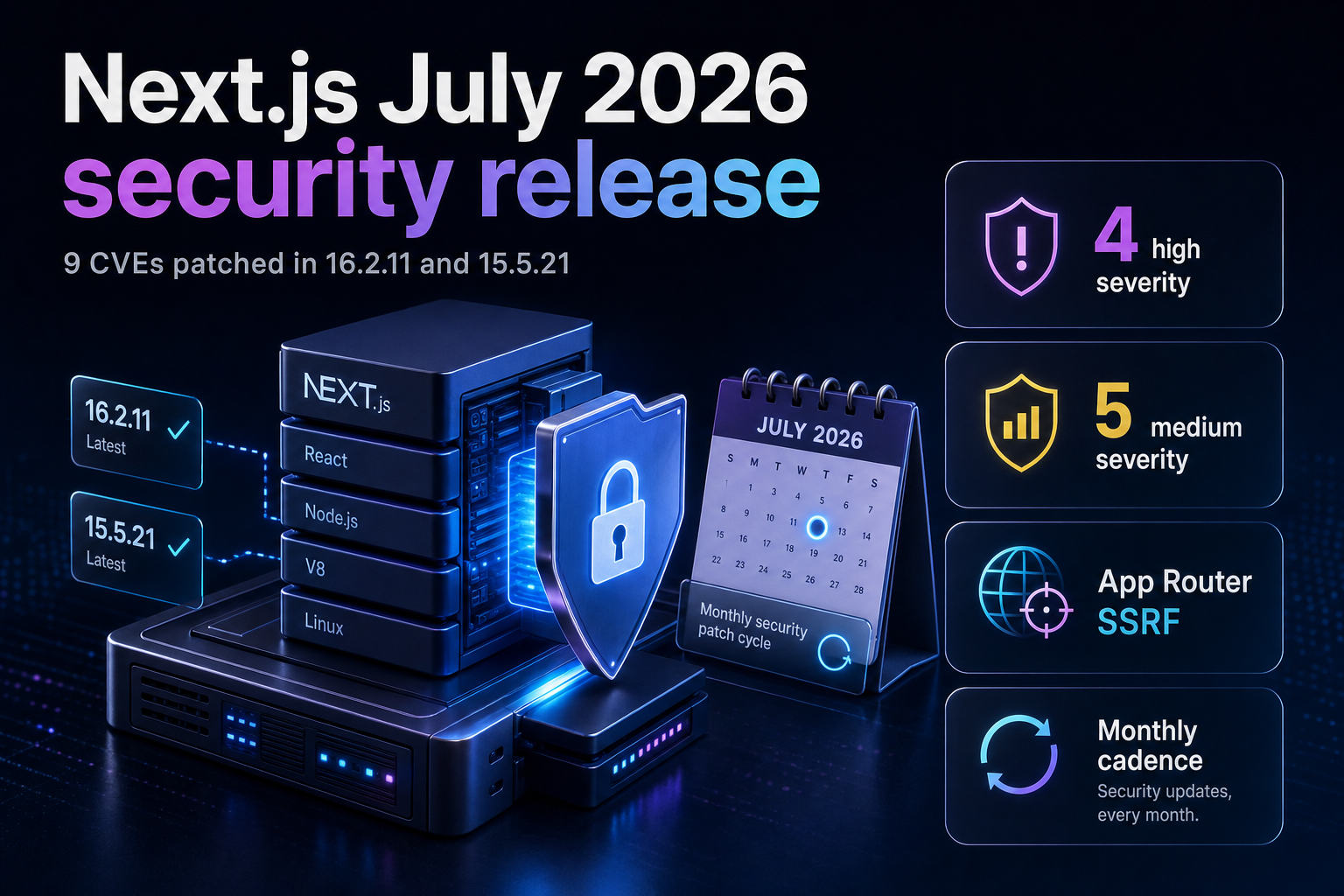
Next.js July 2026 security release: 9 CVEs patched in 16.2.11 and 15.5.21
The first scheduled Next.js security release landed on 20 July 2026 with nine CVEs across App Router, Server Actions, rewrites and the image endpoint. Here is who is actually exposed and how to patch.
Manu Shukla -
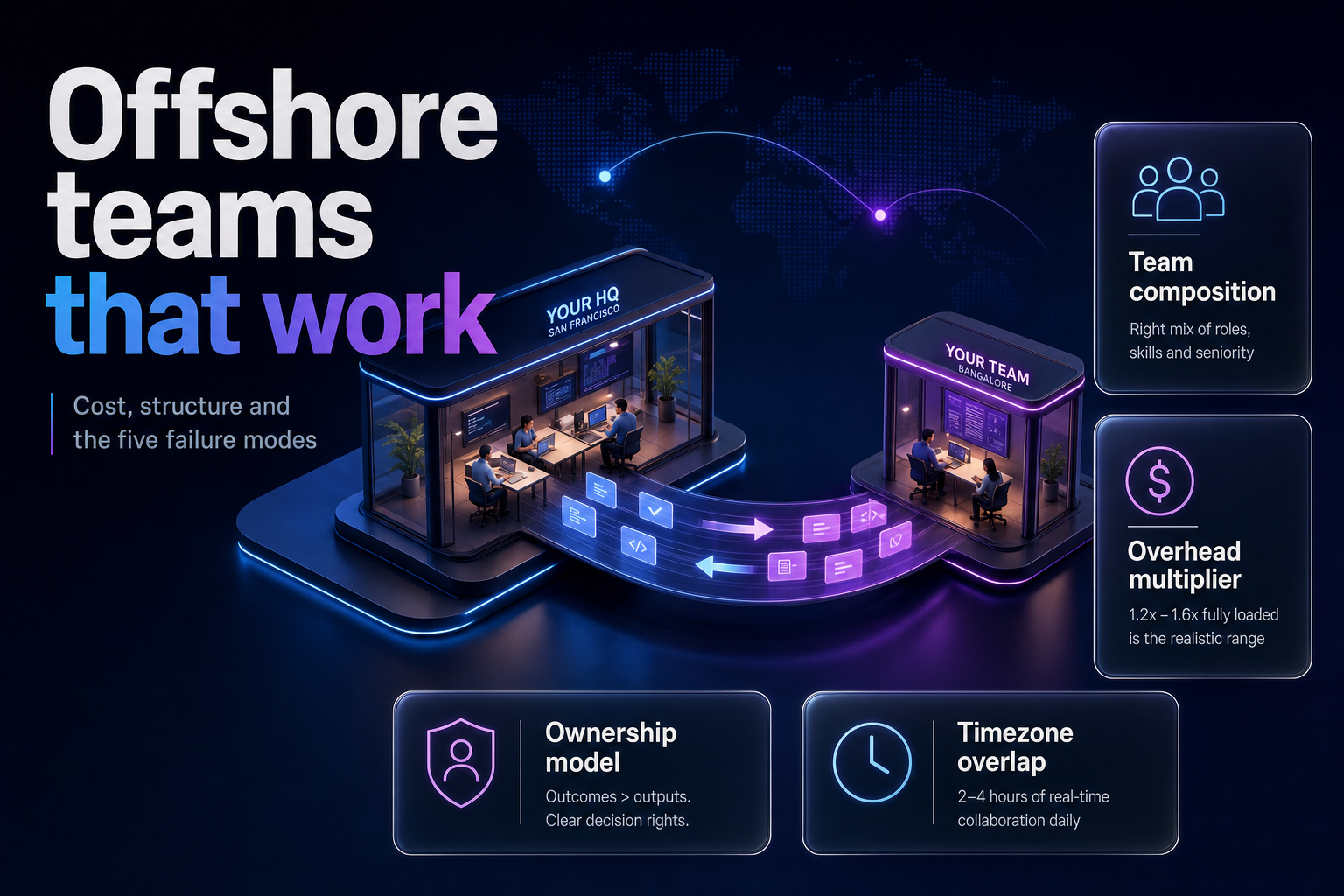
5 ways offshore engineering teams in India fail in 2026, and the structure that prevents it
Zinnov and Nasscom counted 2,117 GCCs in India in FY2026, yet 43% remain stuck at the Satellite stage. The five failure modes that keep offshore engineering teams there, and how to structure around them.
Manu Shukla -
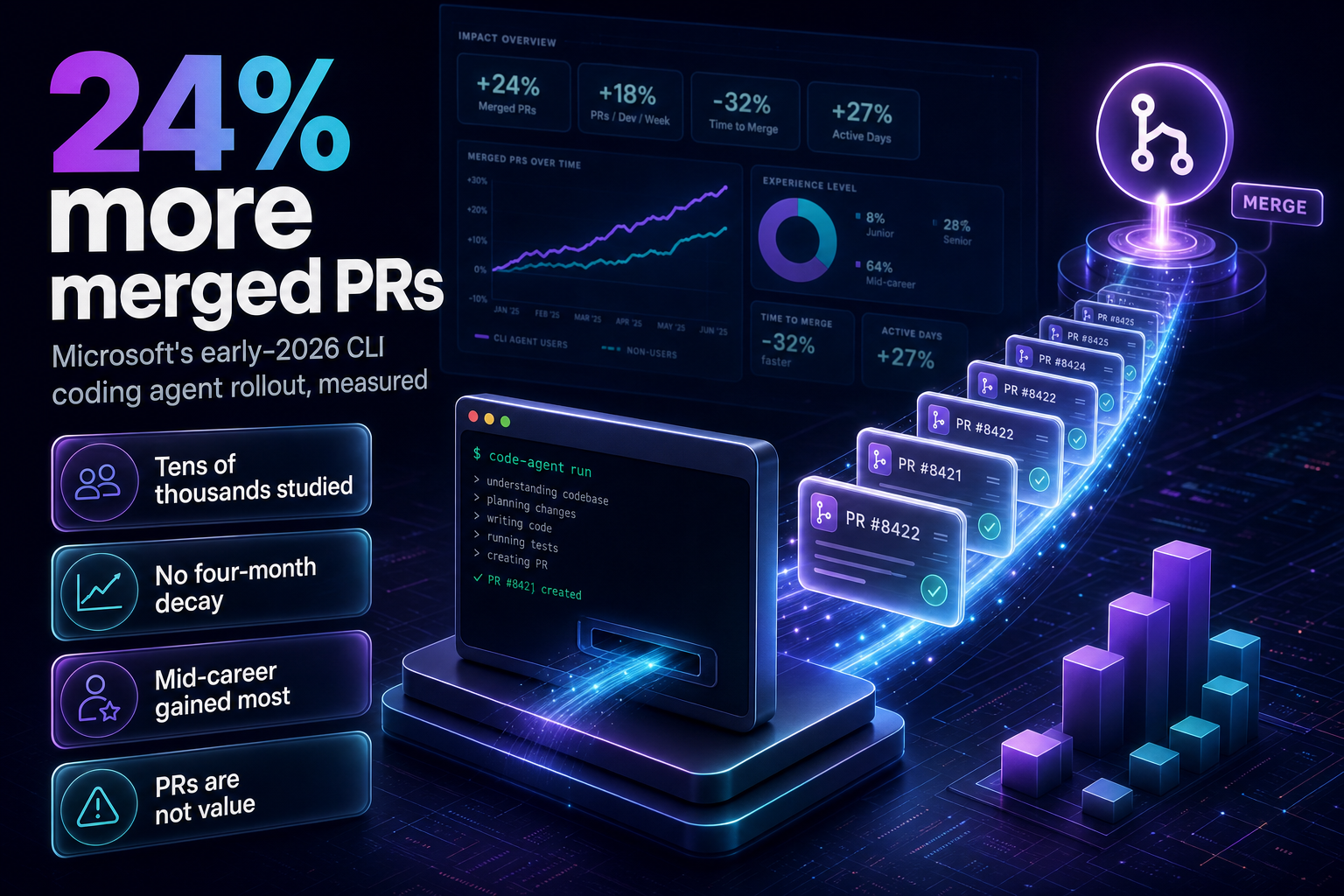
24% more merged PRs: Microsoft's 2026 Claude Code study, and what it does not prove
Microsoft's July 2026 study found adopters of Claude Code and Copilot CLI merged 24% more pull requests. The per-tool numbers, the dose-response curve and the paper's caveats matter more than the headline.
Manu Shukla -
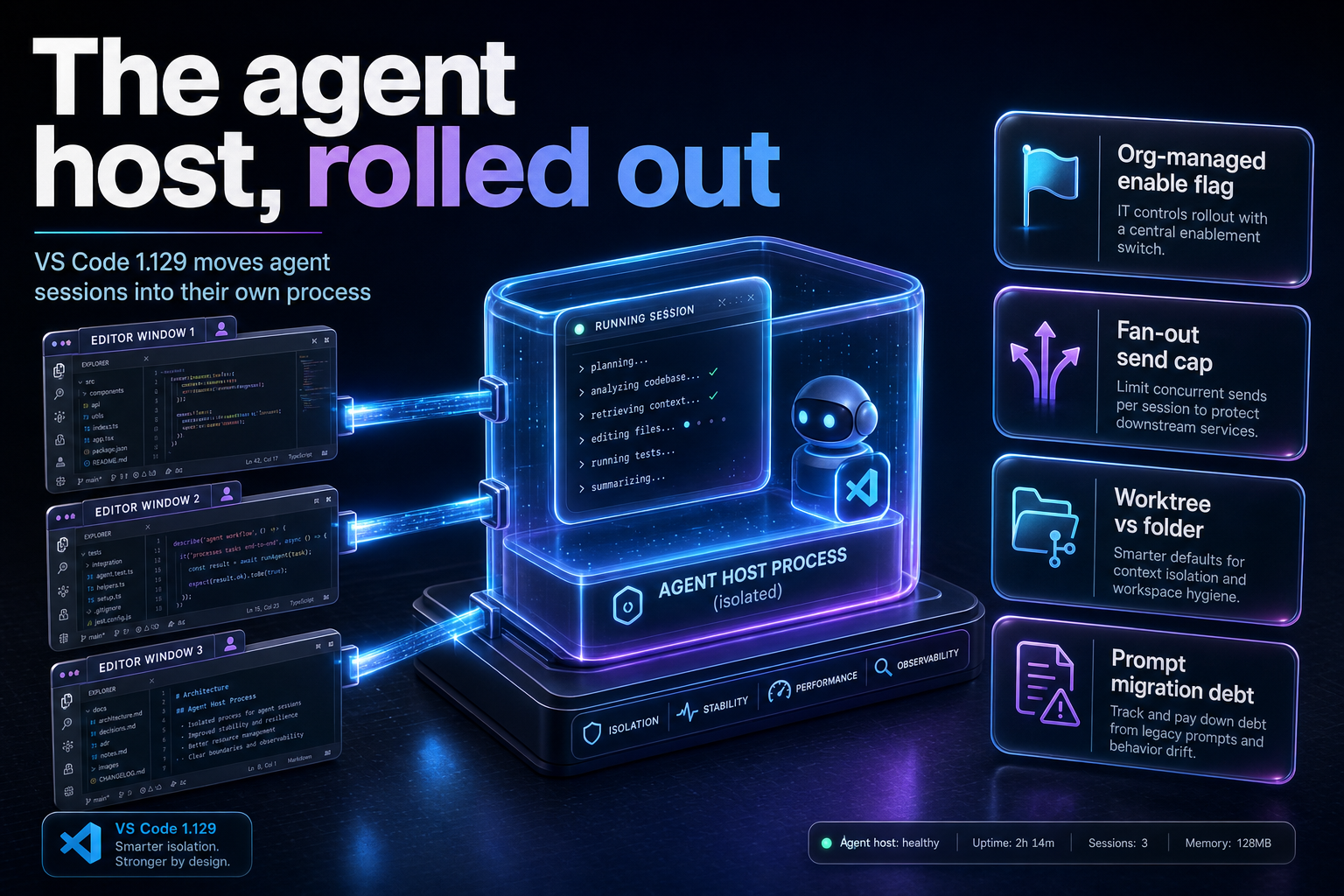
VS Code 1.129 agent host: the 6 settings platform teams must decide first
VS Code 1.129 moved agent sessions into a dedicated process on 15 July 2026. Sessions now outlive the window that started them, which makes chat.agentHost.enabled a platform decision, not a user one.
Manu Shukla -
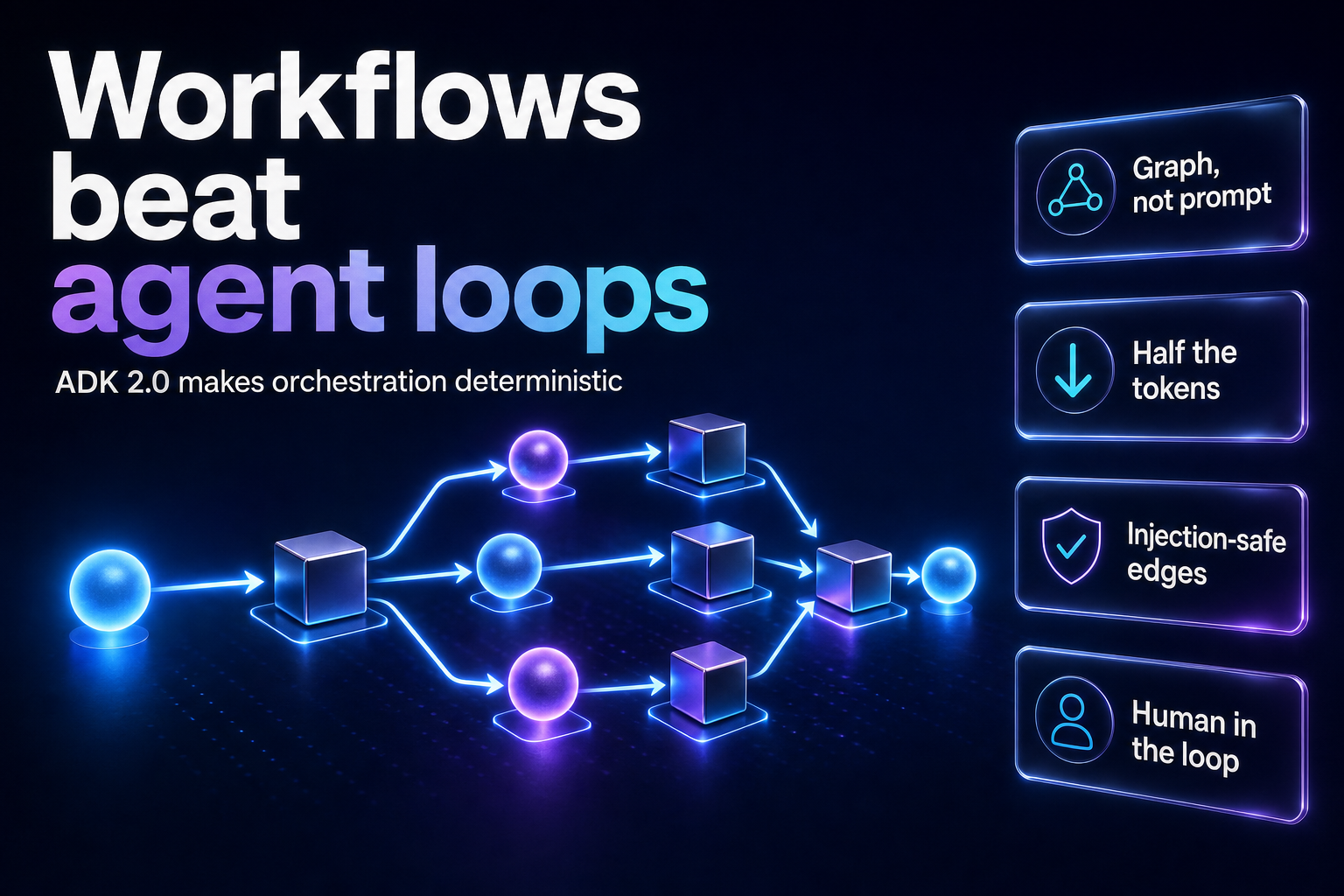
ADK 2.0 workflows cut a benchmark run from 5,152 to 2,265 tokens: when a graph beats an LLM loop
ADK Python 2.0 went GA on 19 May 2026 and ADK Go 2.0 on 30 June 2026, both on a graph execution engine. How to choose between a workflow and an autonomous agent, with code and breaking changes.
Manu Shukla -
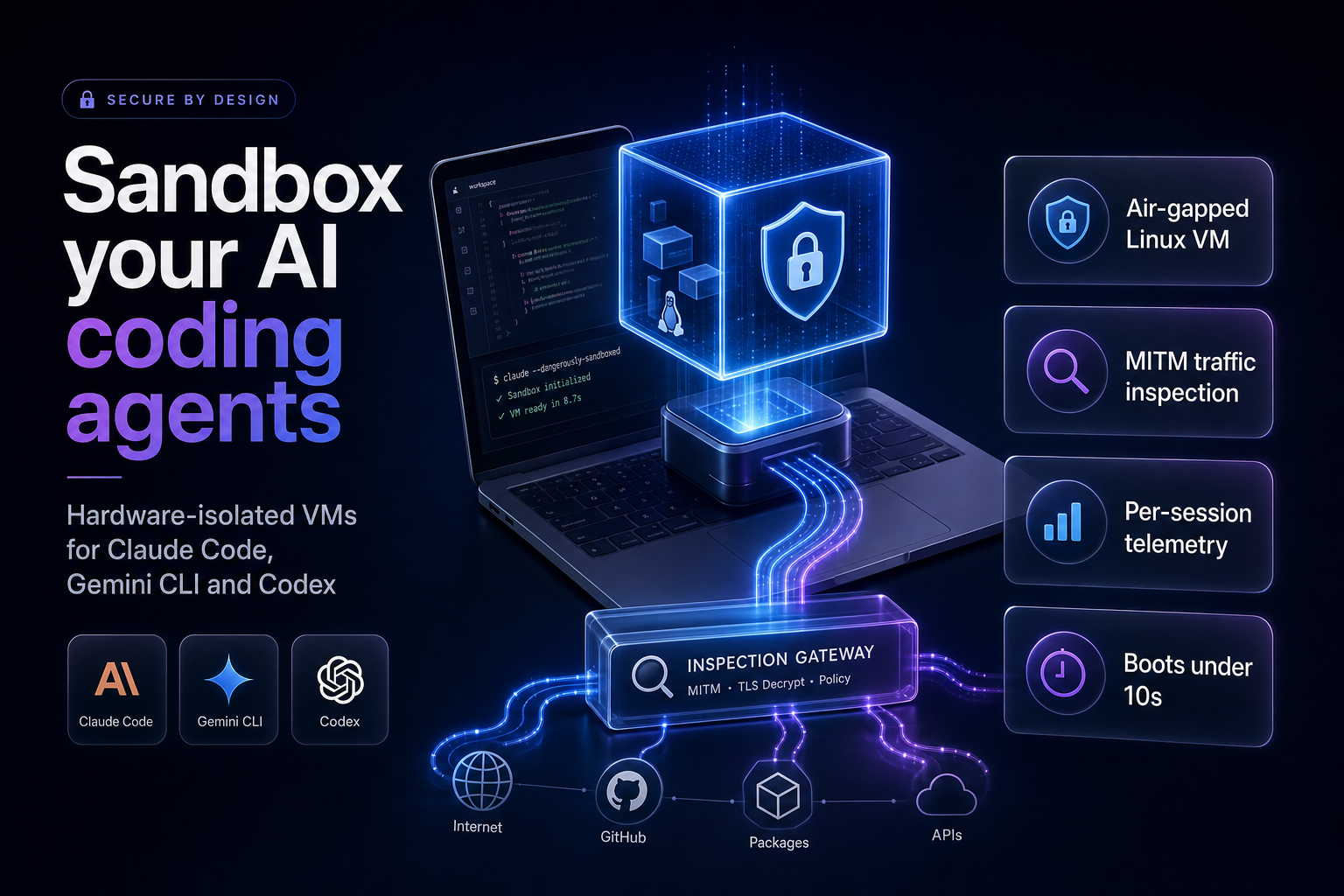
Capsem 2026 setup guide: sandbox Claude Code, Gemini CLI and Codex in isolated VMs
Two Cursor flaws rated 9.8 let a single prompt escape the editor's sandbox and run commands as you. Capsem takes a different line: a hardware-isolated Linux VM per agent session, with every HTTPS request inspected
Manu Shukla -
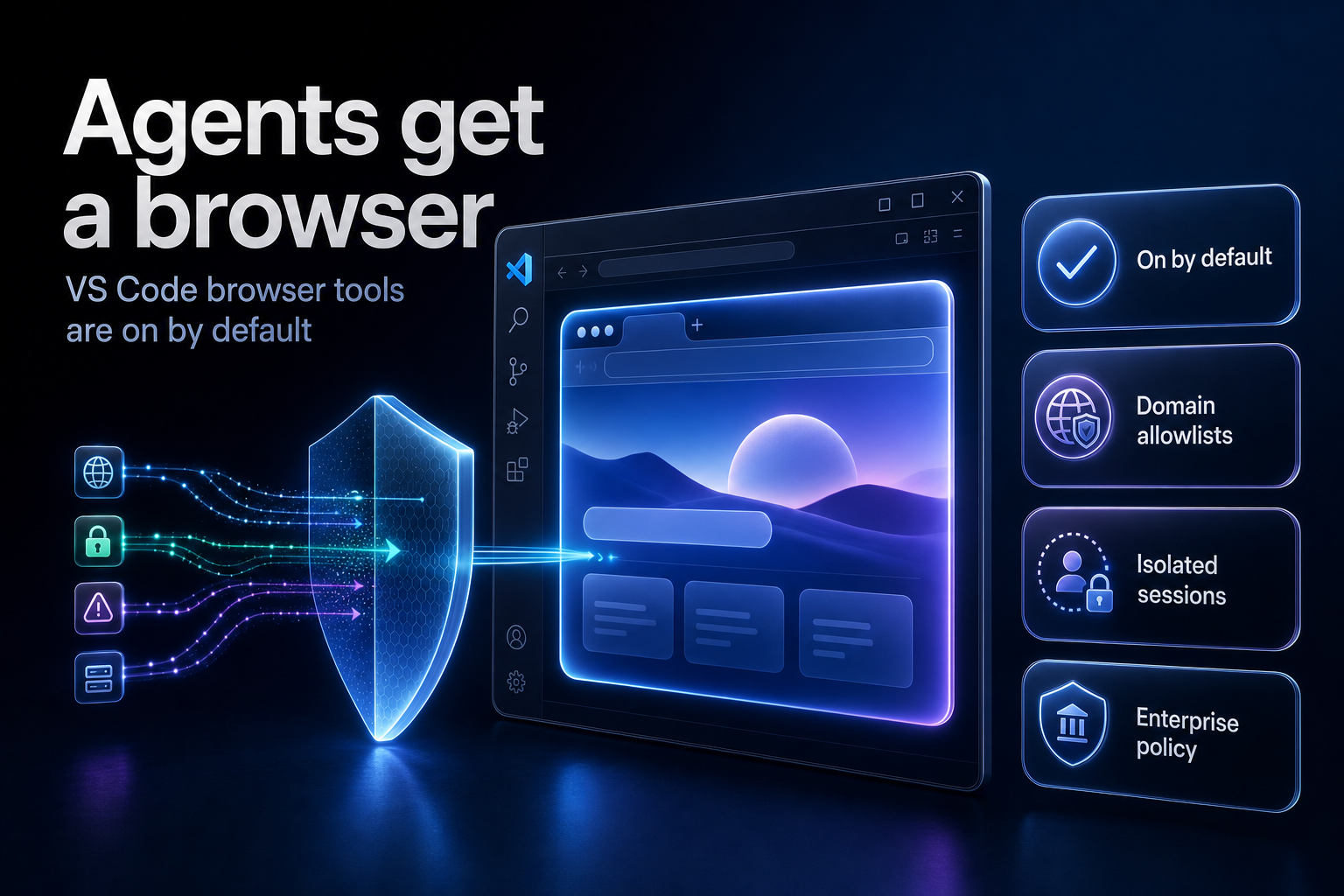
Copilot browser tools went GA on 1 July 2026: 7 controls to set before your team ships
Browser tools for GitHub Copilot in VS Code became generally available on 1 July 2026 and ship enabled by default. These are the settings, policies and rollout order that keep agent browsing contained.
Manu Shukla -
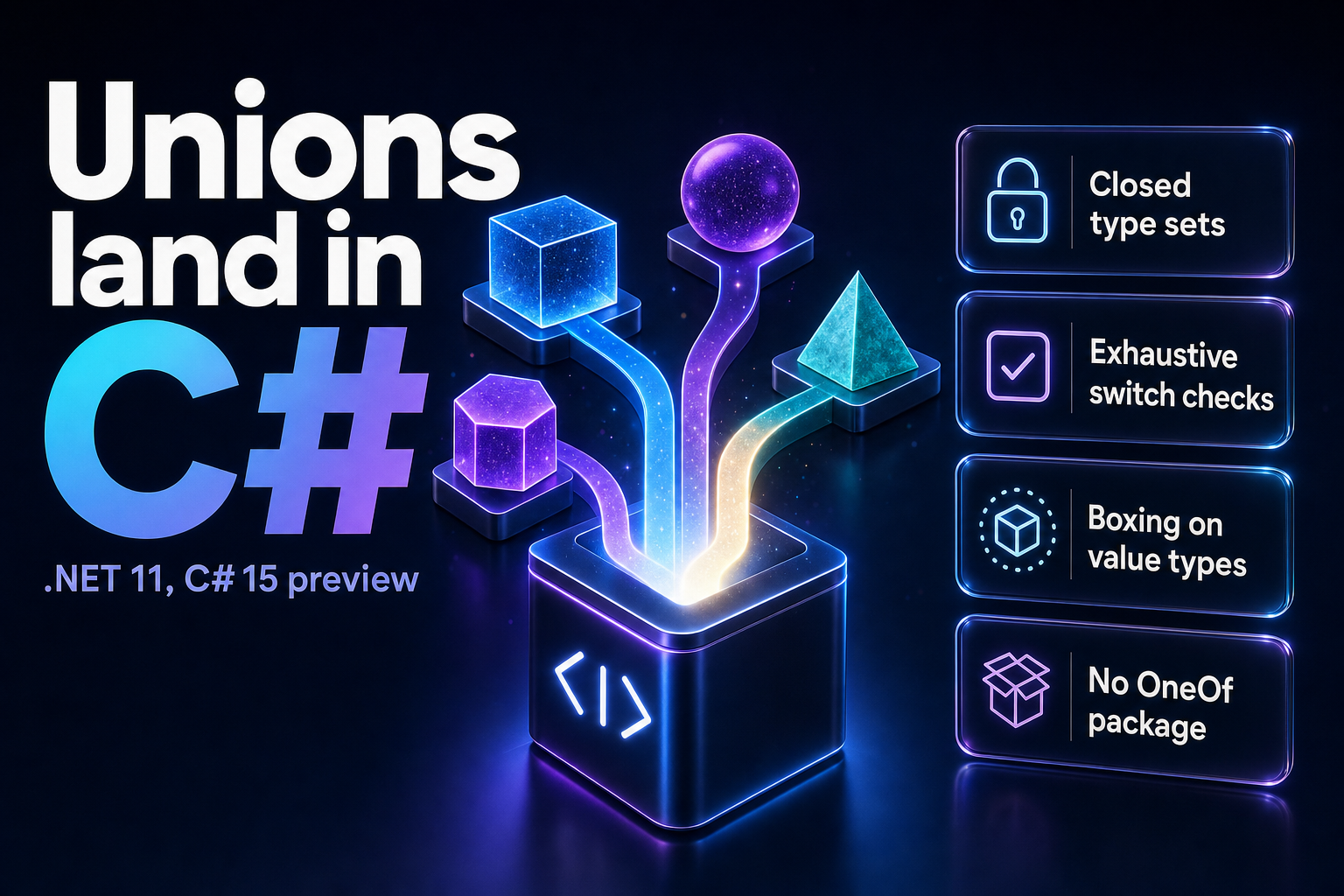
C# 15 union types in .NET 11: migrating off OneOf without boxing your hot path
Union types arrive in C# 15 with .NET 11, expected November 2026. The compiler generates a struct that stores its contents as object?, so every int or struct case boxes on assignment. There is a documented way around it.
Manu Shukla -
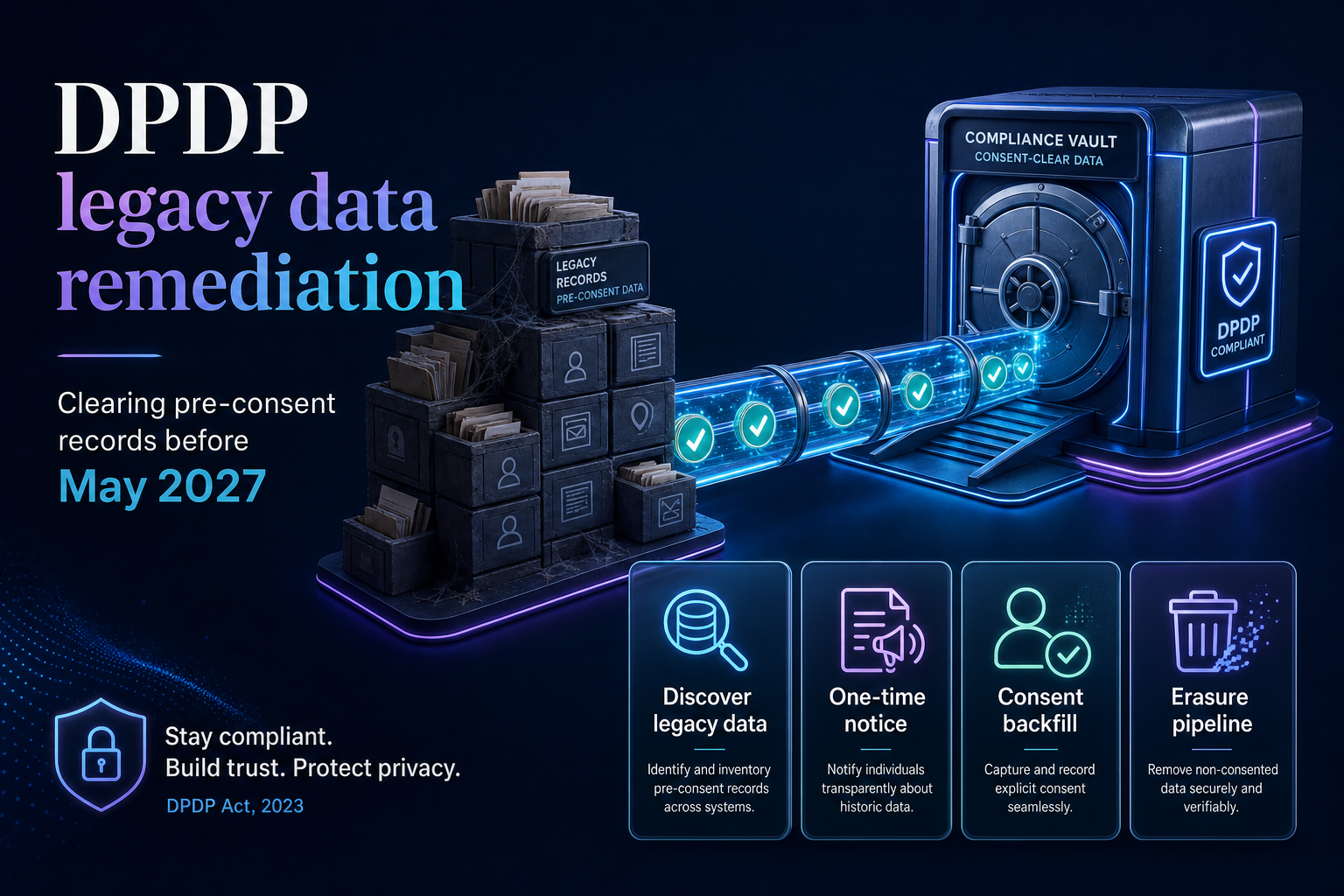
DPDP legacy data: 6 steps to remediate pre-consent records before May 2027
Most Indian companies hold years of personal data collected before the DPDP Act. Section 5(2) says you owe those people a notice. Here is how to find that data, send the notice, and erase what you cannot justify.
Manu Shukla -

EU AI Act Article 50 applies from 2 August 2026: a 9-step AI content marking checklist
From 2 August 2026 providers must mark generative AI output in a machine-readable format and deployers must label deepfakes. Systems already on the market get until 2 December 2026. What that means in code.
Manu Shukla -
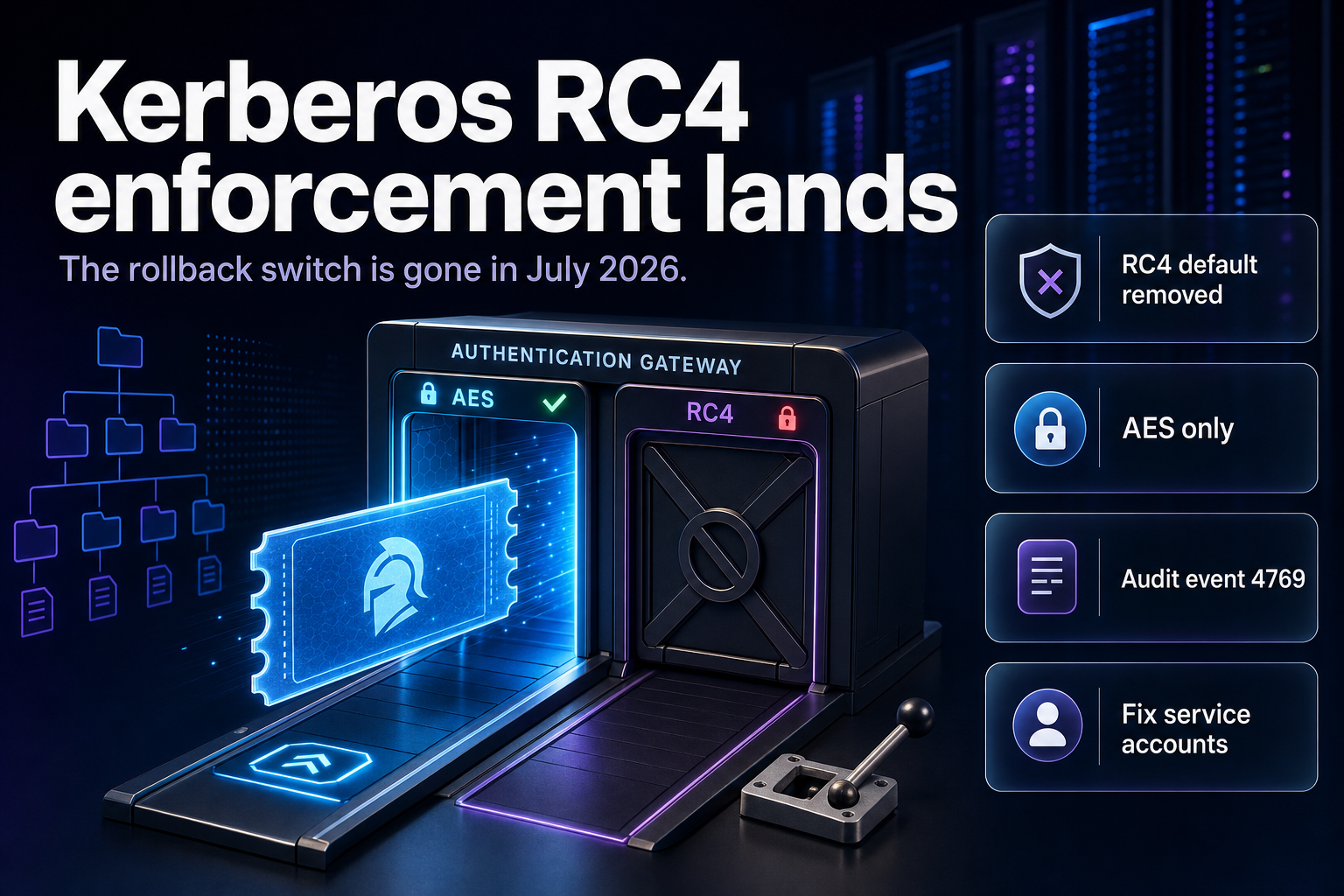
Kerberos RC4 enforcement lands in July 2026: the 9 events that tell you what will break
Microsoft's RC4 hardening for CVE-2026-20833 reaches its final phase with the July 2026 Windows updates, removing the registry rollback switch. Here are the nine audit events, the encryption-type values that trip people
Manu Shukla -
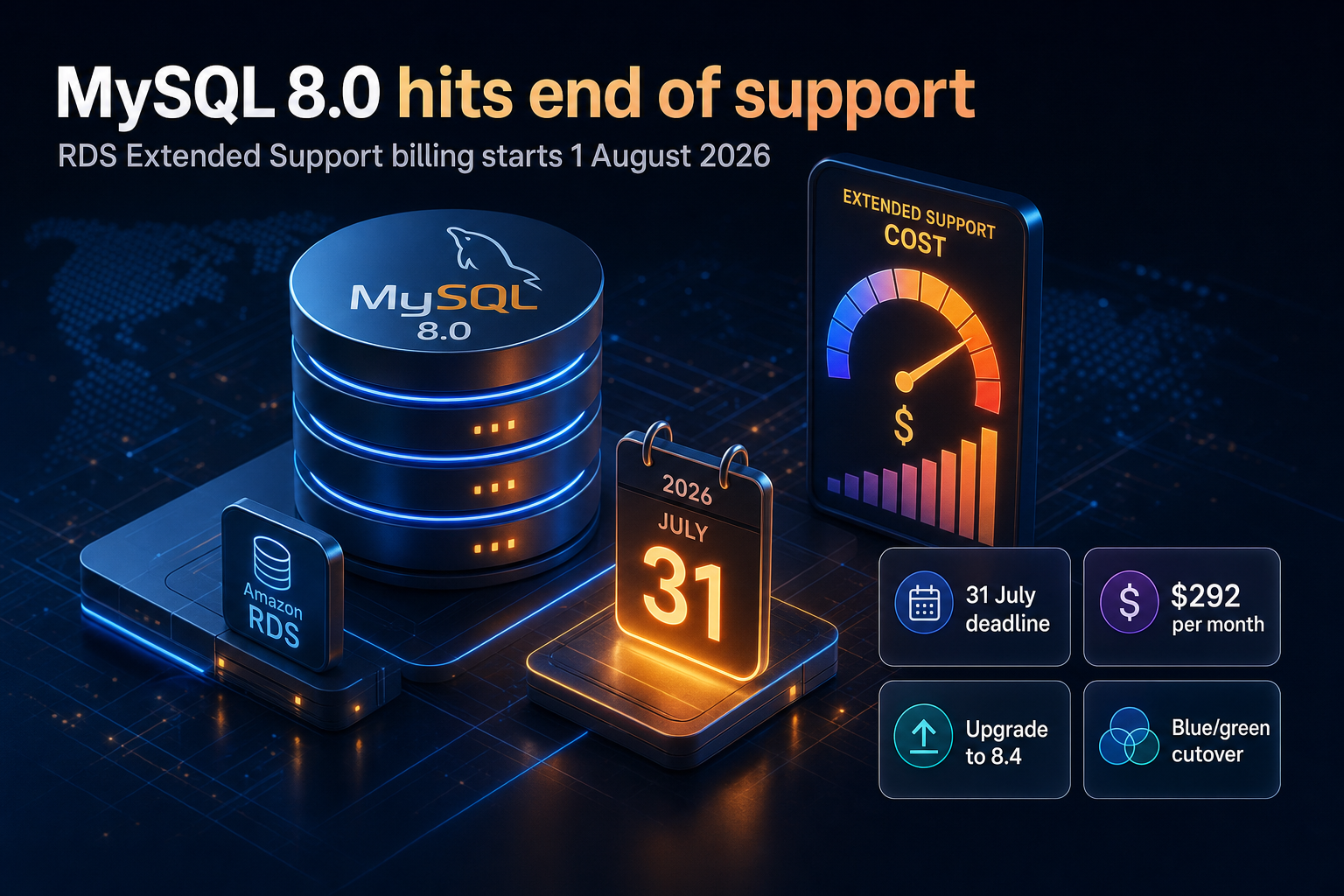
MySQL 8.0 EOL on 31 July 2026: extended support costs and the 8.4 upgrade plan
Amazon RDS for MySQL 8.0 reaches end of standard support on 31 July 2026, and Extended Support billing begins the next day at roughly $292/month for a single db.r5.xlarge. Azure and Google Cloud bill from 1 January
Manu Shukla -
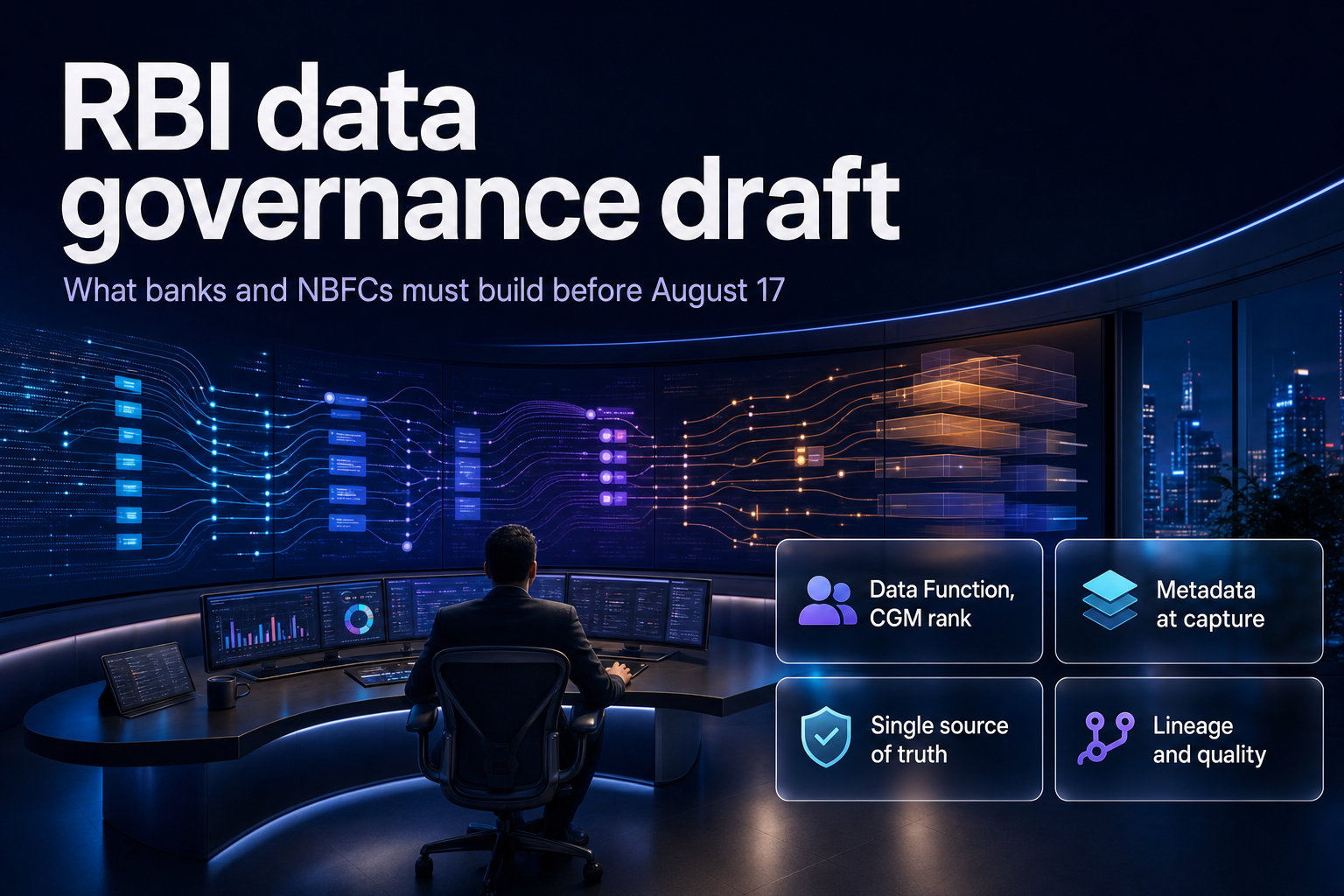
RBI data governance draft 2026: 4 new roles banks and NBFCs must staff by August 17
The RBI's draft Guidance on Regulatory Expectations for Data Governance runs to 63 paragraphs across 6 chapters and covers 11 categories of regulated entity. Here is the engineering work it implies.
Manu Shukla -
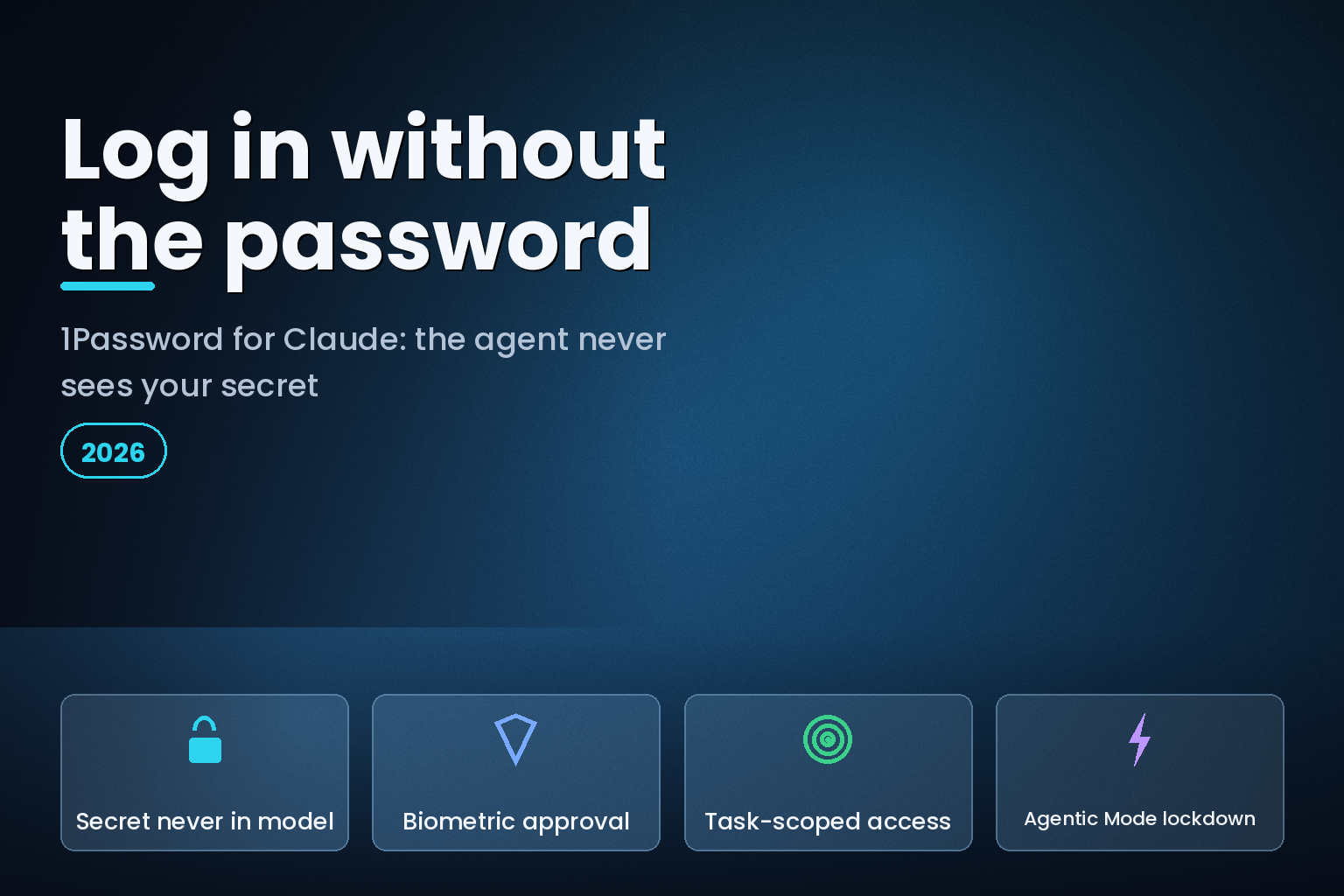
1Password for Claude: how to let an AI agent log in without exposing your password (2026)
On July 16, 2026, 1Password launched 1Password for Claude: a zero-exposure model that lets an AI agent complete logins and one-time codes while the secret never enters the model. Here is how it works.
Manu Shukla -
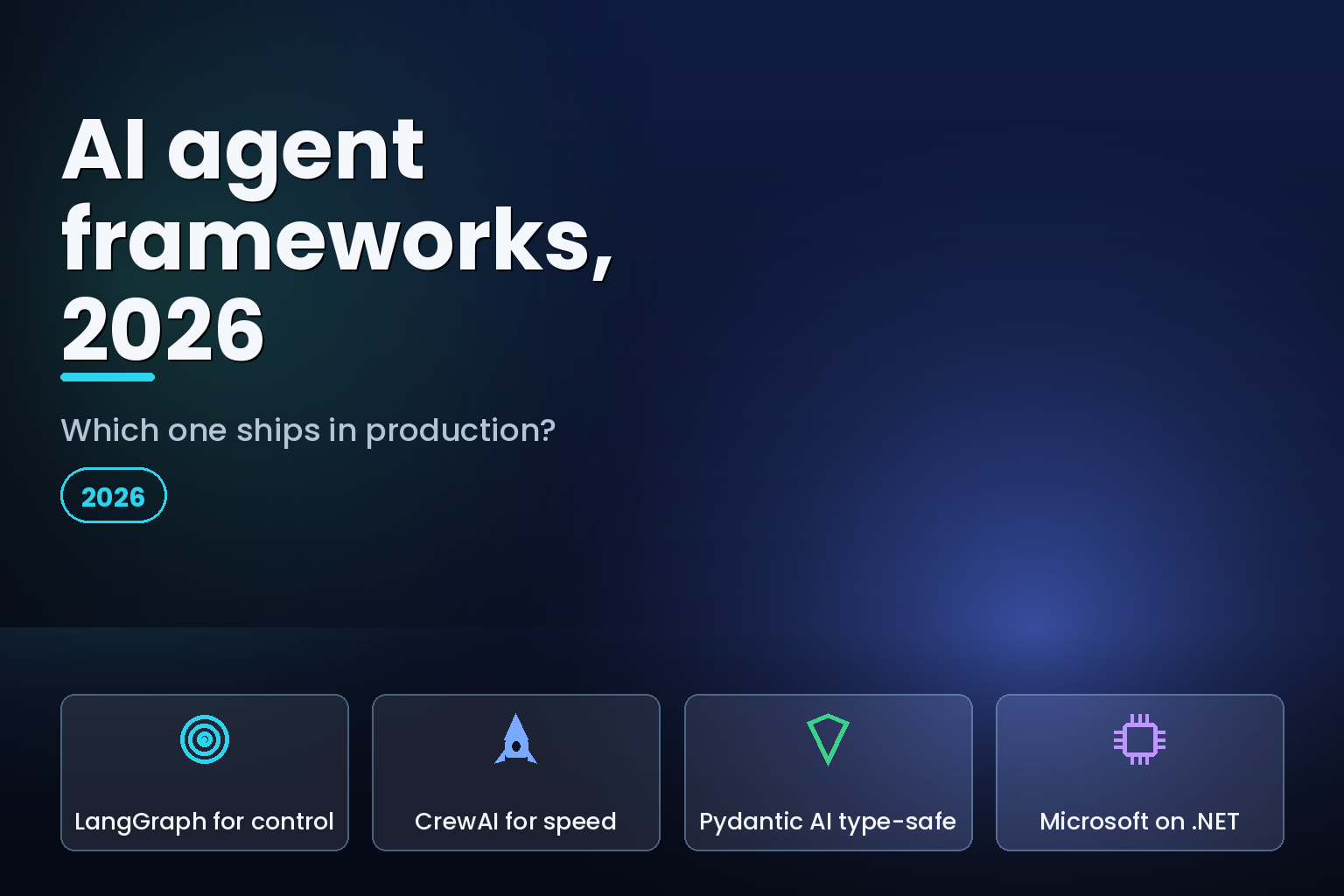
2026 AI agent frameworks compared: LangGraph vs CrewAI vs Microsoft Agent Framework vs Pydantic AI
Five agent frameworks hit production maturity by mid-2026: LangGraph 1.0, CrewAI, Microsoft Agent Framework 1.0, Pydantic AI V2 and LlamaIndex Workflows 1.0. Here is how to choose by your dominant constraint.
Manu Shukla -
2M-token context vs RAG in 2026: cost, latency and when each actually wins
Gemini 3.5 Pro's 2M-token context reopened the long-context vs RAG debate. Here is the real cost math, the accuracy that breaks mid-window, and a decision framework for backend and ML engineers in 2026.
Manu Shukla -
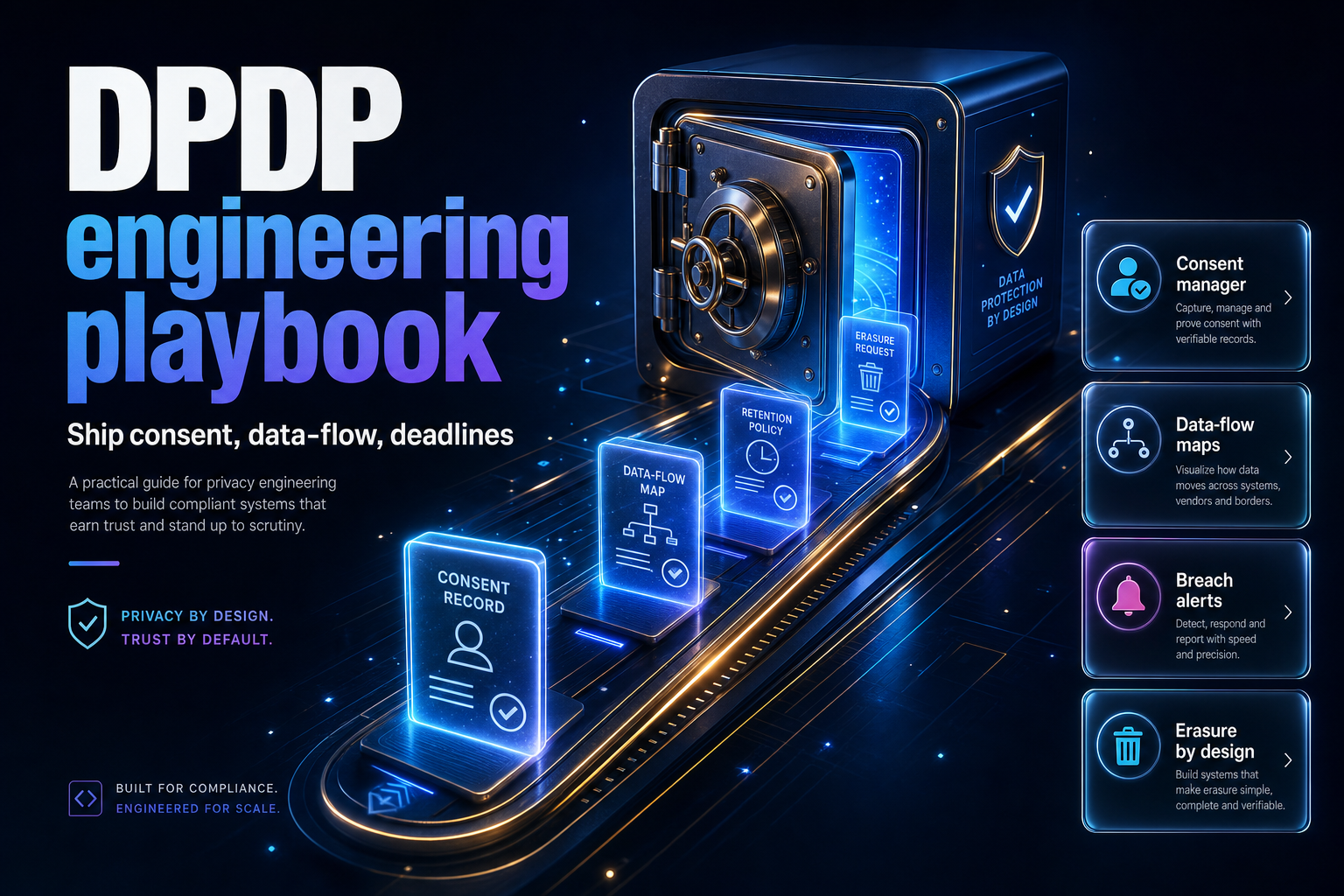
DPDP Act 2026: the engineering playbook for Indian startups (deadlines, consent, breach)
India's DPDP Rules 2025 are notified and the clock is running: consent managers by November 2026, full compliance by mid-May 2027, fines up to Rs 250 crore. The engineering playbook for Indian startups.
Manu Shukla -
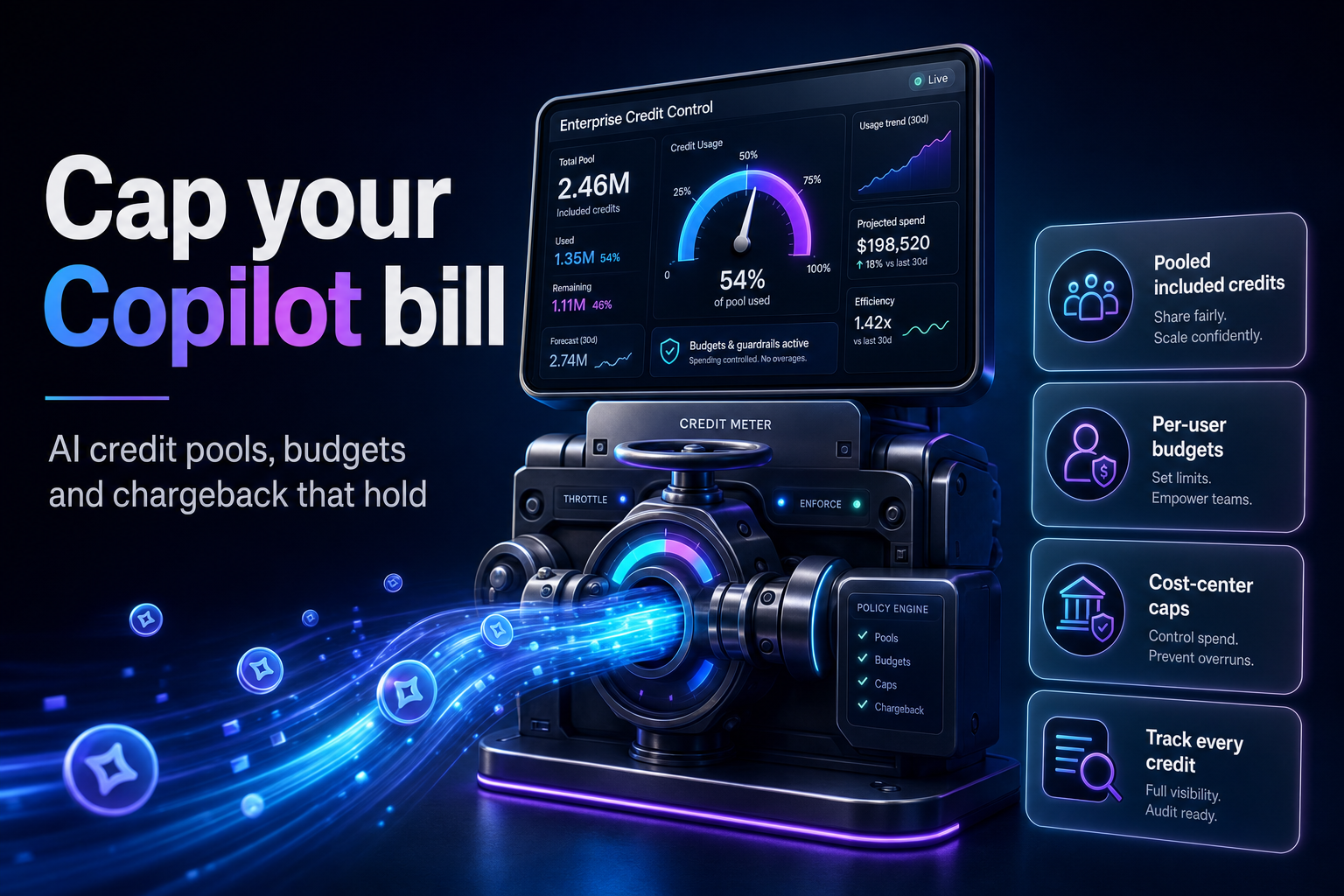
GitHub Copilot cost control in 2026: cap agent bills with credit pools and budgets
GitHub Copilot now bills by GitHub AI Credits, not seats alone. A senior engineer's guide to credit pools, cost-center caps, per-user budgets and chargeback that holds at scale in 2026.
Manu Shukla -
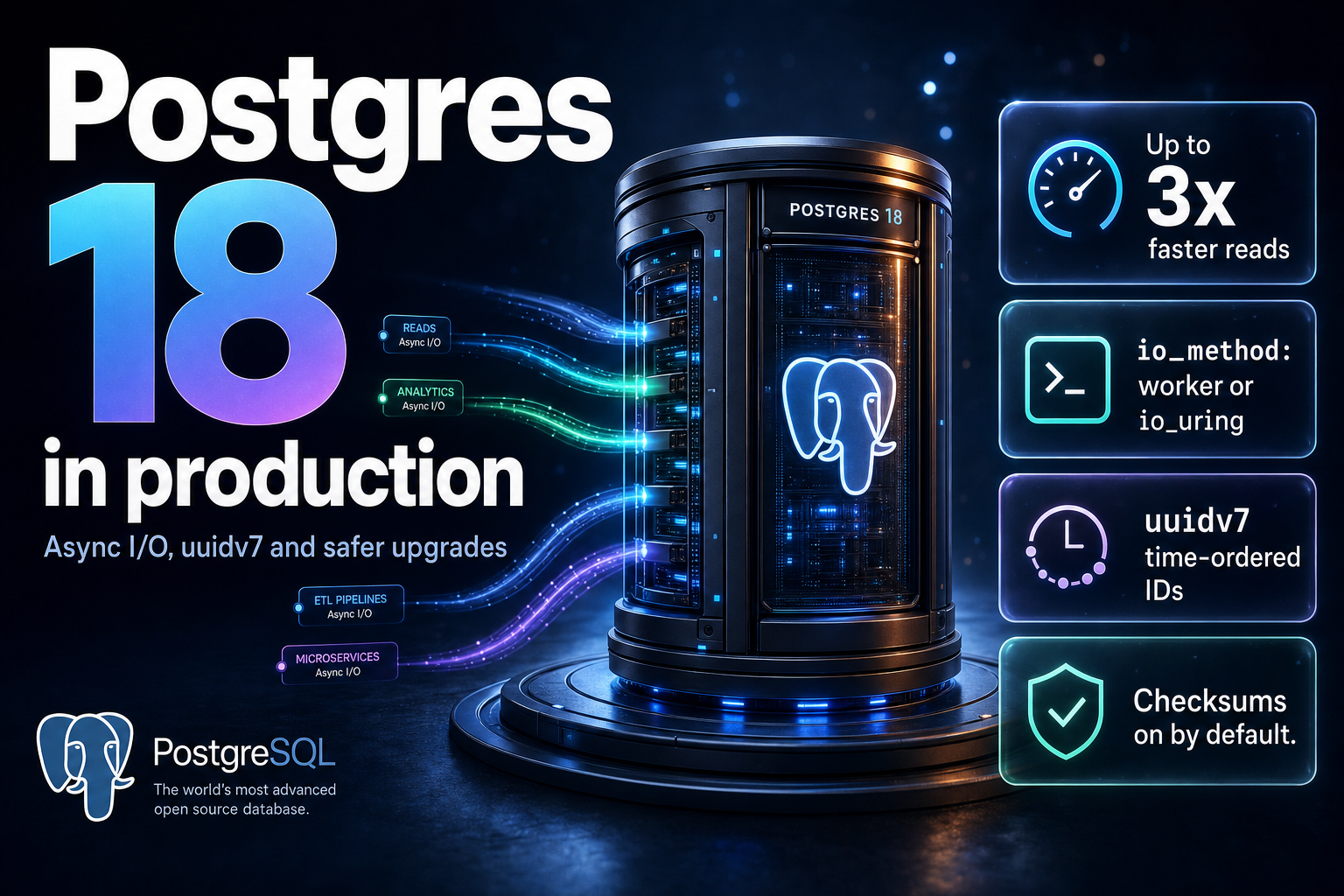
Postgres 18 in production: async I/O tuning, uuidv7, and a safe upgrade in 2026
PostgreSQL 18 brings asynchronous I/O with up to 3x faster reads, time-ordered uuidv7, and RETURNING OLD/NEW. This 2026 guide covers io_method tuning, a uuidv4-to-uuidv7 migration, and the upgrade gotchas, from page
Manu Shukla -

PyTorch 2.13 brings FlexAttention to Apple Silicon: a 12x sparse-attention speedup
PyTorch 2.13 landed FlexAttention on the Mac's Metal backend, with a documented ~12x speedup over SDPA on sparse masks. Here is what the numbers mean, how to write a mask in two lines, and where MLX still wins.
Manu Shukla -
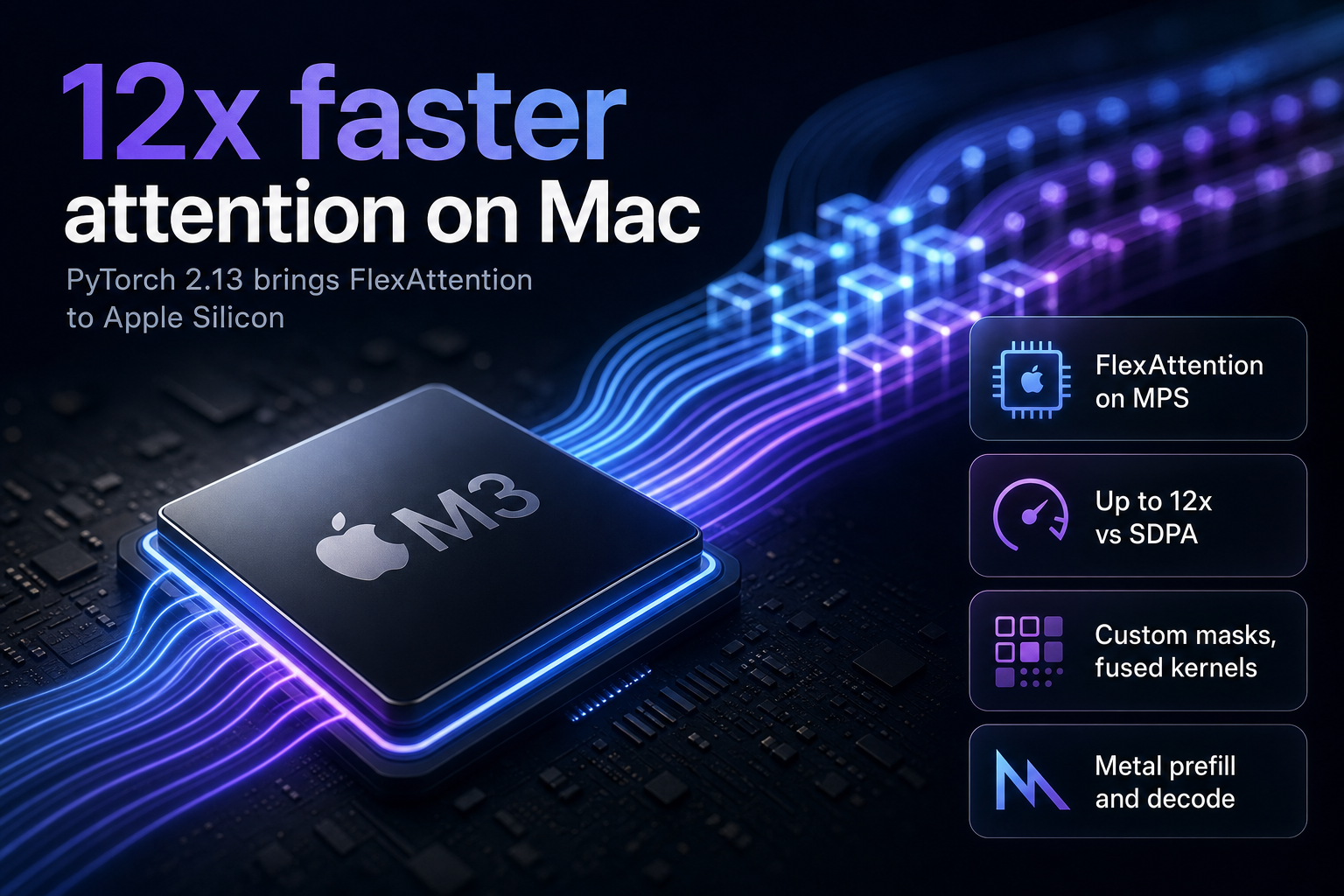
PyTorch 2.13 on Apple Silicon: FlexAttention is up to 12x faster than SDPA
PyTorch 2.13 lands FlexAttention on Apple Silicon with Metal kernels for sparse prefill and decode, up to 12x faster than SDPA. How the API works, what the numbers show, and when block-sparse attention pays off on a Mac.
Manu Shukla -

Slopsquatting in 2026: 7 controls to stop AI-hallucinated packages in CI
Slopsquatting turns AI package hallucinations into supply-chain attacks. A practical guide to the data, the confirmed incidents, and seven CI controls that block hallucinated dependencies before they reach production
Manu Shukla -
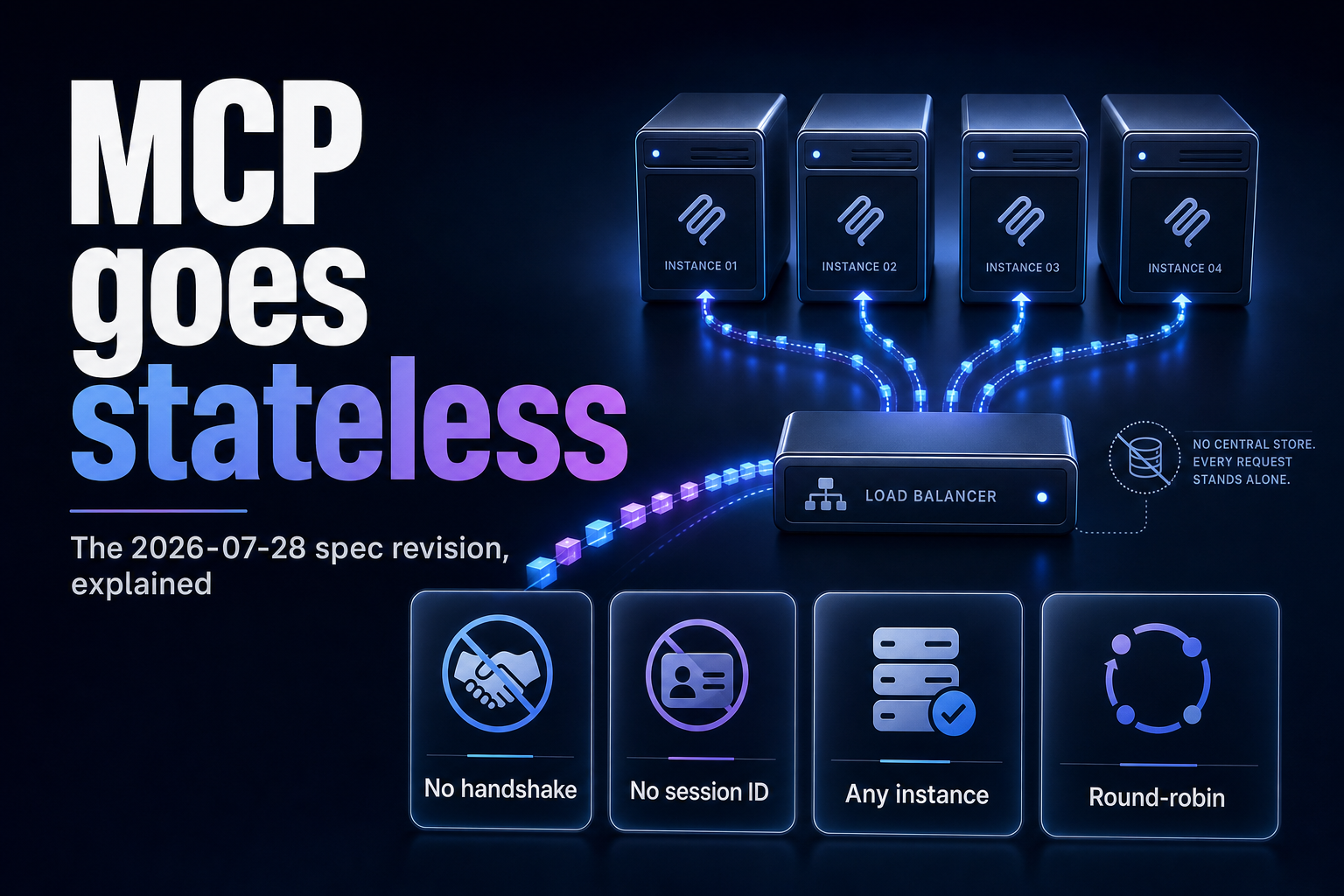
MCP 2026-07-28 lands on 28 July: what breaks, what does not, and how to migrate
The 2026-07-28 MCP revision removes the initialize handshake and the protocol-level session, so any instance can serve any request. The maintainers say nothing switches off on 28 July.
Manu Shukla -
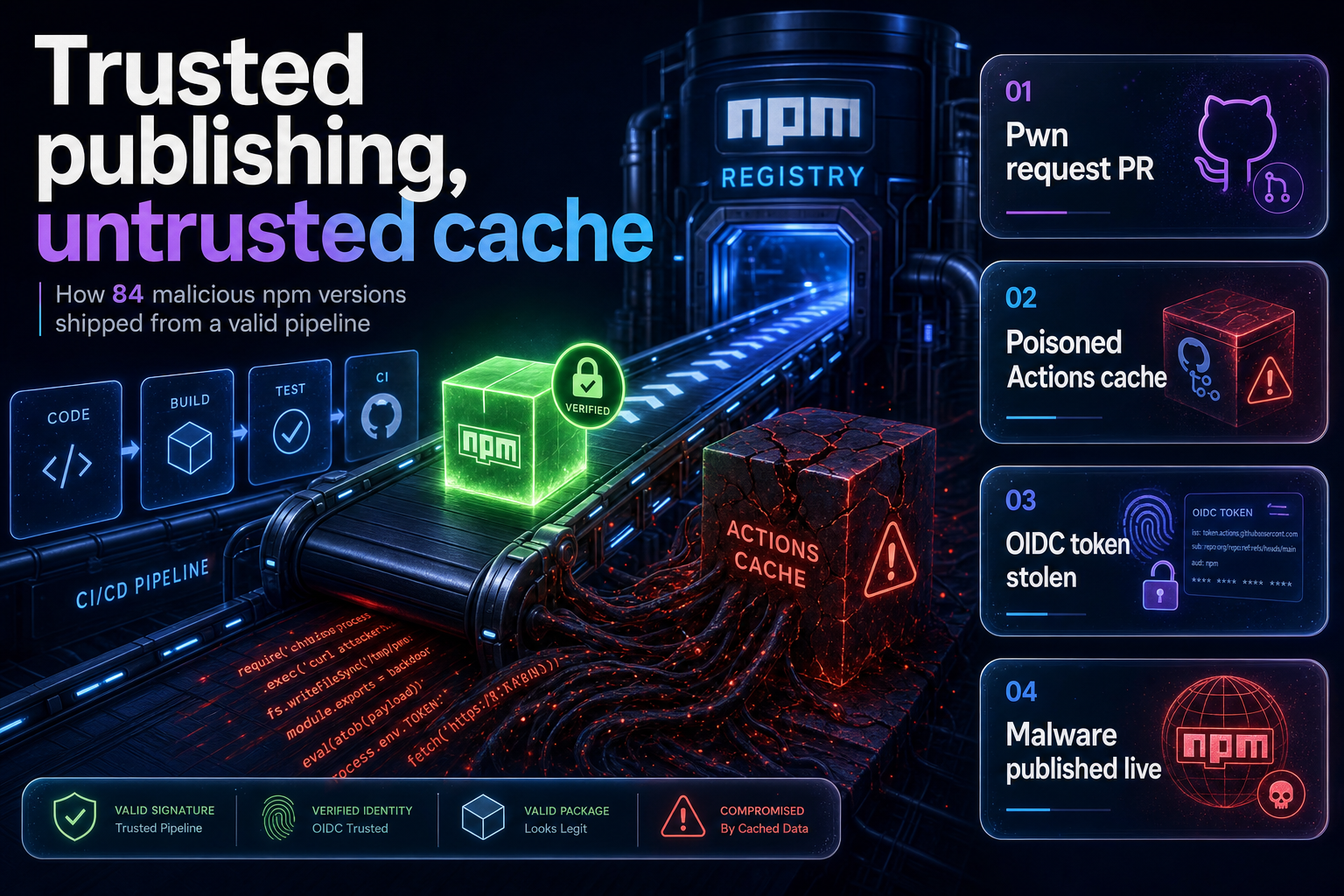
84 malicious npm versions in 6 minutes: the 2026 TanStack trusted-publishing breach and the CI config that stops it
TanStack's release pipeline authenticated 84 malicious npm versions in six minutes using a valid OIDC token. No token was stolen. Here is the chain, and the controls that close it as of July 2026.
Manu Shukla -
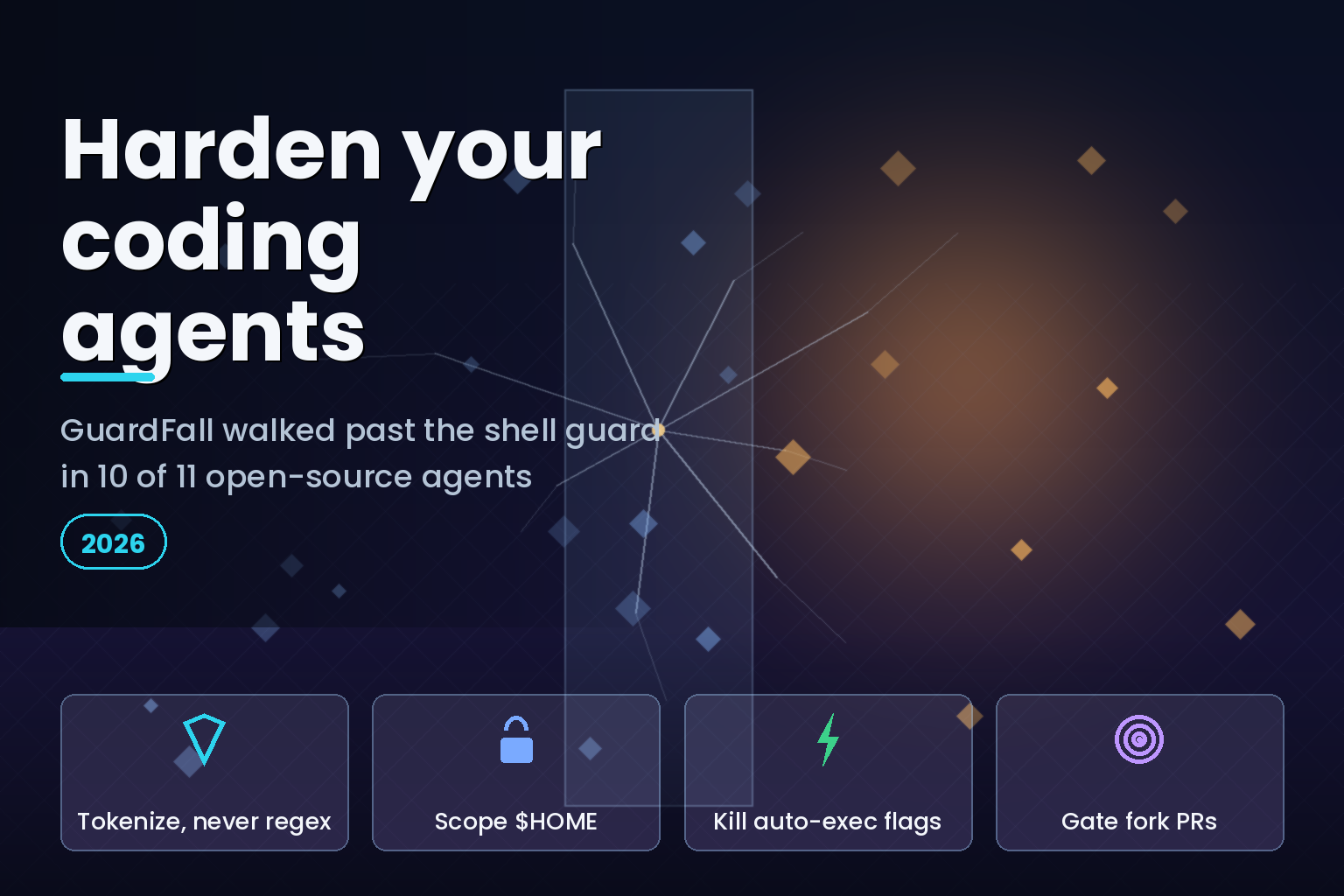
10 of 11 AI coding agents failed GuardFall: how to harden the shell guard in 2026
Adversa AI tested 11 open-source coding agents in June 2026 and beat the safety filter on 10 of them with shell tricks that are 30 years old. How the bypass works, which designs held, what to change now.
Manu Shukla -
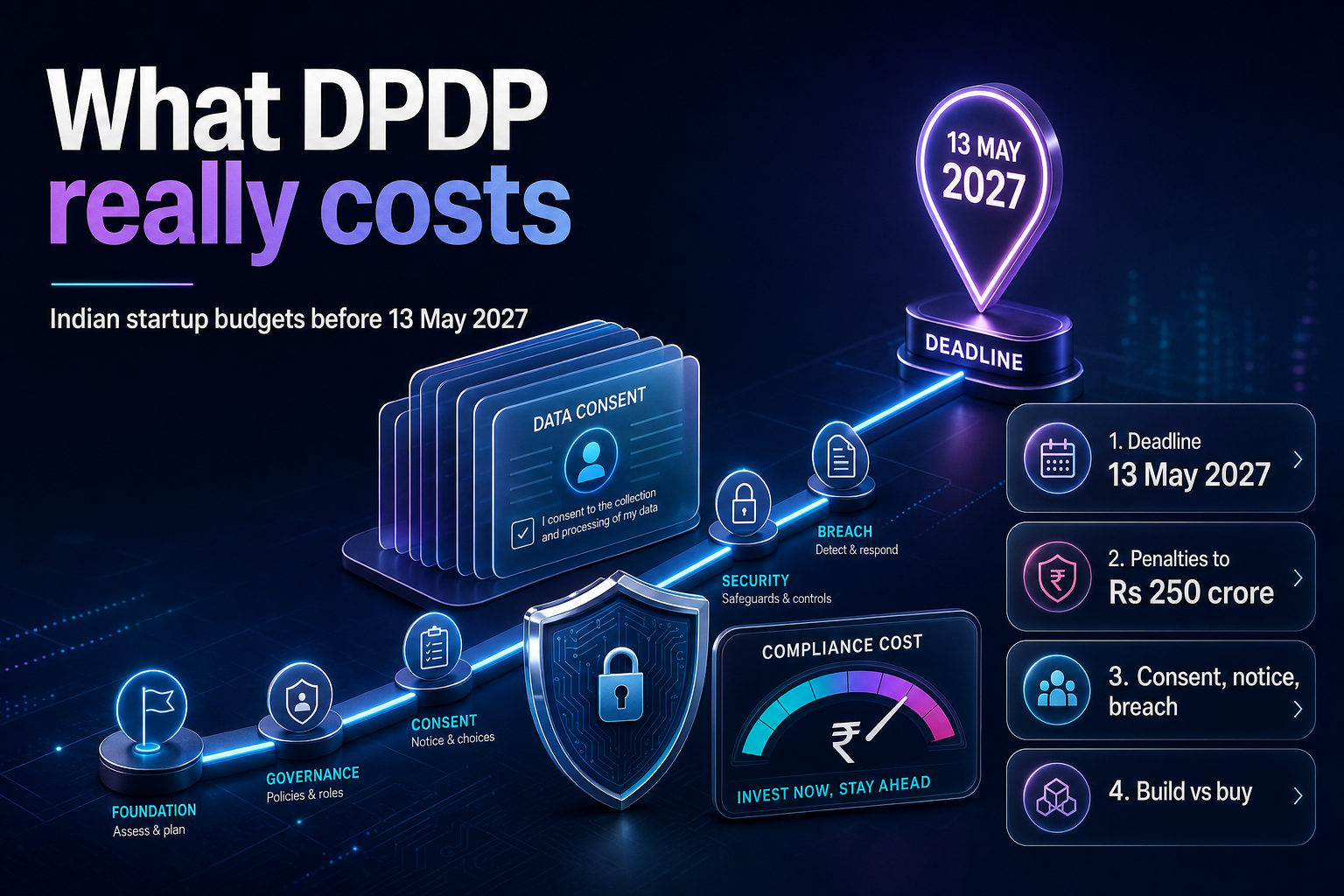
DPDP compliance costs for Indian startups: what to budget before 13 May 2027
Penalties reach ₹250 crore and full compliance is due 13 May 2027. Vendors quote ₹15 lakh to ₹2 crore. Here is what DPDP compliance actually costs a startup, and which line items you can build yourself.
Manu Shukla -
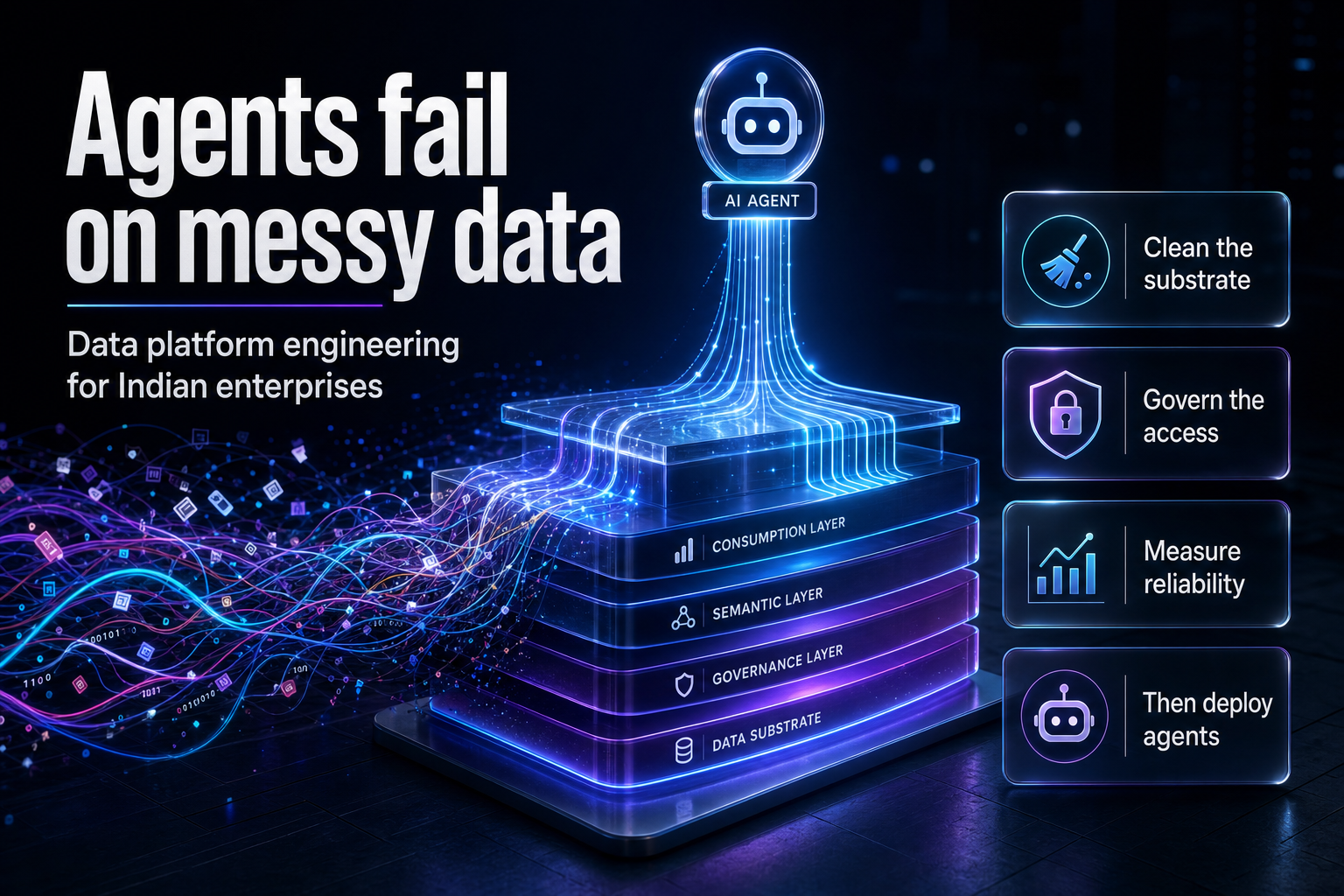
Data platform engineering for agentic AI in 2026: why 83% of enterprises must upgrade first
Agents run heavy queries across your whole organisation. If the data is fragmented, the agent is guessing. Here is what the data layer needs before an agent is worth deploying.
Manu Shukla -
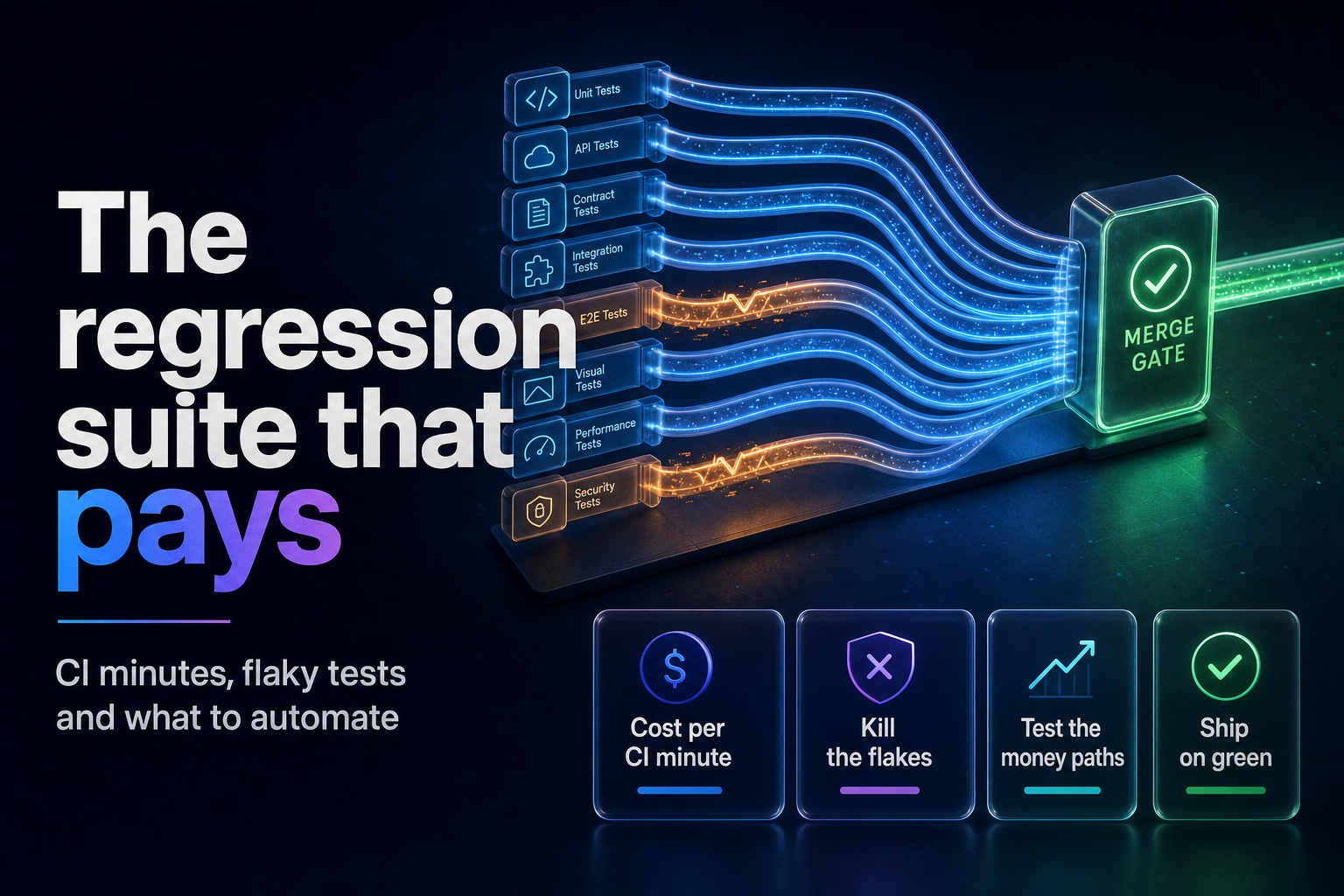
7 rules for a regression suite that pays for itself in 2026
GitHub reduced hosted runner prices by up to 39% on 1 January 2026, yet a macOS minute still costs $0.062 against $0.006 for Linux. Google found 84% of pass-to-fail transitions were flaky tests. Seven rules for a suite
Manu Shukla -
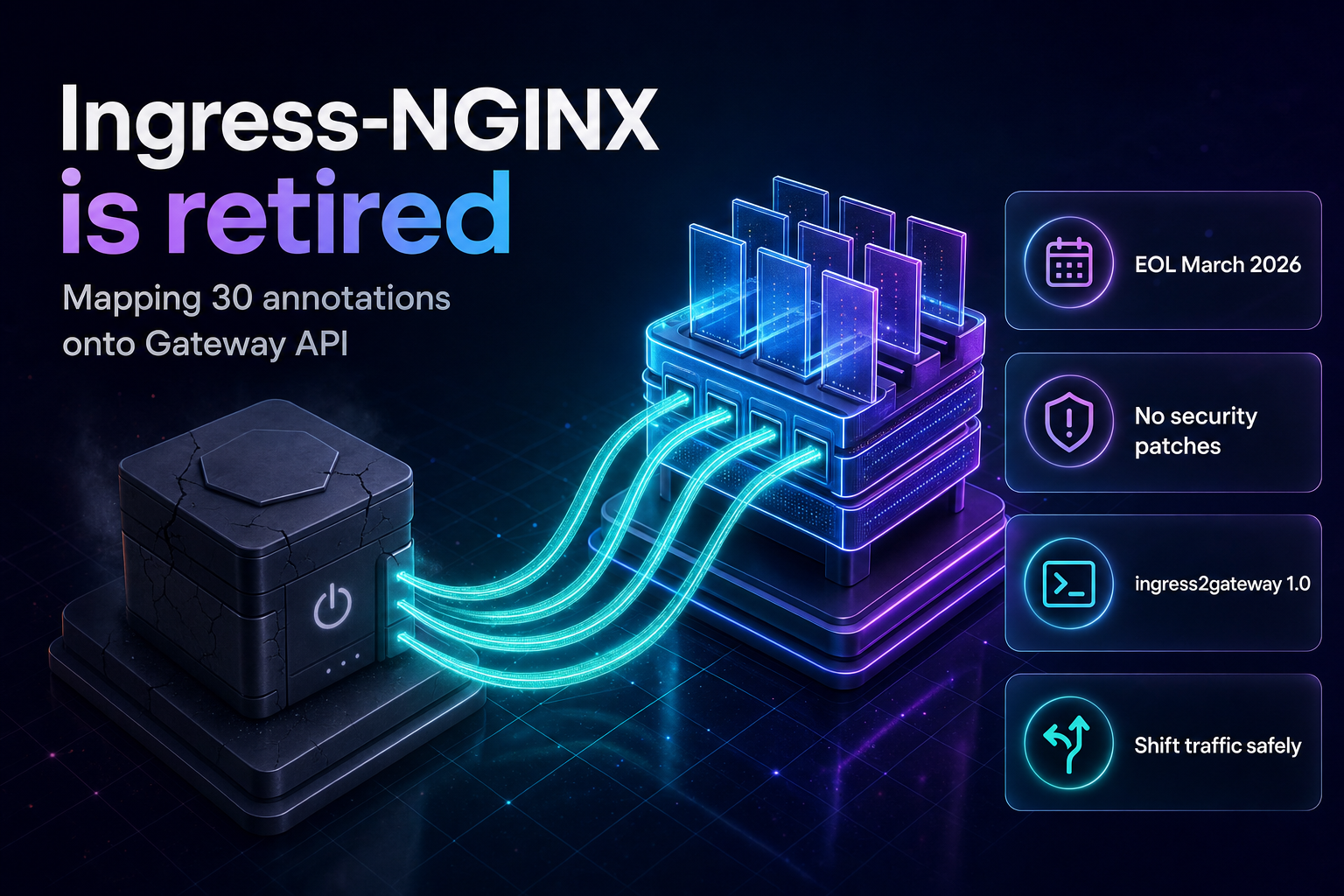
Ingress-NGINX retired in March 2026: the Gateway API migration plan for 30 annotations
Ingress-NGINX reached end of life in March 2026, and about half of cloud native environments ran it. A tested migration path to Gateway API using ingress2gateway 1.0, including what it cannot translate.
Manu Shukla -
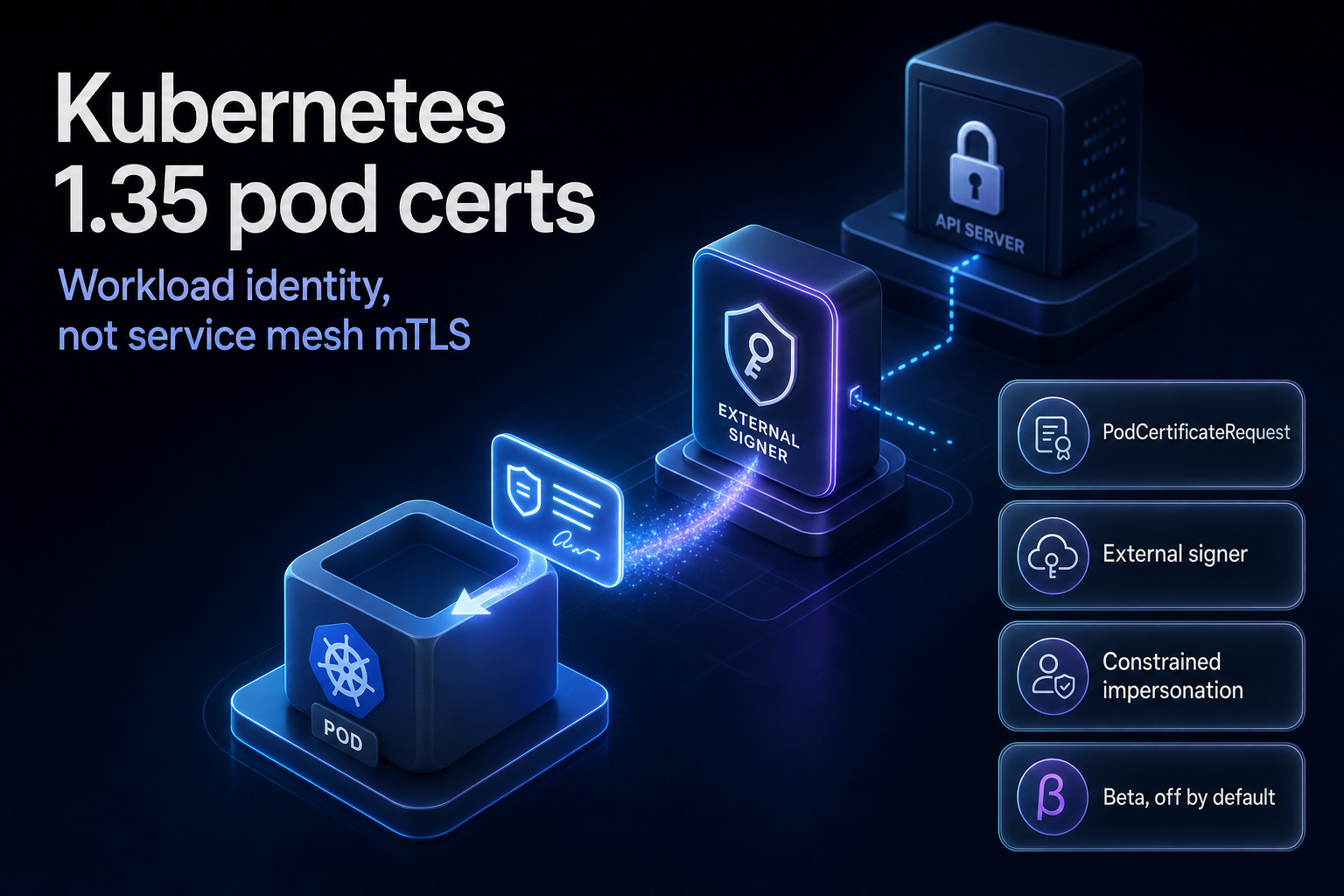
Kubernetes 1.35 pod certificates and constrained impersonation: what they actually fix
Kubernetes 1.35 shipped Pod Certificates at Beta and constrained impersonation at Alpha. Neither is the zero-trust mTLS upgrade the headlines promised, and the KEP says so directly. Here is the real scope.
Manu Shukla -
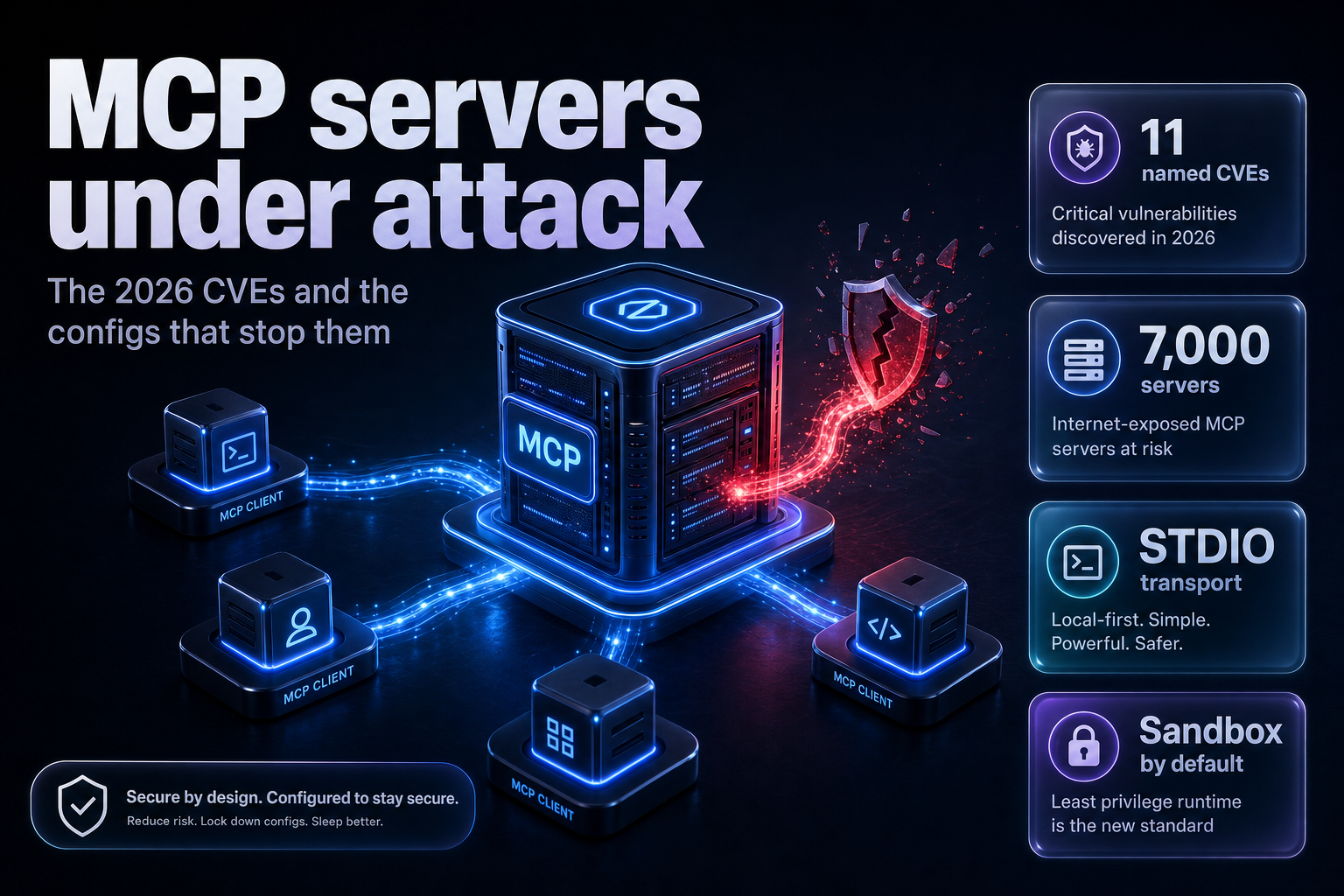
11 MCP server CVEs in 2026: the hardening configs that stop them
Eleven CVEs landed against Model Context Protocol implementations in April 2026, and Anthropic called the underlying STDIO behaviour expected. Here is what that means for anyone running MCP servers in production
Manu Shukla -
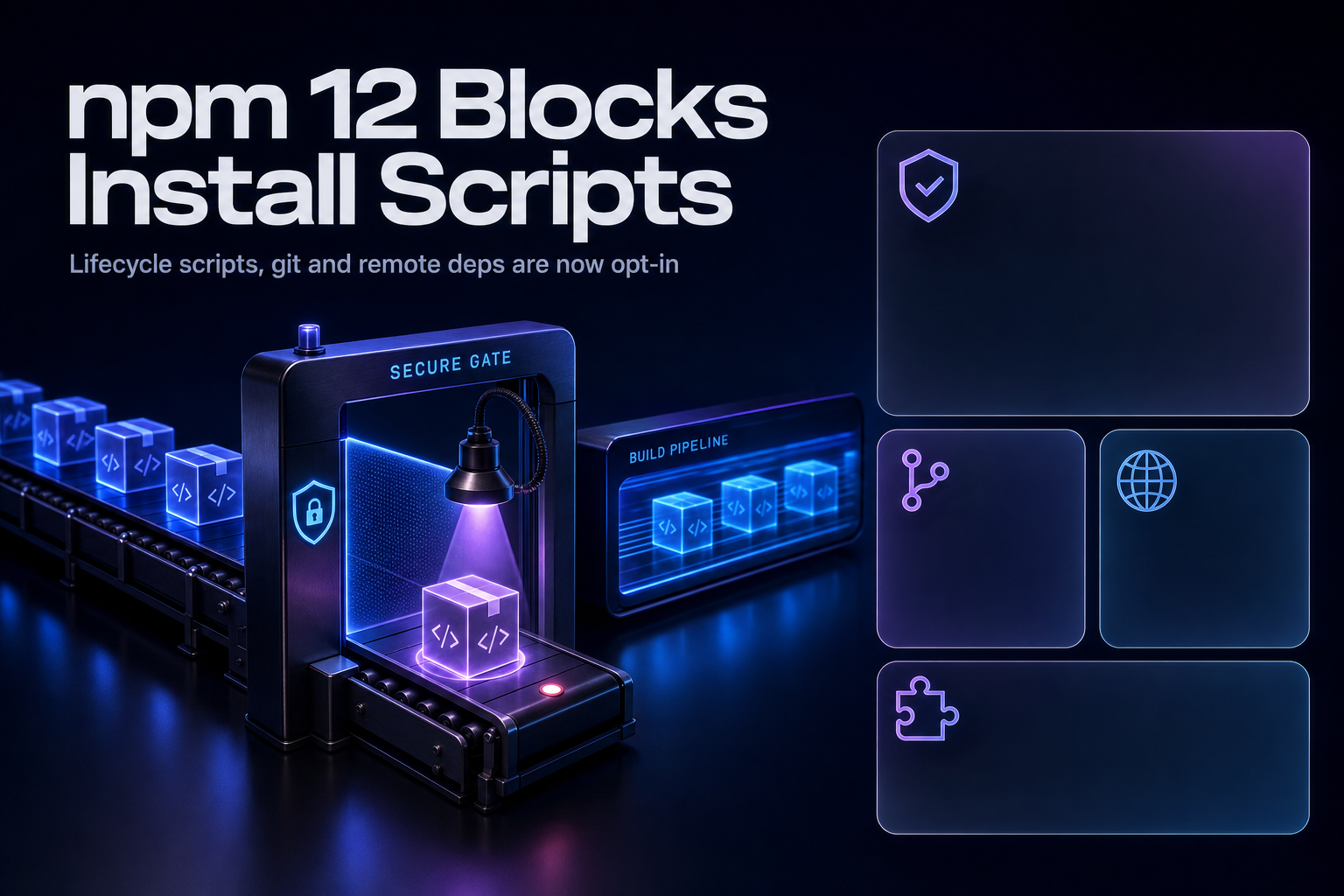
npm 12 shipped on 8 July 2026 with install scripts off by default: the CI fix
npm 12 is generally available and tagged latest. Lifecycle scripts, git dependencies and remote tarballs are now opt-in, node-gyp builds are blocked, and the failure shows up in CI first. Here is the migration.
Manu Shukla -
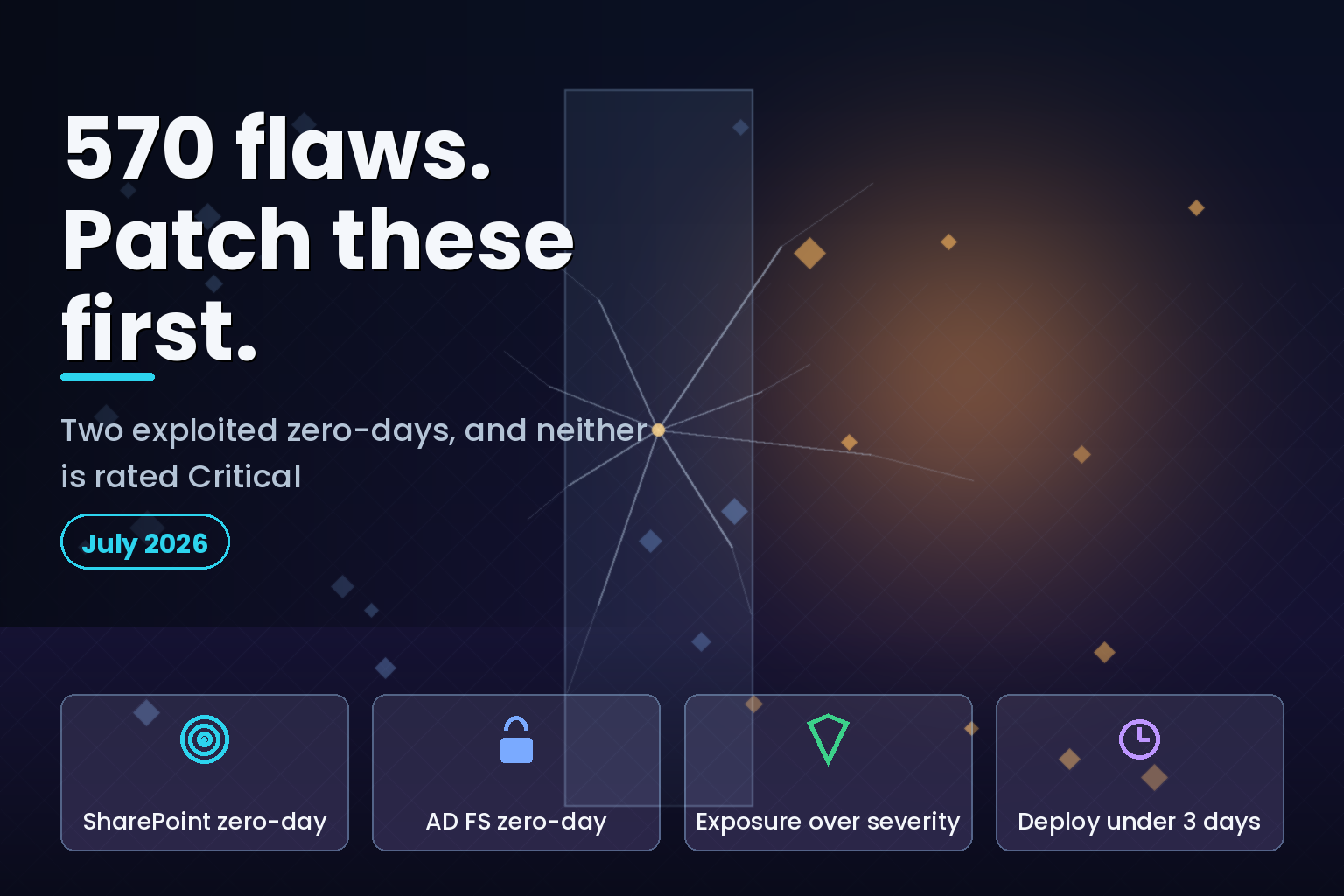
Microsoft's record 570-flaw Patch Tuesday: the July 2026 triage plan
Microsoft's July 2026 Patch Tuesday fixed a record 570 flaws, including two zero-days already under attack. AI-assisted discovery is why the number exploded, and why the old triage signals stopped working.
Manu Shukla -
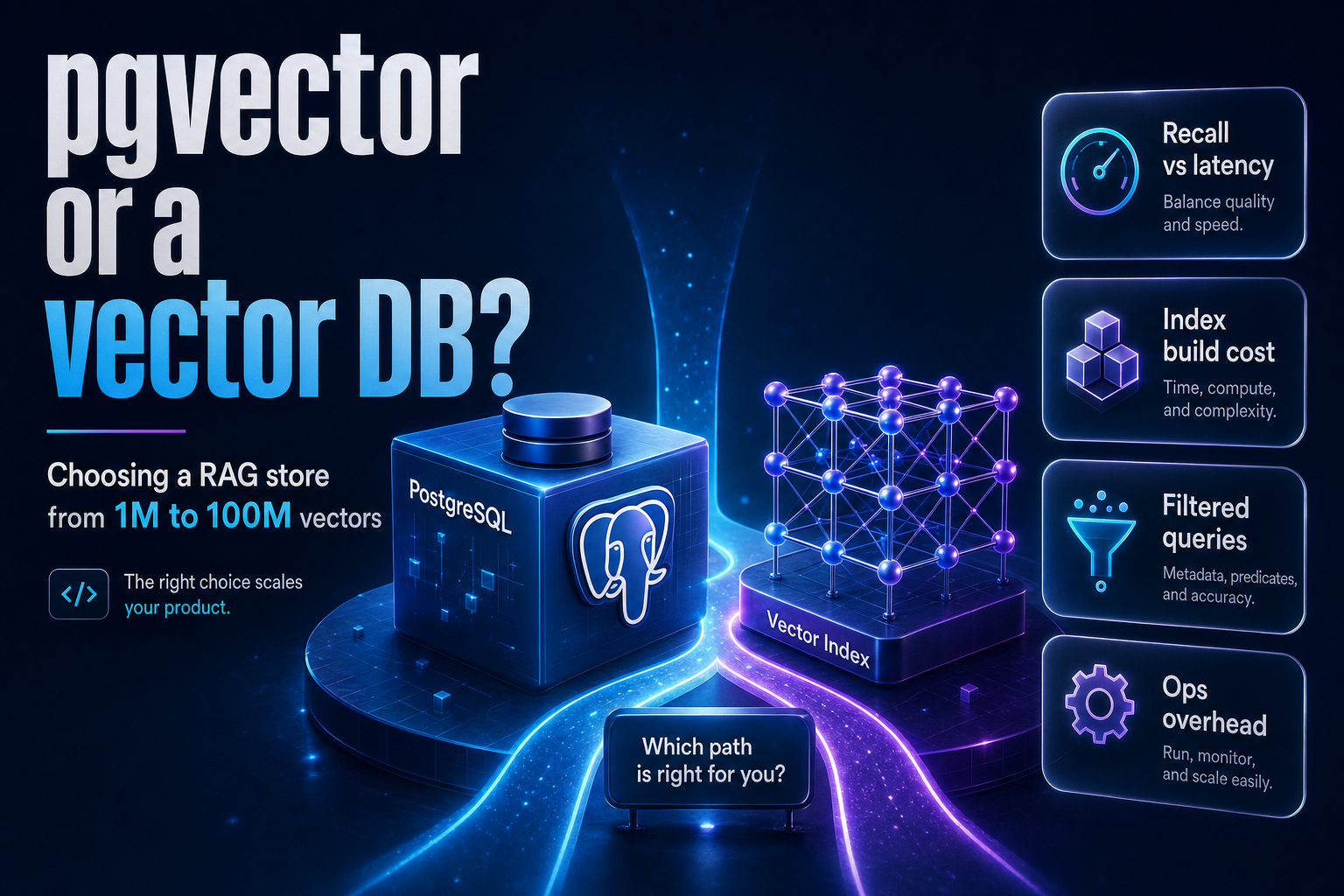
pgvector or a dedicated vector database? A RAG decision guide for 1M to 100M vectors
Most pgvector-versus-vector-database comparisons quote one vendor benchmark from April 2025 that ran no filtered queries and tested an extension most teams do not install. Here is what the primary sources actually
Manu Shukla -
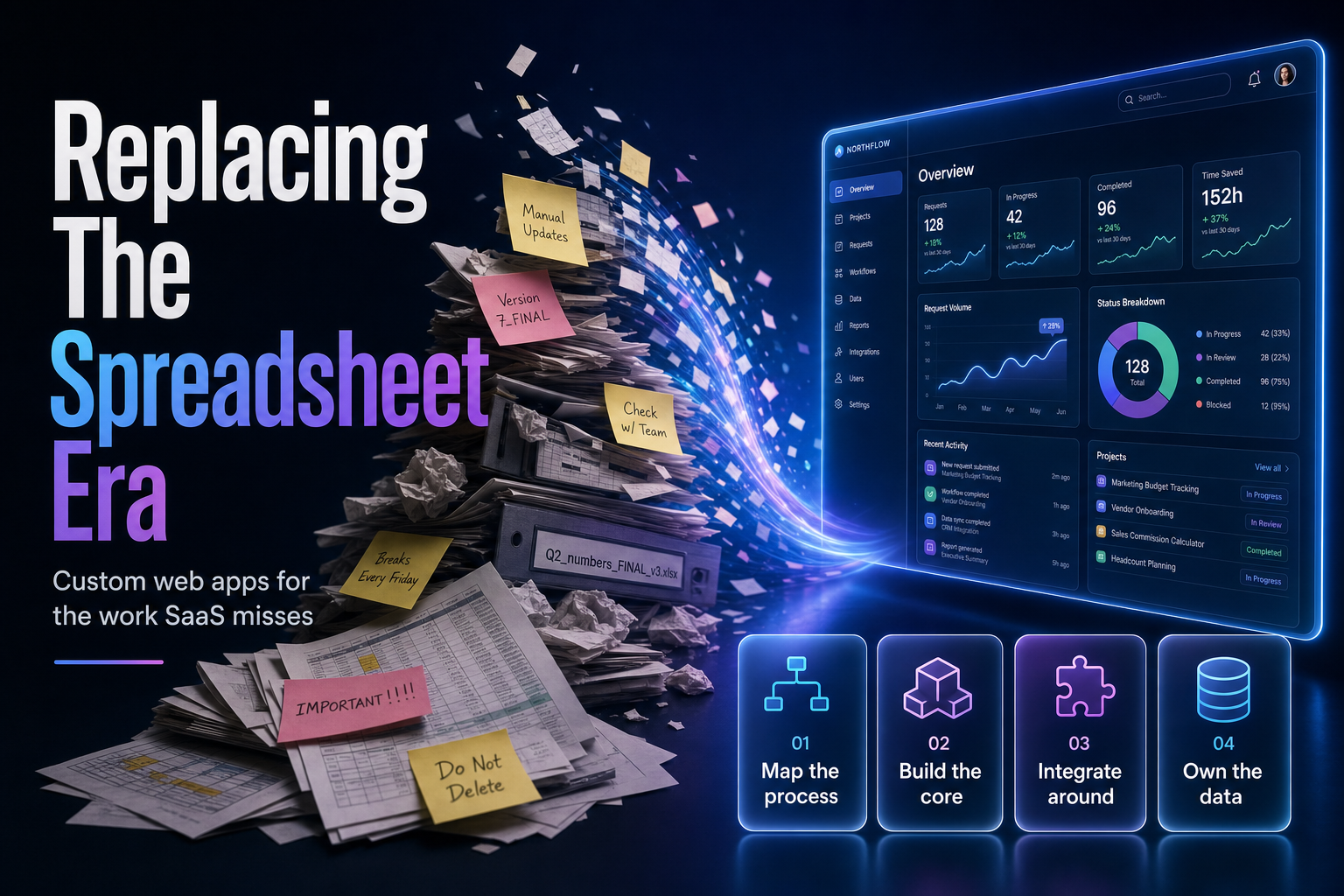
Custom web application development in India in 2026: ₹5 lakh to ₹30 lakh, and when to build
Custom web applications in India run ₹5 lakh to ₹30 lakh in 2026, at engineering rates of $15 to $35 per hour against $100 to $200 in the US. But cost is the wrong first question. Three testable signals decide whether
Manu Shukla -
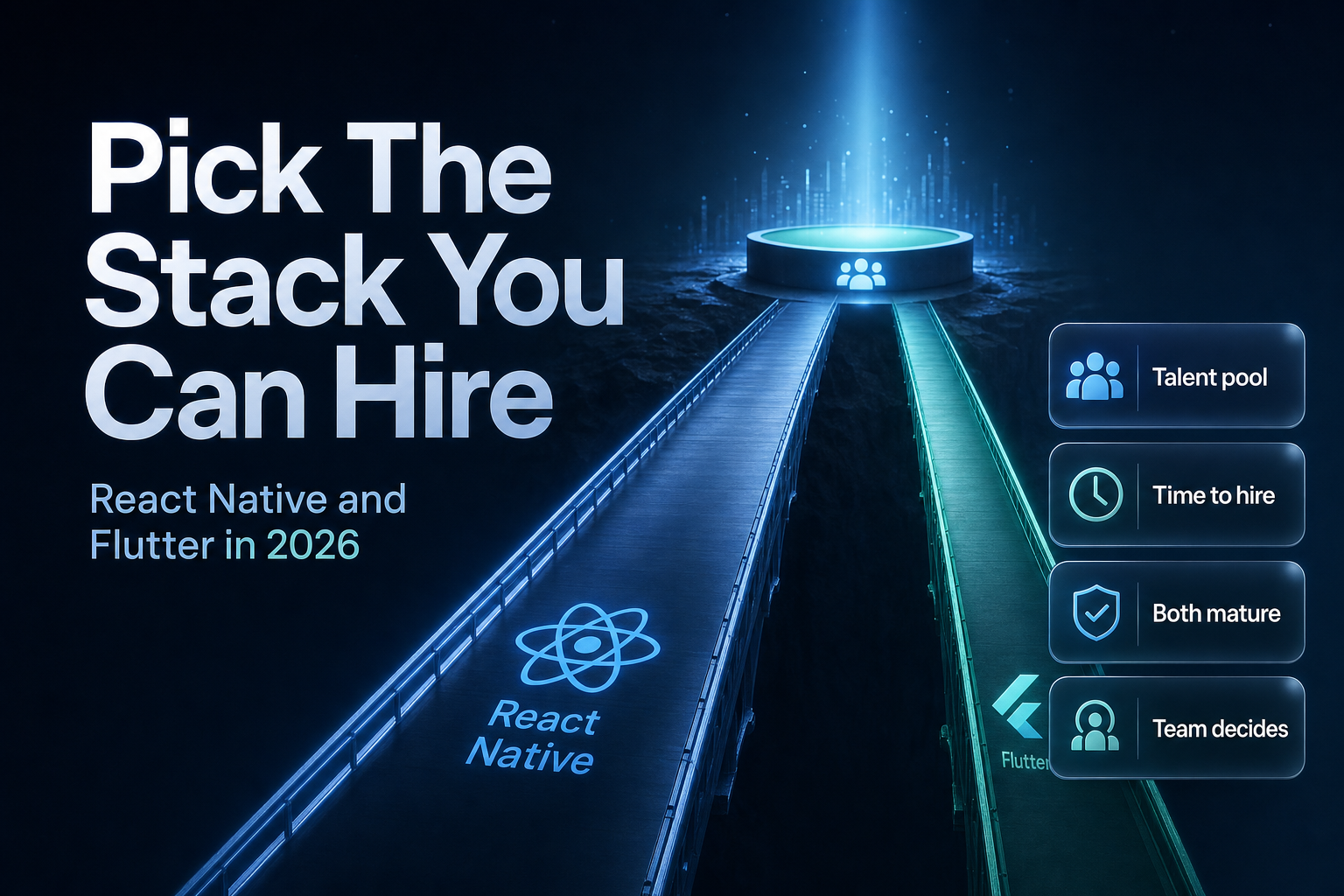
React Native's talent pool is 10x Flutter's: the 2026 cross-platform decision for CTOs
The React Native talent pool runs roughly 10 to 15 times larger than Flutter's, and a senior US hire takes 4 to 8 weeks against 8 to 16 for Flutter. Performance is no longer the deciding variable: both frameworks clear
Manu Shukla -
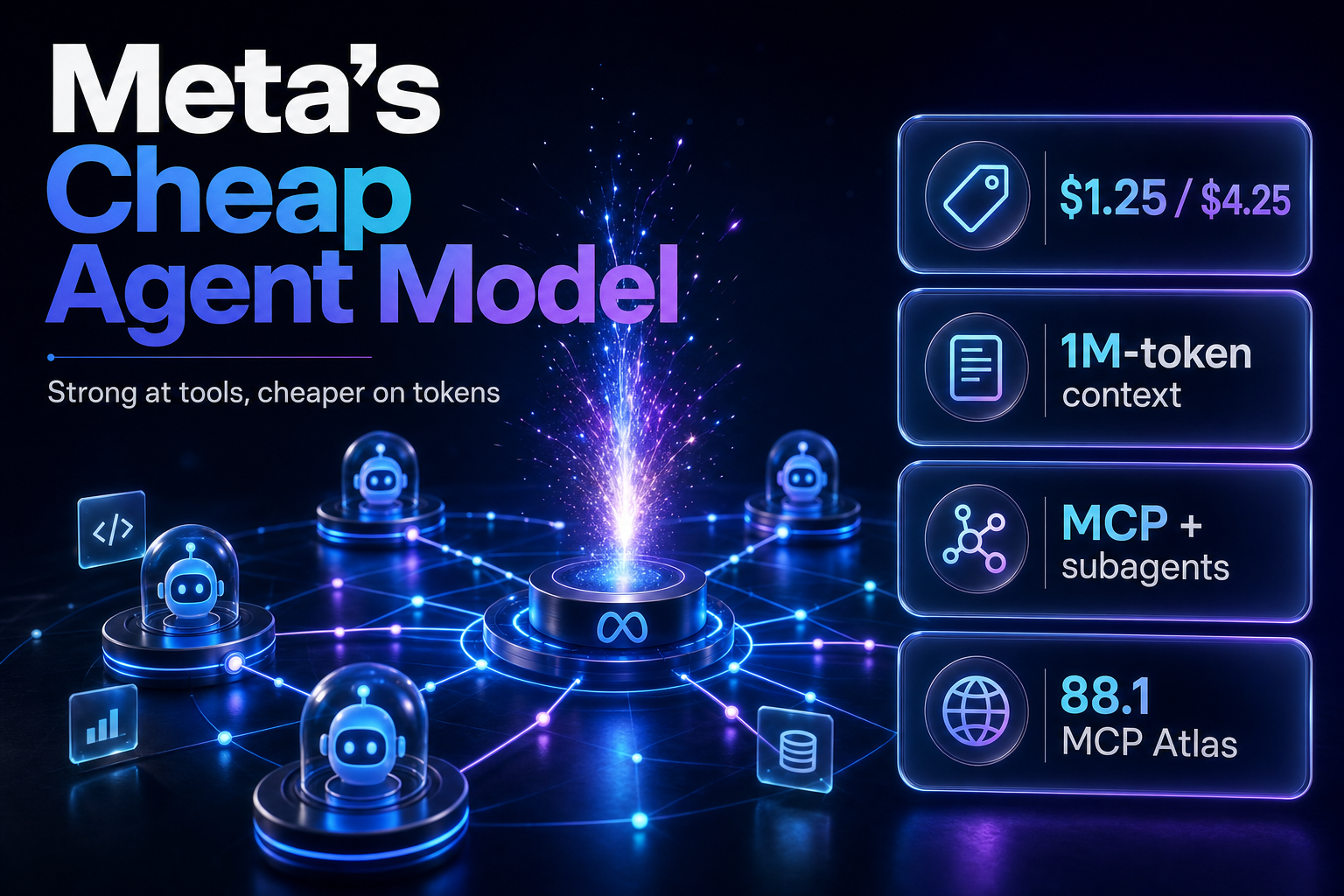
Meta shipped Muse Spark 1.1 in 2026: what dev teams should know
Meta shipped Muse Spark 1.1 on July 9, 2026, a 1M-token agentic model priced at a quarter of rival rates. It leads on tool use but trails on raw coding. What that means for how dev teams route work.
Manu Shukla -

Flutter comes to LG webOS TVs in 2026: a cross-platform developer's guide
Flutter now targets LG webOS TVs, with a public SDK expected in the first half of 2026 and LG rewriting its own apps in Flutter. Here is what the big screen adds for cross-platform teams, and when a TV build is worth it.
Manu Shukla -
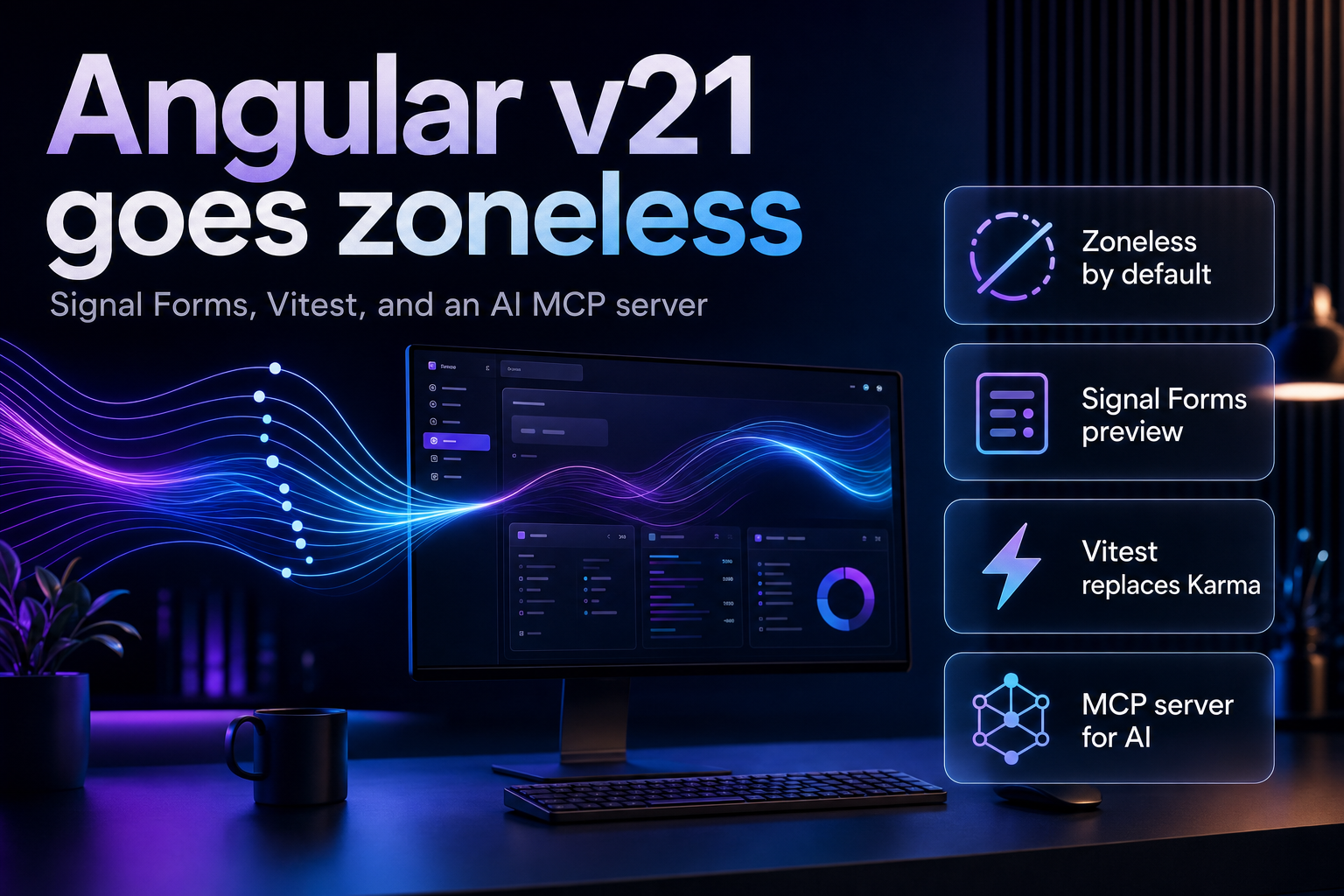
Angular v21: zoneless by default, Signal Forms, and an AI MCP server (2026)
Angular v21 ships zoneless change detection by default, experimental Signal Forms, Vitest as the default test runner, and a built-in MCP server for AI coding. A developer's guide to the features and a safe upgrade
Manu Shukla -
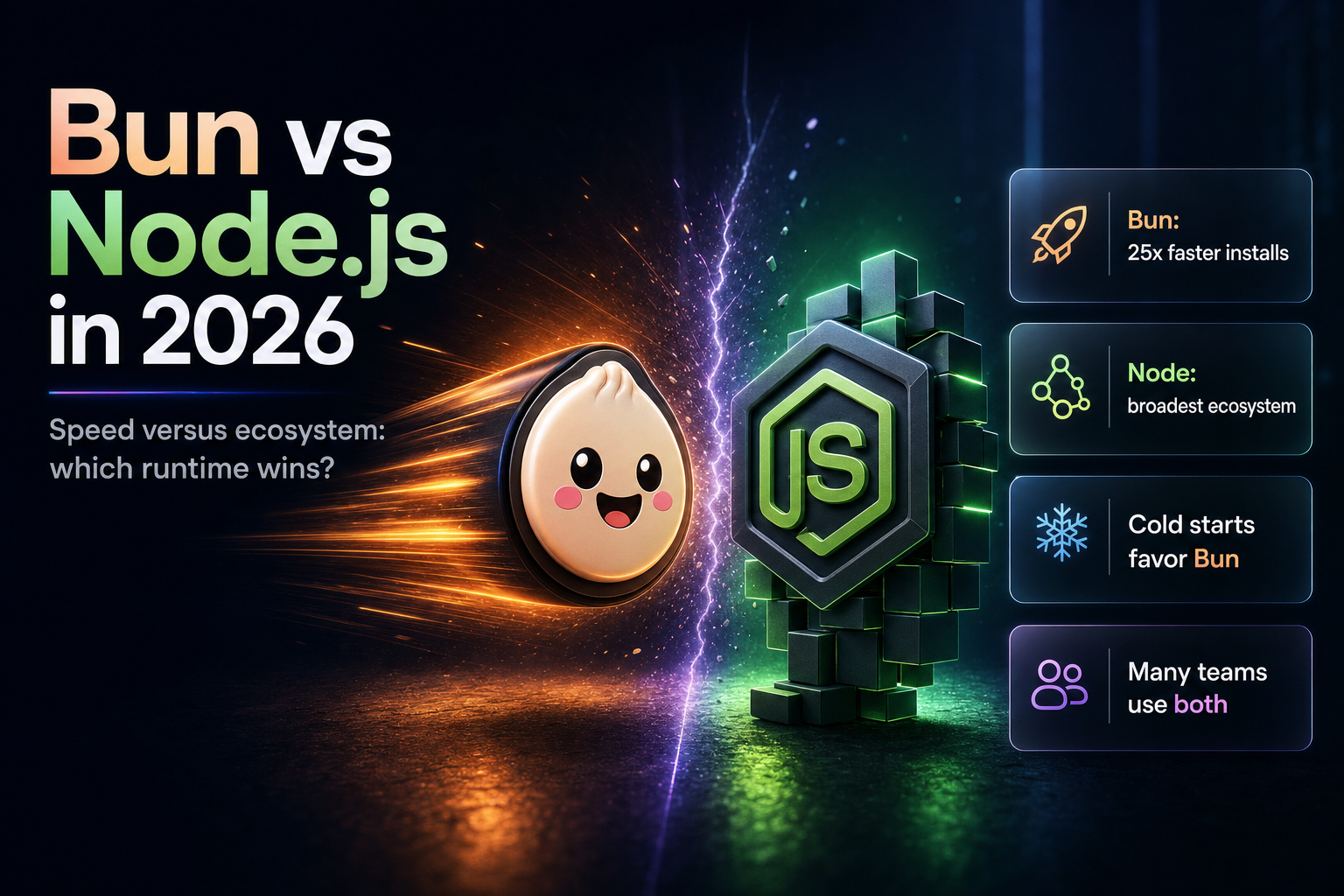
Bun vs Node.js in 2026: which backend runtime should your team choose?
Bun 1.3 installs packages 25 times faster than npm and boots in milliseconds, but Node.js wins on ecosystem depth and support. A practical 2026 comparison, with real benchmarks and a clear verdict on when to use each.
Manu Shukla -
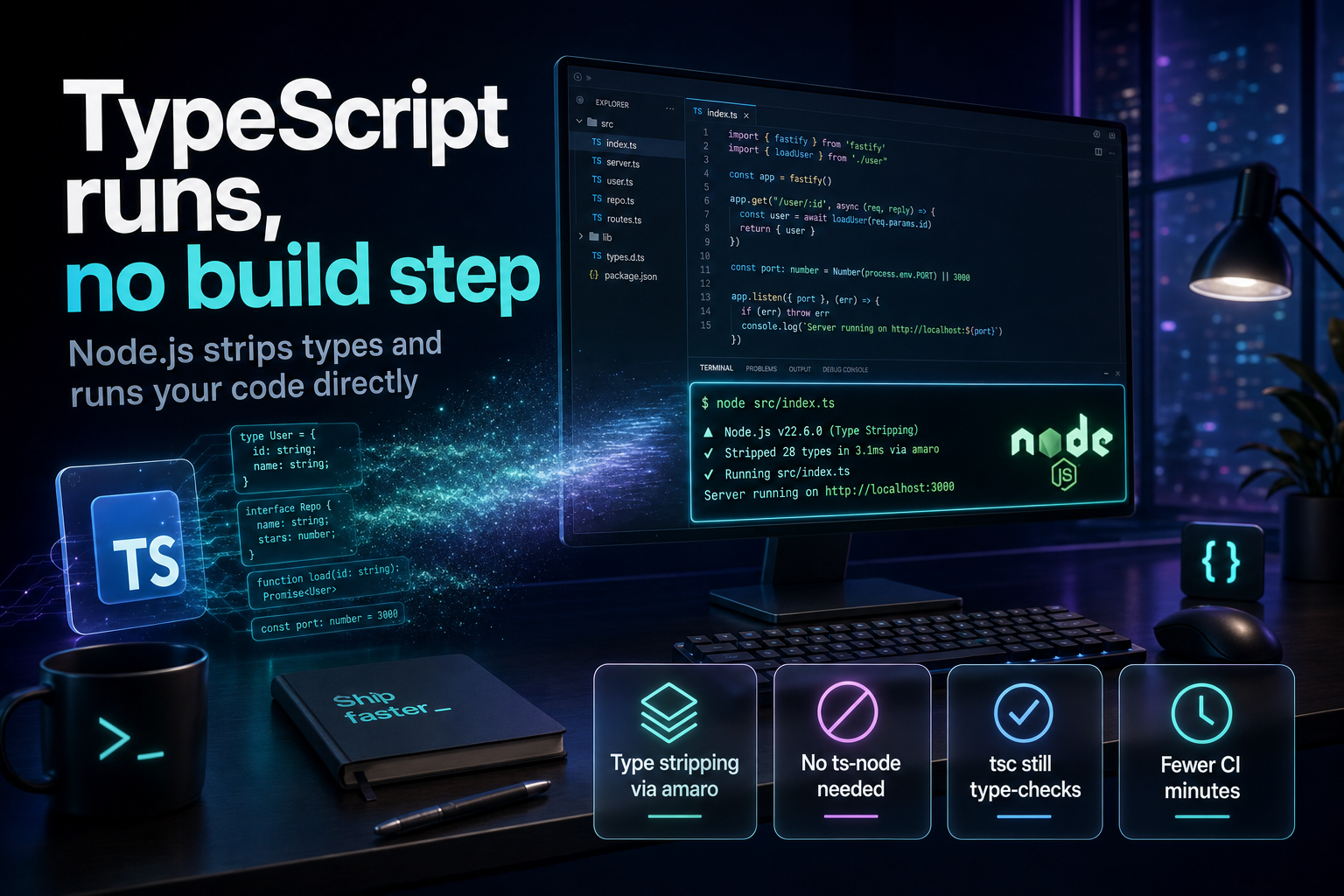
Node.js runs TypeScript natively in 2026: drop ts-node and your build step
Node.js now strips TypeScript types and runs the JavaScript underneath, so ts-node and a build step are optional. What works, what breaks, and why you still need tsc for type checking in 2026.
Manu Shukla -
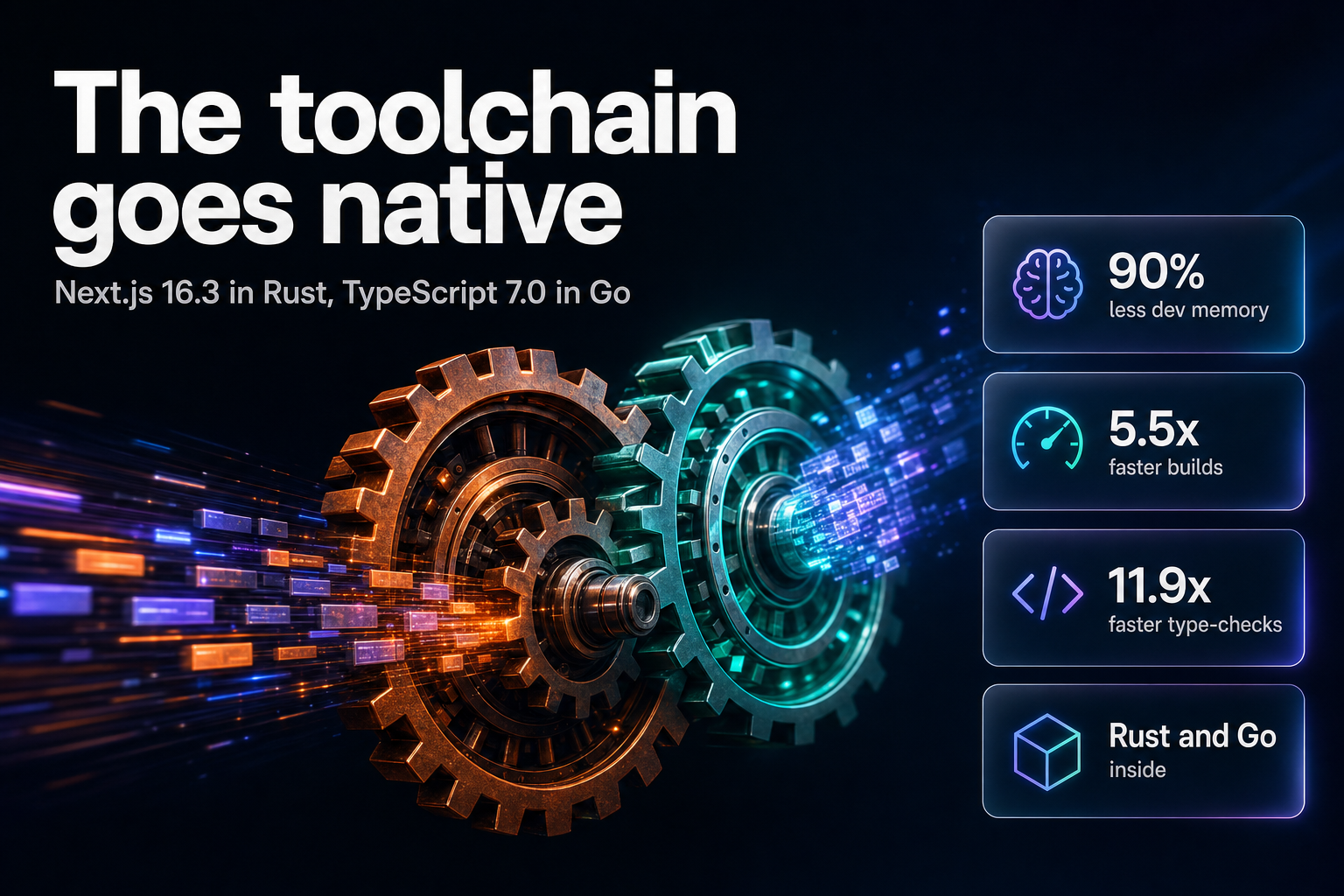
Next.js 16.3 and TypeScript 7.0: what the Rust and Go toolchain shift means for web teams in 2026
Next.js 16.3 cut Turbopack dev memory up to 90% and TypeScript 7.0 went GA on July 8, 2026 with a Go compiler that type-checks up to 11.9x faster. What the Rust and Go toolchain shift means for web teams.
Manu Shukla -

AI-assisted cyberattacks in 2026: why 84% abuse the tools you already run
Unit 42 found AI accelerated attacks 4x in 2026, with the fastest intrusions reaching data in 72 minutes and identity behind nearly 90% of breaches. Here is what changed and how CTOs and security leaders should respond.
Manu Shukla -
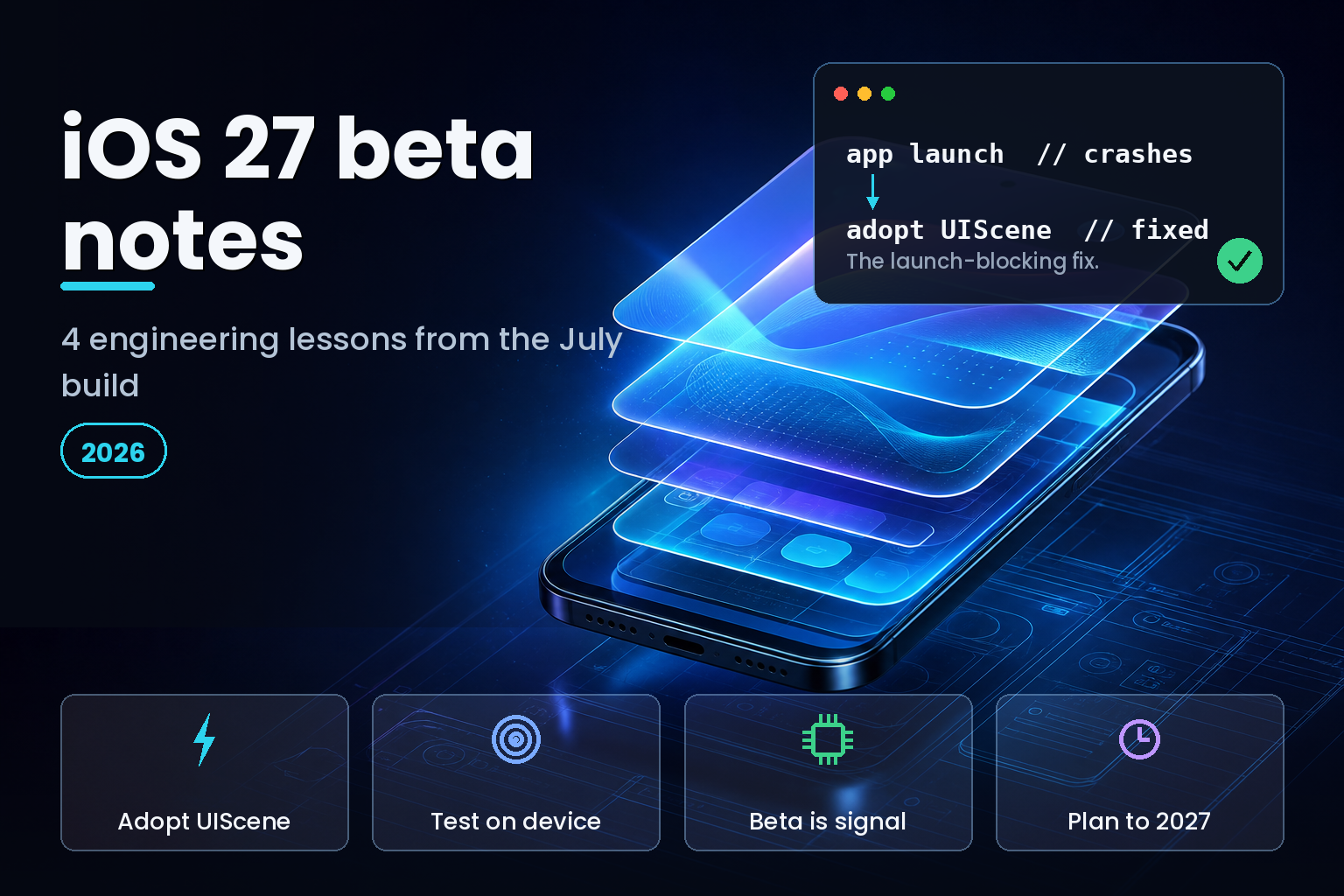
4 engineering lessons from shipping against the iOS 27 beta
The iOS 27 beta is not a routine recompile. UIScene is now mandatory, Liquid Glass is forced on every app, and beta 1 is full of OS bugs. Four field-tested engineering lessons for teams shipping on Apple platforms
Manu Shukla -
5 lessons from shipping enterprise AI agents in 2026
Over 40% of agentic AI projects will be canceled by the end of 2027, per Gartner. These are the five lessons eCorpIT learned shipping enterprise AI agents that actually reach production, priced in 2026 dollars
Manu Shukla -
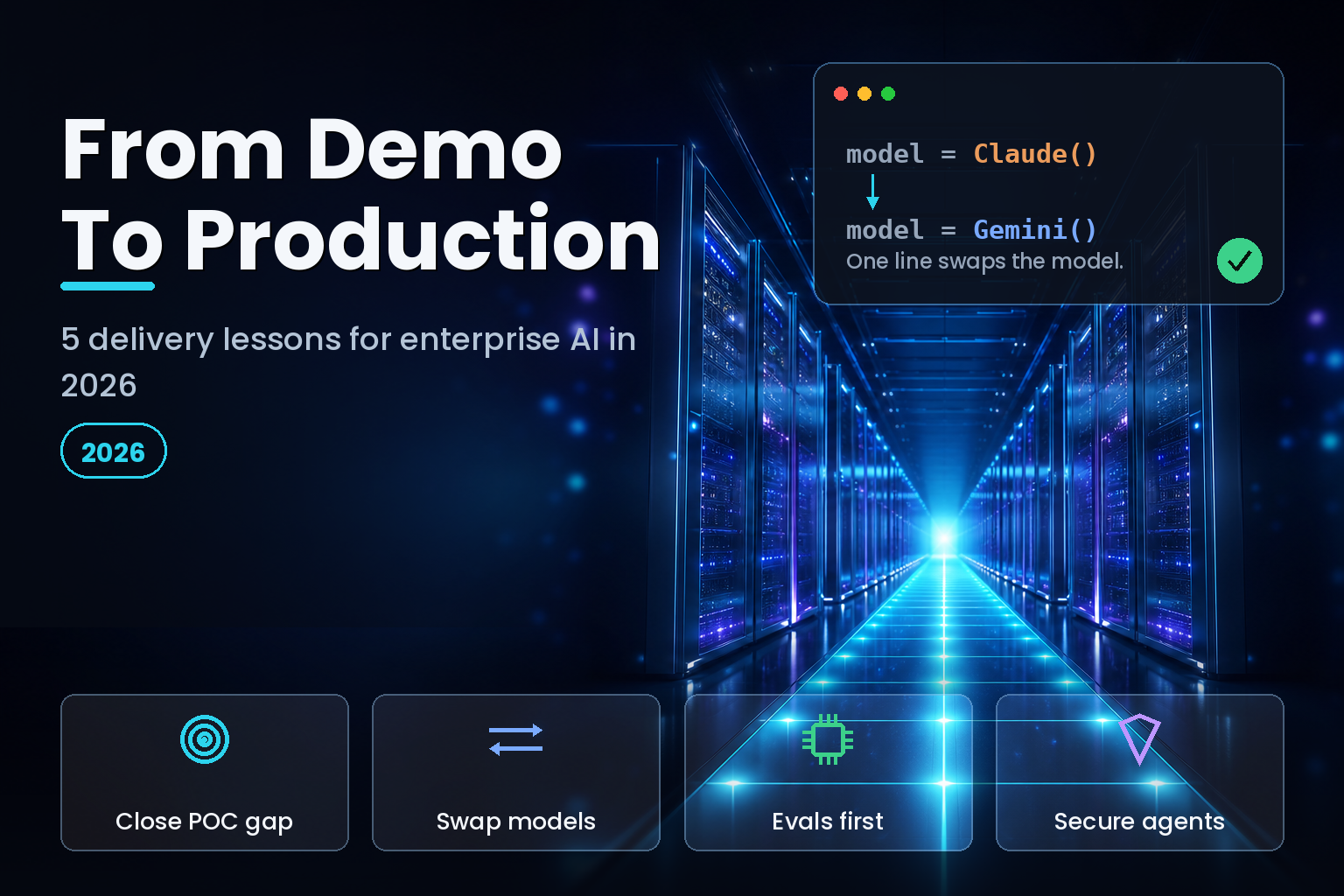
5 AI Delivery Lessons From Production Enterprise Builds in 2026
Most enterprise AI never reaches production, and much that does shows no measurable return. Five delivery lessons tied to what breaks between a working demo and a system real users trust in 2026.
Manu Shukla -
5 engineering lessons from shipping AI delivery at eCorpIT (2026)
Five engineering lessons from shipping AI delivery: treat the model as swappable, start with evals not vibes, budget tokens and latency, ground outputs with retrieval, and build security in from day one.
Manu Shukla -
5 engineering lessons from shipping AI delivery work in 2026
The launch of eCorpIT Insights: five engineering lessons from shipping AI delivery work, covering amplification, evals as infrastructure, human review, token economics, and delivery stability.
Manu Shukla -
5 engineering lessons from shipping AI features against iOS 27 betas
Five engineering field notes from building AI features against the iOS 27 betas: the 4,096-token on-device context window, the device split, the Evaluations framework, native tools, and a moving beta target.
Manu Shukla -

7 engineering lessons for shipping production AI in 2026
MIT's 2025 research found 95% of generative AI pilots deliver no measurable return despite $30-40 billion in spend. These seven engineering lessons, drawn from eCorpIT's delivery work, separate the AI projects that
Manu Shukla -
5 hard-won lessons from shipping production AI agents in 2026
Most enterprise AI agents never reach production, and quality kills a third that do. Five hard-won lessons from shipping production AI agents: scope, harness, observability, guardrails and human oversight.
Manu Shukla -
3 engineering lessons from shipping enterprise AI agents in 2026
Gartner expects over 40% of agentic AI projects to be canceled by 2027, and production agents succeed about 56.6% of the time. Three engineering lessons from shipping enterprise AI agents in 2026.
Manu Shukla -
8 quick-commerce tech decisions for D2C brands in 2026 (ONDC-ready)
Indian D2C brands now sell across their own site, marketplaces, quick commerce, and ONDC at once. Here are eight tech decisions that make an ONDC-ready stack work and stay profitable in 2026.
Manu Shukla -
5 application modernization patterns that cut delivery risk in 2026
Most modernization fails on delivery risk, not technology. Here are five patterns that cut that risk in 2026, framed as a platform engineering playbook, from strangler fig to DORA-metric guardrails.
Manu Shukla -
Privacy-first AI architecture: 6 lessons from Apple's 2026 stack
Apple rebuilt its AI stack around privacy in 2026. Here are six lessons founders and engineering leaders can take from its hybrid architecture when building privacy-conscious AI systems.
Manu Shukla -
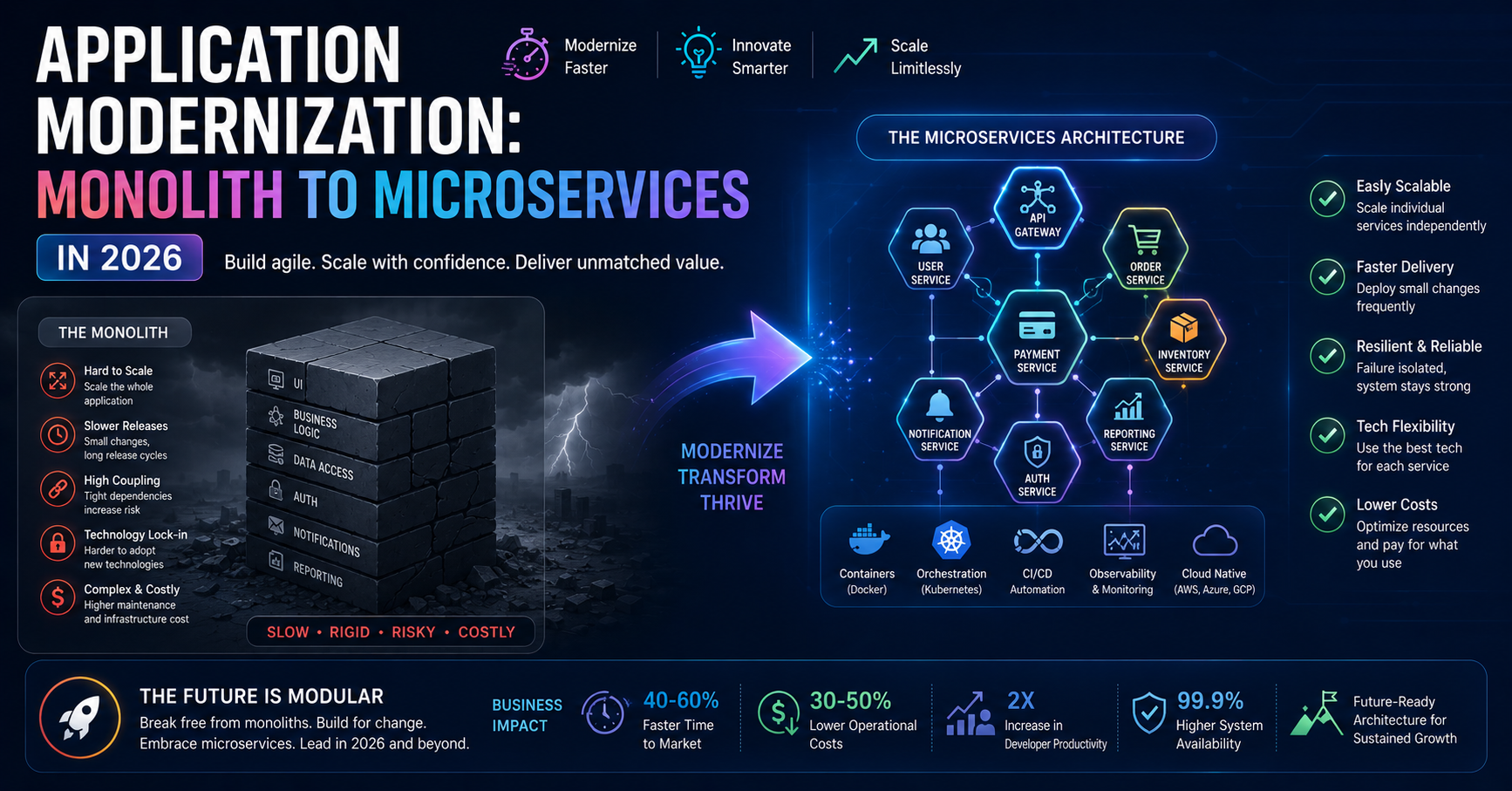
Application Modernization: Monolith to Microservices in 2026
Application modernization monolith to microservices in 2026 — strangler fig pattern, costs, ROI timelines, failures to avoid, India + global guide.
Manu Shukla